


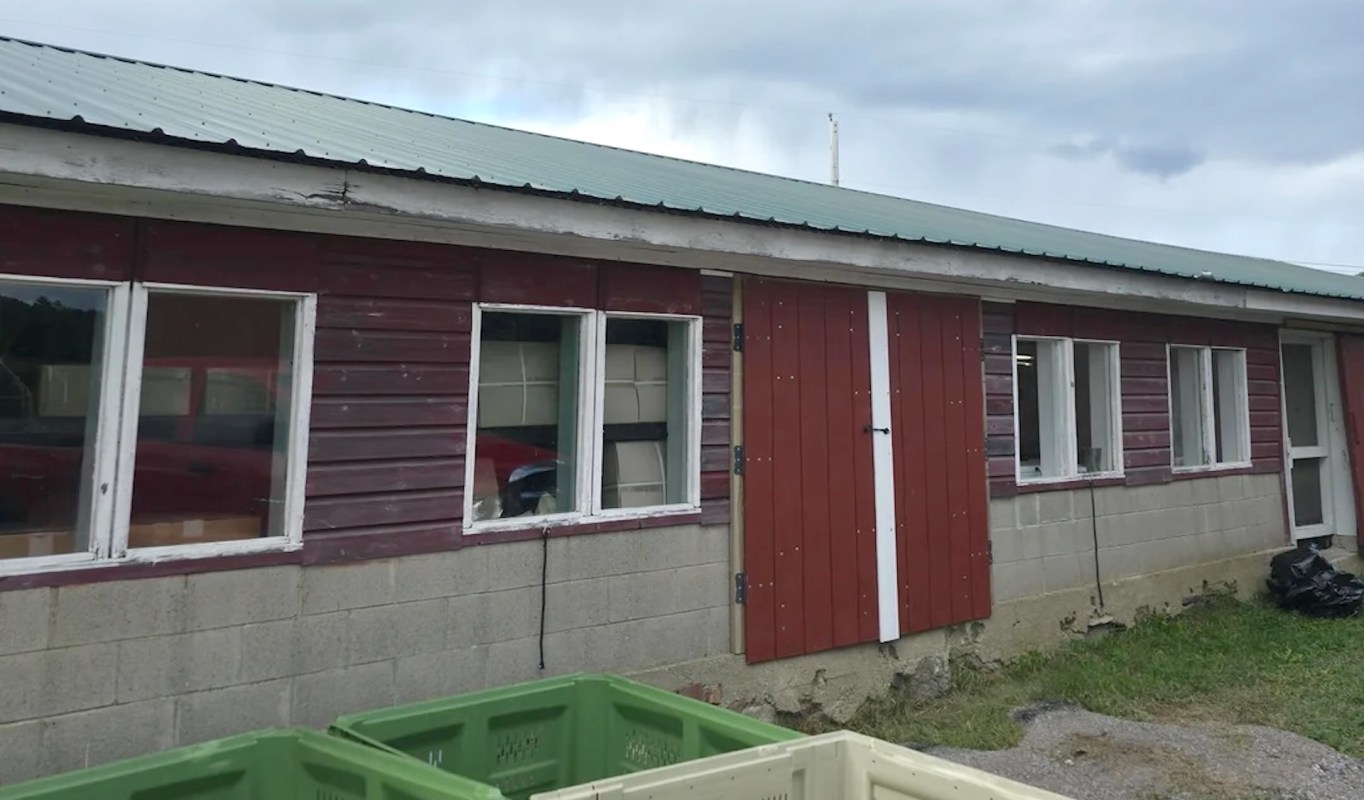
For homeowners in snowy states, one of the biggest questions surrounding rooftop solar is what happens when winter storms bury the panels?
The issue came up after one Maine resident weighing a solar project asked experienced solar owners whether winter buildup is a major problem or simply something people learn to manage.
Here's what to know
While gathering bids from solar installers, a homeowner in Midcoast Maine wrote in a post to Reddit's r/SolarEnergy community, "Looking to install [panels] on the pictured roof and the pitch is probably 22.5 degrees."
The original poster then explained that they "frequently get snow through the winter, [and] every season is different," before asking, "What are your thoughts on removal of snow? Or winters with frequent heavy storms building up on the panels?"
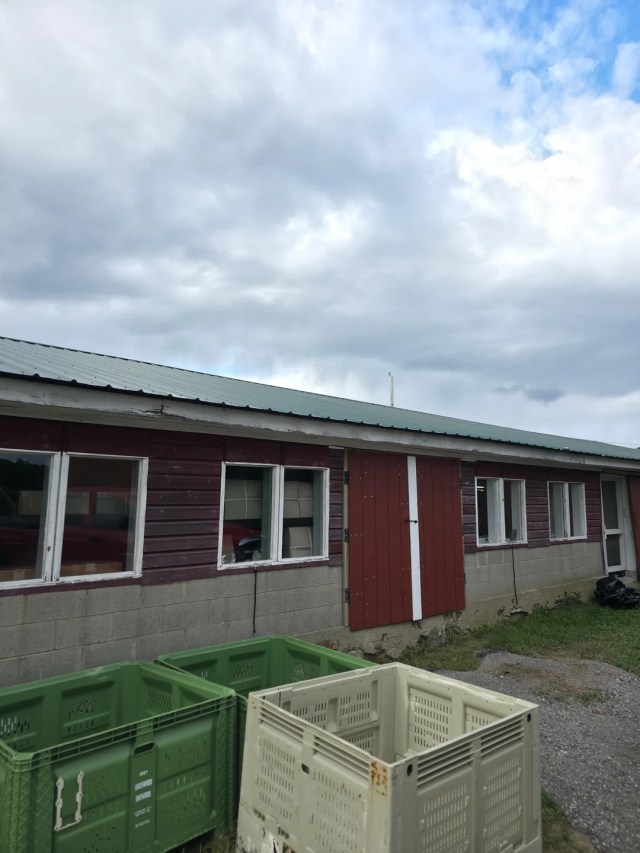
Replies indicated that snowfall does not automatically erase solar's value. One commenter from Maine also explained, "Once you get a small area of your PVs exposed, it'll all slide off quickly due to heat dissipation."
A different commenter from Massachusetts shared a similar experience, writing, "Very light snow (1/4") may stay, but anything more avalanches off panels."
More background
Snow covering panels can temporarily reduce energy output, but that does not mean a system stops making financial sense. In fact, solar panels can operate efficiently in cold weather once they are clear and receiving sunlight, even if winter days are shorter and storms periodically interrupt production.
The thread also raised several practical snow-clearing options. Commenters mentioned tools such as long-handled plastic rakes and telescoping poles, and homeowners in snowy regions recommended asking installers before signing how often snow is likely to shed on its own, whether manual removal is recommended, and which roof sections tend to perform best in winter. The general consensus was that fresh snow is far easier to remove than packed ice.
Save $10,000 on solar panels without even sharing your phone number Want to go solar but not sure who to trust? EnergySage has your back with free and transparent quotes from fully vetted providers that can help you save as much as $10k on installation. To get started, just answer a few questions about your home — no phone number required. Within a day or two, EnergySage will email you the best local options for your needs, and their expert advisers can help you compare quotes and pick a winner. |

For homeowners actively exploring installation, consider using EnergySage and its free tools to get solar installation estimates and compare quotes. Some save up to $10,000 on solar panel arrays.
Plus, EnergySage's solar map shows the average cost of a home solar panel system by state, along with details on solar panel incentives for each state. Together, those resources can help readers get the best price for rooftop solar panels and access available incentives.
Where can I learn more?
These articles look at the same winter and cost concerns that came up in Maine, from panel designs built for snow to battery setups and local installation hurdles. They offer a clearer sense of the tradeoffs that can shape whether rooftop solar pencils out.
• Engineers are testing snow-free solar panels that keep generating through winter and cut losses.
More From EnergySage
💡Go deep on the latest news and trends shaping the residential solar landscape

• In Maine, one homeowner used full-home solar and batteries and even shared extra credits.
• In the Mid-Atlantic, a homeowner found that a narrow roof and rules can complicate going solar.
If you're deciding whether solar makes sense in a snowy climate, these examples can help you sort out which issues you can manage with the right equipment, system design, or battery backup.

Get TCD's free newsletters for easy tips, smart advice, and a chance to earn $5,000 toward home upgrades. To see more stories like this one, change your Google preferences here.






