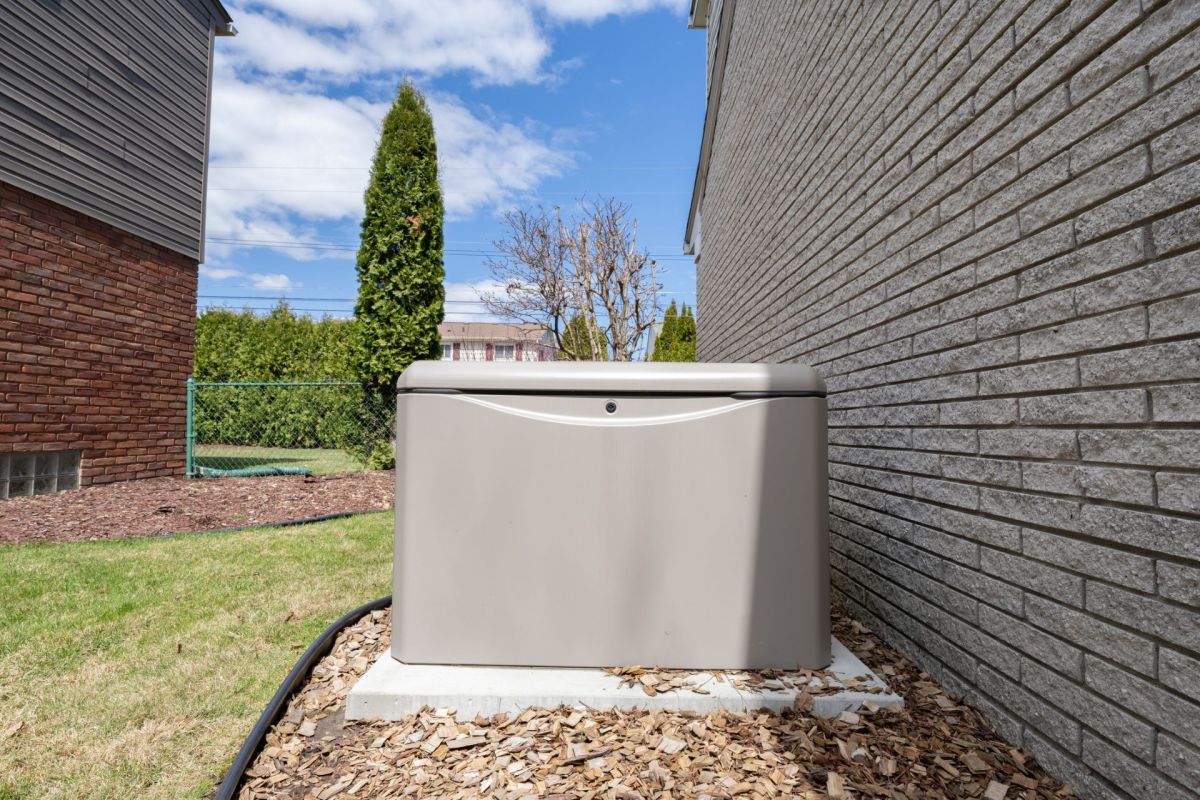
Even though it's the thick of summer, winter is on the mind of one recent homebuyer who is weighing backup power options after running into sticker shock.
After getting two similar estimates for a standby generator, the homeowner posted online to ask whether a much cheaper portable setup might make more sense.
What's happening?
In a post shared on Reddit, the homeowner said they had just purchased a new home in southern Maine and wanted "to get some kind of backup power before the snow flies."
According to the post, both bids for a Kohler 20-kilowatt standby generator landed at about $14,000. That total included labor, propane line work tied to a buried 500-gallon tank, and electrical fixes because the home's existing portable-generator hookup was "not to code."
"Firstly, that seemed high to me," the original poster wrote. "Secondly, we are debating getting a 20Kw Westinghouse portable(ish) generator and getting someone to tie into the propane and fixing the electrical."
The homeowner later added that the 3,500-square-foot house uses oil-based forced-hot-water heat and an oil-fired hot-water tank. Propane, they said, is currently used only for the cooktop, a small fireplace, and the dryer.
TCD Picks » Quince Spotlight
💡These best-sellers from Quince deliver affordable, sustainable luxury for all




Why does it matter?
In severe winters, losing electricity during a snowstorm can mean frozen pipes, spoiled food, no lighting, and limited use of household appliances, especially in a larger home.
Standby generators turn on automatically during an outage, but installation costs can climb quickly when fuel hookups and code-compliant electrical work are part of the project.
A portable generator, by contrast, may carry a much lower upfront cost, though it can also require more manual setup when the power goes out.
Even if a home already has some type of generator hookup, bringing that setup up to standard can shift the economics of the project.
What can I do?
Getting multiple quotes can help determine whether a price reflects the work the property requires.
It can also help to make a list of the loads that truly need backup power. Homes with oil heat, for example, may not need to run large electric heating systems, which could make a smaller or more targeted setup possible depending on the pumps, appliances, and circuits involved.
Asking an electrician to separate essential loads from whole-home backup needs may also open the door to less expensive options. That could include a portable generator with a transfer switch or interlock, a smaller standby unit, or upgrades completed in stages over time rather than all at once.
Code-compliant electrical work and safe fuel connections remain essential.

Get TCD's free newsletters for easy tips, smart advice, and a chance to earn $5,000 toward home upgrades. To see more stories like this one, change your Google preferences here.