


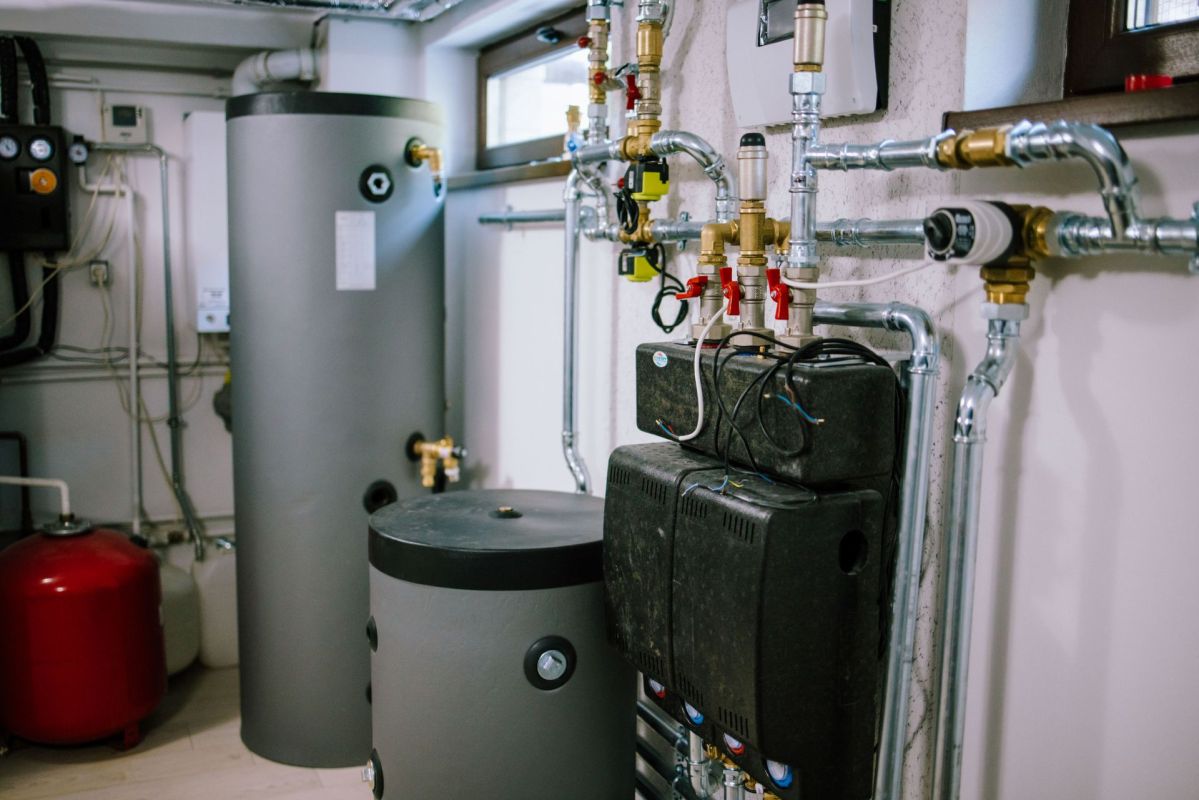
A heat pump water heater can quickly cut household utility costs, and one household saw their bills drop immediately. Not everyone has the same experience, however, so it is important to have the right setup.
Here's what to know
In a Reddit discussion on r/Maine sparked by a homeowner replacing a 2013 electric unit and considering a heat pump water heater, one person said: "We installed one a few years back and it took a third off of my electric bill instantly."
That anecdote was sparked by the prompt from a southern Maine homeowner with a 1948 house, an older electric water heater from around 2013, and a basement with earlier mildew issues.
"I'm thinking of trying to convince my partner to install (invest?) in one (I'm willing to buy it)," the original poster wrote.
Positive replies included people who liked the effect these systems can have on a basement. One commenter said a 50-gallon Rheem unit installed "just over a year ago" "works great, uses hardly any energy and has the bonus of helping to dehumidify the basement."
Another offered an even shorter endorsement: "Heat pump water heaters double as dehumidifiers. We love ours."
Larger households also left positive reviews. One commenter said their unit had been "solid" for about three years for a "family of 4 with fairly heavy hot water use" and added that it had also kept up with five people at home.
More background
The biggest point of disagreement was placement. Heat pump water heaters pull warmth from the surrounding air, which also cools that air.
Crushed by your bills? See instant solar savings from vetted installers in just a few clicks With energy prices through the roof, there's never been a better time to go solar — and EasyHome can help you find the best prices from the best installers in your area. EasyHome takes the guesswork and headaches out of energy upgrades by showing you estimated savings from a network of vetted local partners. To get started, just enter your ZIP and share a few details about your home — seeing your estimate is really that easy. |

In some basements, that can be a major benefit. One commenter who had outdoor water issues before installation said: "Fixed what we could outside and had a hot water heat pump installed with new furnace. It's great. Nice and dry now."
A rare negative review came from a home where the heater was sitting in a tight utility space. The owner said the room was "very small" and "didn't have good airflow" and that the unit "caused all of the plumbing in the room to condensate all summer, causing mold issues."
Some commenters argued that the installation setup was the real issue. One called it a "poor use case and a mistaken purchase."
What can be done?
Efficiency Maine's heat pump water heater program offers a state rebate.
One commenter described it as "a damn good one too" and asserted "that'll bring the price down to very little."
The discussion repeatedly pointed back to the room around the heater, especially its size, airflow, and how damp it already is. The commenter touting the rebate suggested the unit dehumidifies only "a little," adding, "you still want to run that dehumidifier for sure."
For shoppers comparing options, Cala is one company focused on smart heat pump water heaters. Cala's customizable smart heat pump water heaters can help homeowners lower energy bills by heating water only when needed.
That kind of control could be especially useful in homes with uneven demand, like the commenter who appreciated being able to switch a hybrid unit into a higher-demand setting for houseguests. Smart features will not solve a too-small mechanical room, but they do add another option for households evaluating Cala models.
Where can I learn more?
For a closer look at heat pump water heaters, here is more on savings, smart features, and cold-weather performance.
• Homeowners found heat pump water heaters can pay back through lower monthly bills.
• Experts from This Old House said one water heater upgrade could save households over $800.
• A Southern California plumber calculated heat pump water heater savings at roughly $370.

Get TCD's free newsletters for easy tips, smart advice, and a chance to earn $5,000 toward home upgrades. To see more stories like this one, change your Google preferences here.






