


If a luxury kitchen package cost $9,597 in September 1997, many shoppers might assume the same setup would cost about twice as much 29 years later. However, a former appliance seller says that kind of inflation math misses what is actually happening in the appliance aisle — and that misunderstanding could cause buyers to shop the wrong way.
Here's what to know
In a YouTube video, the creator behind Yale Appliance (@YaleAppliance1) used what they said was a September 1997 invoice to make the point, arguing that appliance costs don't always move in lockstep with overall inflation.
The invoice covered what the creator called "a full luxury kitchen: Sub-Zero fridge, Thermador cooktop, Dacor oven, Bosch dishwasher, and a trash compactor. Total: $9,597."
The creator stated the central point plainly: "You would guess it all costs about twice as much today, keeping pace with 108% inflation over 29 years. It does not, and the reason changes how you should buy."
He claimed a similar kitchen today would cost around $35,000, but not every appliance has had a massive markup over the last 30 years.
More background
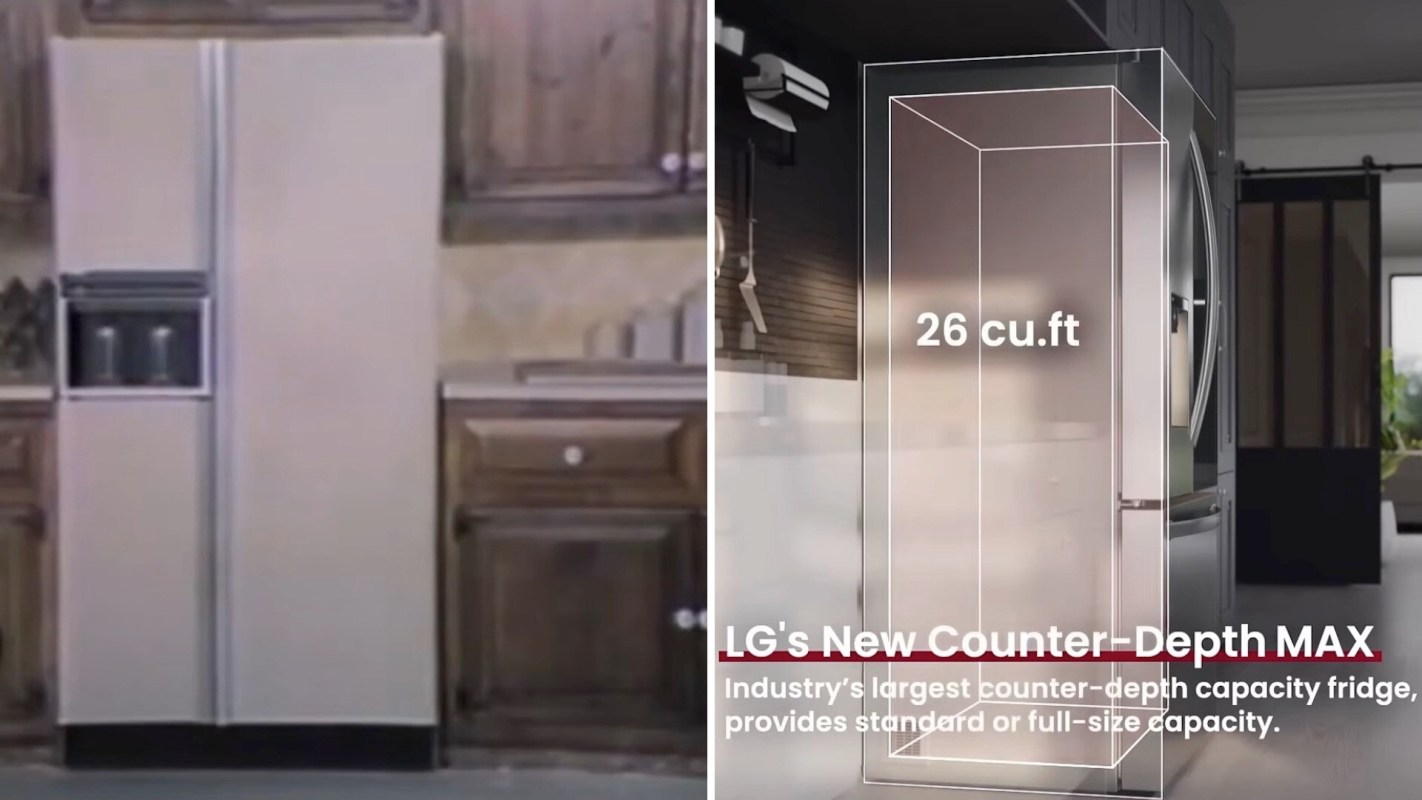
The Yale Appliance creator pointed out that appliances like dishwashers, washers and dryers, and standard refrigerators cost nearly the same as, or just slightly more than, they did in the late '90s.
TCD Picks » Quince Spotlight
💡These best-sellers from Quince deliver affordable, sustainable luxury for all




However, prices for luxury items like wall ovens and Sub-Zero units have skyrocketed. For example, premium wall ovens can run up to around $10,000, compared to almost $3,000 in 1997. The Sub-Zero refrigerator has also seen a massive jump, as the creator pointed out, from about $3,300 in '97 to around $17,000 now.
"Here is what the invoice actually teaches you," they wrote under the video. "Commodity appliances, the dishwashers, washers, and refrigerators built by the millions, are still price-competitive with 1997, so you can shop well and land a great kitchen for under $10,000. What changed is the top: niche, luxury brands are no longer semi-affordable, and the premium over a commodity package is much bigger than it was 29 years ago."
Where can I learn more?
If you're pricing out appliances or a kitchen upgrade, these stories offer more real-world context. They cover used appliance discounts and firsthand decisions about whether newer cooking technology is worth the money.
• At used appliance stores, shoppers are finding up to 75 percent off as inflation squeezes budgets.
• Homeowners replacing worn stoves are weighing whether induction cooking is worth it before spending more.
• For home chefs, switching from gas has made the best induction ranges easier to justify.
• At Goodwill, a shopper stumbled upon a valuable KitchenAid mixer for a fraction of retail.

Get TCD's free newsletters for easy tips, smart advice, and a chance to earn $5,000 toward home upgrades. To see more stories like this one, change your Google preferences here.






