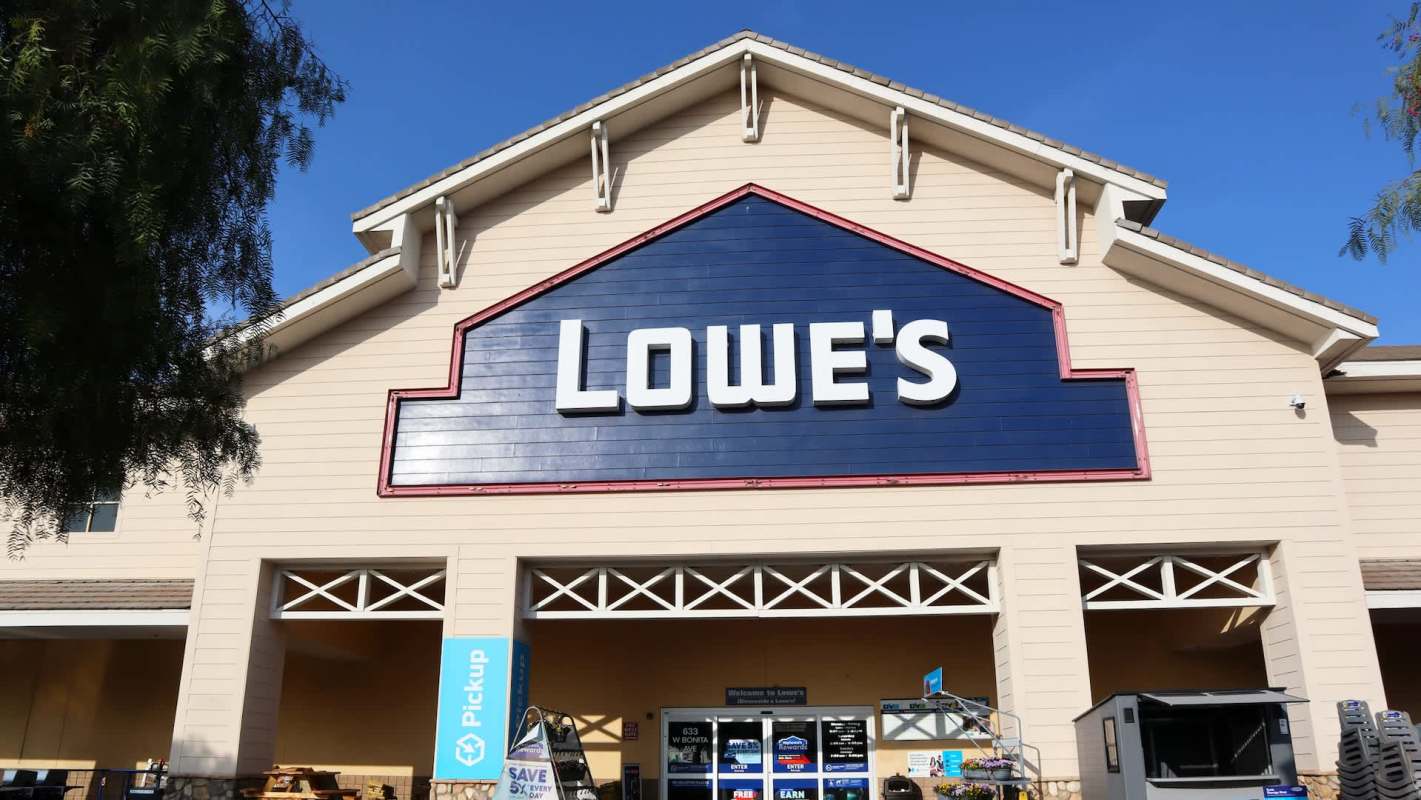
A botched home improvement project can be frustrating enough on its own. But realizing that a pricey new fridge, chainsaw, or other Lowe's appliance can only be returned within two days can create an even bigger headache.
Their lesser-known policy for certain items is one shoppers may want to keep in mind before making their next big purchase.
What's happening?
Lowe's can often retrieve a purchase record through a phone number, order number, online order history, the credit or debit card used, or a MyLowe's Rewards account. For many new, unused items — including hand tools, home decor, storage items, flooring, lighting, and hardware — the usual return period is 90 days.
Some might be unaware that the 90-day policy has exceptions, though. As ConsumerAffairs reported, buyers have only 48 hours to return major appliances, including refrigerators, freezers, dishwashers, ranges, washers, and dryers.
That two-day deadline applies to more than just appliances. ConsumerAffairs said it also applies to utility vehicles, tile saws, portable air conditioners, paint sprayers, pressure washers, chainsaws, and portable generators.
Other items fall between those extremes. ConsumerAffairs reported that annual plants, custom blinds, HVAC products, most outdoor power equipment, water heaters, liquid paint, and TVs and other consumer electronics generally come with a 30-day return period.
TCD Picks » Quince Spotlight
💡These best-sellers from Quince deliver affordable, sustainable luxury for all




Why does it matter?
There's a huge difference between 48 hours and 90 days when it comes to return times — and one misunderstanding can leave someone stuck with an expensive wrong purchase. In addition, big-ticket products are often delivered and then stored or kept boxed until installation, which can use up much of the return period before the buyer even has a chance to test them out.
An appliance may show dents, other damage, or installation issues that are not obvious at first glance. Once the two-day window has passed, the buyer may have to pursue a manufacturer warranty claim instead of handling the problem as a store return.
Home improvement projects often deal with buying extra materials or changing plans halfway through, so understanding the policy can help people avoid waste, keep usable products in circulation, and protect their budgets.
Lowe's and Home Depot are similar in many ways, but their return exceptions are not always the same.
What can I do?
For appliances and other short-window purchases, it can help to arrange delivery for a time when you can examine the item immediately. If you spot visible damage, refuse the delivery instead of accepting it and risking the deadline.
ConsumerAffairs also advised sticking with the same payment method so staff can more easily look up the purchase later, taking photos of receipts before they fade, and keeping the original packaging until the item has been installed or tested. They also point out that the MyLowe's app doesn't only have typical rewards — it also stores electronic receipts in case a person loses one.
Another way to protect the return window is to buy closer to installation day, rather than letting the product sit unopened in a garage or spare room. And if the store deadline has already passed, the manufacturer's warranty may still provide another option.
Garden shoppers should also know that trees, shrubs, and perennials can have longer coverage than annuals. ConsumerAffairs also noted that Lowe's customers can ask for a price adjustment when an eligible competitor is advertising the same product for less. And you might get some extra bang for your buck if you try out reselling a product you don't want on platforms like Facebook Marketplace rather than returning it to the store.
Kyle James, a writer for ConsumerAffairs, described some purchases as having a "paltry 48-hour return window." He also offered this money-saving tip: "Skip the return and ask for a price match instead."

Get TCD's free newsletters for easy tips, smart advice, and a chance to earn $5,000 toward home upgrades. To see more stories like this one, change your Google preferences here.