


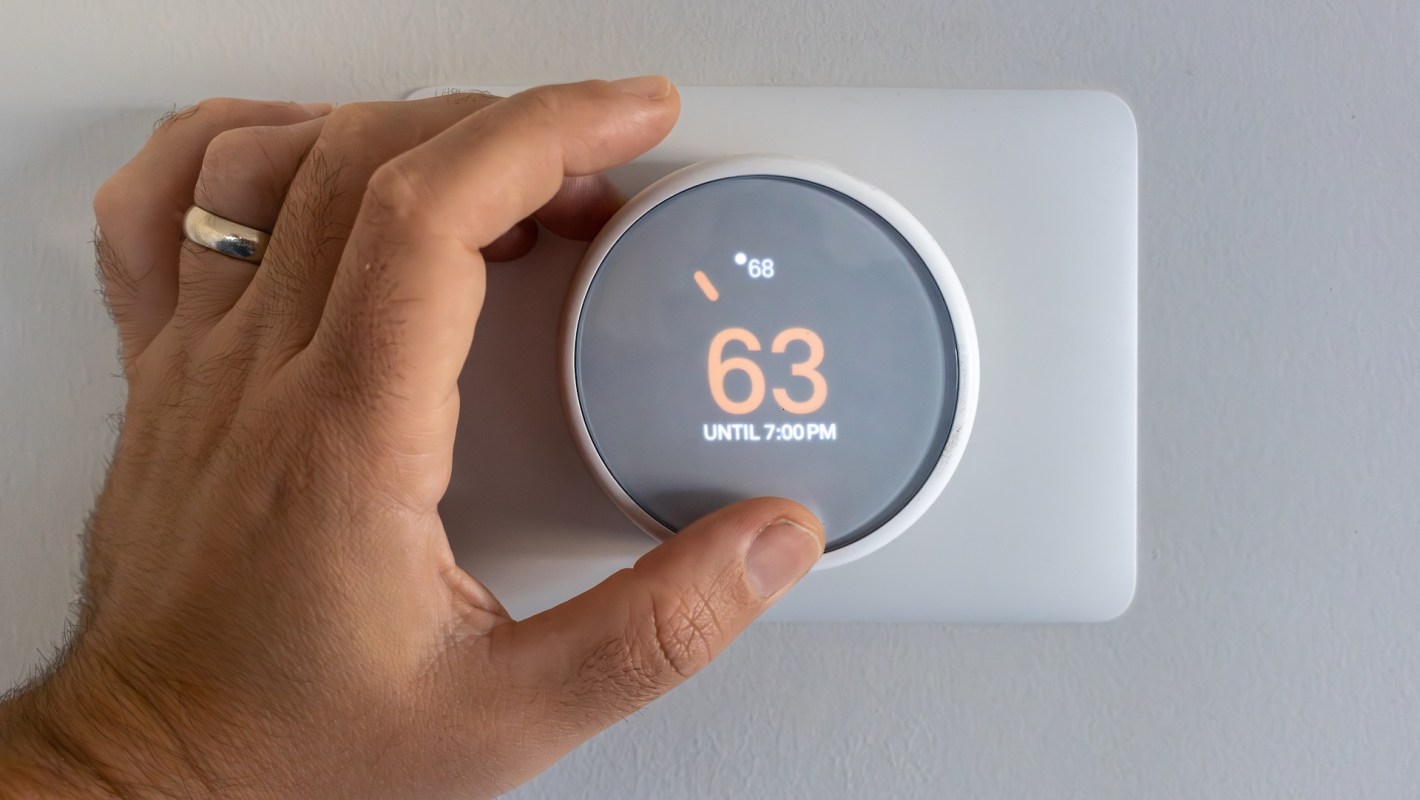
Air conditioning is a fact of life during a South Florida summer, but the monthly bill that comes with it can be painful. With cooling costs consuming a large share of a home's energy use, even a handful of small fixes can make a noticeable difference.
What's happening?
With summer underway and South Florida facing another bout of heat, homeowners are looking for ways to stay comfortable without watching their electric bills spike, the Palm Beach Post reported. One way to help is by reducing the amount of work your AC has to do.
According to Triple Crown Homes, cooling can account for up to 60% of a resident's annual energy costs.
Because air conditioners can run for hours at a time in extreme heat, modest efficiency changes can have a real impact. Closing blinds during the hottest part of the day, changing air filters, sealing drafts, using ceiling fans, and adjusting the thermostat when the house is empty can all lighten the system's load.
For households looking beyond temporary fixes, heat pumps are significantly more energy-efficient than traditional HVAC systems and provide both heating and cooling in a single system. That can translate into lower long-term utility bills, and many homeowners may also qualify for tax credits and rebates, making the upfront cost easier to manage through tools such as EnergySage's Heat Pump Marketplace.
For people who do not need a whole-home replacement, Merino offers single-room HVAC systems. It is a targeted heating and cooling option.
Why does it matter?
In South Florida, much of the summer jump in electricity use is due to cooling homes. When direct sunlight, dirty filters, leaky windows, or poor insulation make the AC work harder, it takes more energy to deliver the same level of comfort.
Summer cooling costs put pressure on household budgets, especially for families already dealing with rising insurance, housing, and grocery costs. A few low-cost adjustments may not erase a bill, but they can help prevent waste and reduce how often the thermostat kicks the system on.
Save $10,000 on solar panels without even sharing your phone number Want to go solar but not sure who to trust? EnergySage has your back with free and transparent quotes from fully vetted providers in your area. To get started, just answer a few questions about your home — no phone number required. Within a day or two, EnergySage will email you the best options for your needs, and their expert advisers can help you compare quotes and pick a winner. Solar panels can save you more than $50k over their 25-year lifespan, and EnergySage can help you save as much as $10k on installation. Which begs the question — isn't that worth an email or two? |

During stretches of dangerous heat, cooler indoor spaces can protect kids, older adults, and anyone with medical conditions that make them more vulnerable to overheating.
What can I do?
An easy move is to shift heat-producing chores. Running the oven, dryer, or dishwasher during cooler evening hours can reduce the extra heat your AC has to remove from the house.
If one room is consistently hotter than the rest, targeted cooling can make more sense than overcooling the entire home. That is where a single-room system can help, especially for renters, home offices, or additions that never seem to stay comfortable.
For homeowners ready to go further, EnergySage also offers a free solar quotes comparison tool for people interested in slashing their energy bills with solar.
A Florida summer does not leave much room to skip cooling, but it does leave room to cool smarter. Cleaner filters, tighter seals, better shade, and more efficient equipment can all help keep a home comfortable without letting the bill spiral.

Get TCD's free newsletters for easy tips, smart advice, and a chance to earn $5,000 toward home upgrades. To see more stories like this one, change your Google preferences here.






