


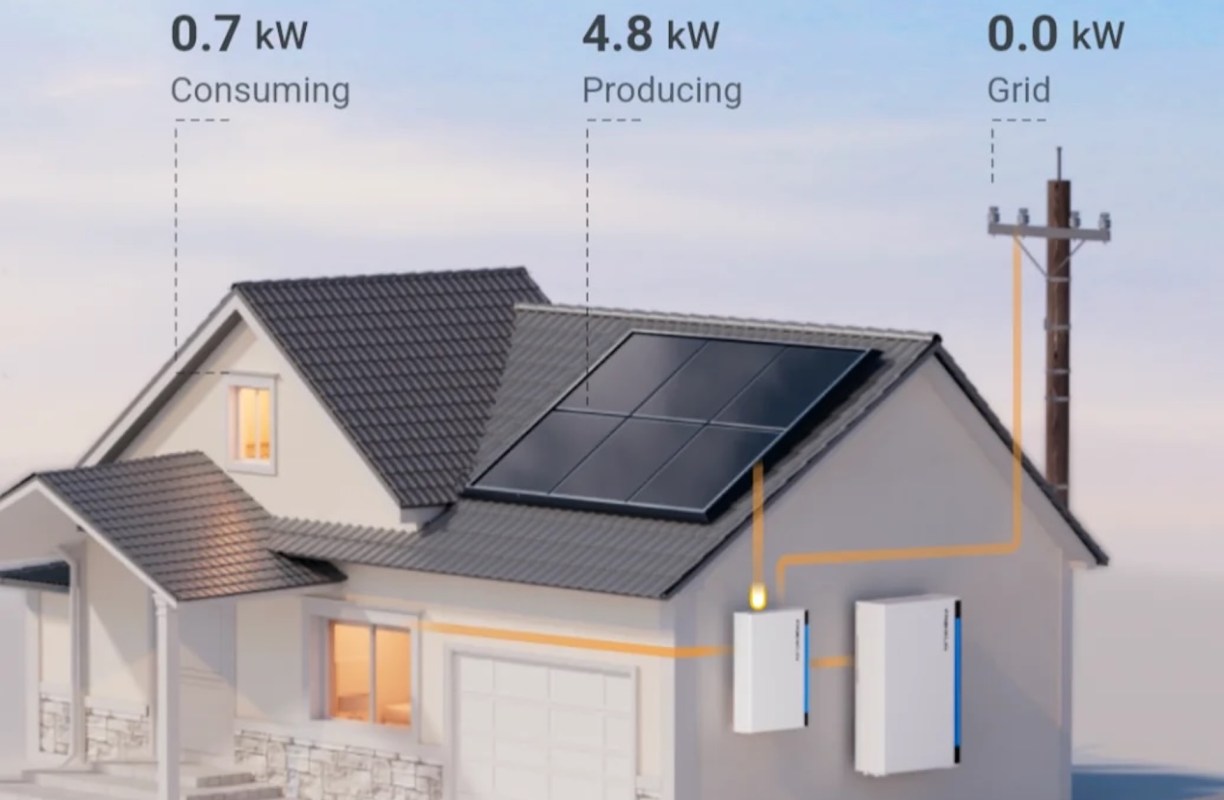
A new in-app offer gave a home battery owner in Louisiana a look at a growing energy trend in which utilities pay residents to share stored power when the grid is under strain.
Here's what to know
A FranklinWH customer wrote on Reddit that they were shown a new in-app promotion offering cash rewards tied to a utility's use of their battery during high-demand periods.
"If I tap through the link, it brings me to an enrollment page, which touts how much money I could theoretically earn, but without much information about what I need to do or how the program works," they said.
Trying to get a clearer picture only raised more questions. The signup page focused on how much money participants might make, while giving little detail about what enrollment would actually involve. They added that the terms and conditions were only slightly more helpful and that a linked Greater Grid page for Entergy Louisiana led to a 404 error.
More background
Programs like the one described in the post are often part of a virtual power plant model, in which large numbers of home batteries are coordinated to ease grid strain during times of high demand. When these programs work well, utilities can avoid some costly emergency measures, while customers can earn money from equipment they already have installed.
Battery storage is one of the most effective ways to protect a home during outages, particularly when storms or grid disruptions interrupt service. It can also help households lower energy costs by storing power for later use and, in some cases, support a more off-grid lifestyle.
The battery itself is only one part of the equation. Program rules, compensation structures, export permissions, and utility billing treatment can all shape whether an offer that looks appealing on paper is actually worth it.
For anyone comparing home storage options, the math depends on several factors, including the manufacturer, the upfront installation price, and how much energy the system can hold. A battery that already proves useful during outages may look even better if it also brings in ongoing utility-program payments.
Save $10,000 on solar panels without even sharing your phone number Want to go solar but not sure who to trust? EnergySage has your back with free and transparent quotes from fully vetted providers in your area. To get started, just answer a few questions about your home — no phone number required. Within a day or two, EnergySage will email you the best options for your needs, and their expert advisers can help you compare quotes and pick a winner. Solar panels can save you more than $50k over their 25-year lifespan, and EnergySage can help you save as much as $10k on installation. Which begs the question — isn't that worth an email or two? |

What can be done?
Full terms in plain language can clarify how often the battery may be called upon, whether a minimum reserve level will be maintained for backup protection, and how any credits will appear on the utility bill.
Manufacturers, utilities, and program operators can help by making enrollment pages easier to understand and ensuring support links stay active. Clear examples of expected earnings, battery usage, and customer protections could go a long way toward building trust.
For homeowners still weighing whether battery storage is worth the investment, EnergySage is a great resource to compare prices and access incentives. Those who want backup power but are not ready for a whole-home system can also look into alternatives such as Pila.

Get TCD's free newsletters for easy tips, smart advice, and a chance to earn $5,000 toward home upgrades. To see more stories like this one, change your Google preferences here.






