


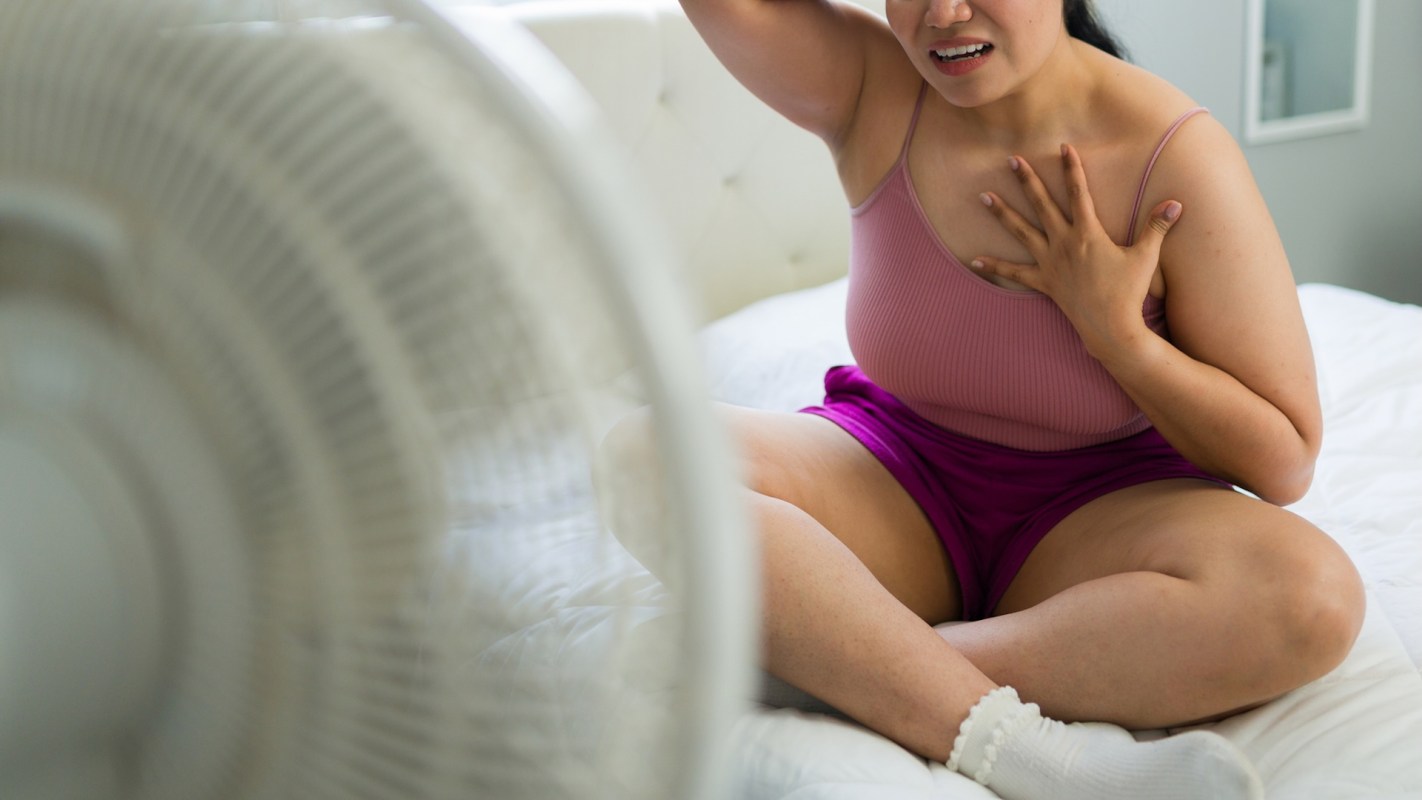
For many renters in Los Angeles, summer heat is more than an inconvenience; it can make homes unsafe to exist in.
That reality has fueled a growing push from housing advocates who want cooling to be treated the same way cities treat heat, water, and sanitation — as a basic habitability issue.
Here's what to know
When indoor temperatures climb, renters without air conditioning can end up paying with their health.
In South Los Angeles, tenants are organizing around what they describe as a "right to cooling," arguing that landlords should be required to provide housing that maintains safe indoor temperatures, Dissent Magazine reported.
The magazine's Chelsea Kirk joined a meeting of renters organizing to gain this right to cooling. People at the meeting said they managed the heat however they could, from taking multiple cold showers and sleeping with wet towels to covering windows with aluminum foil or going to public indoor spaces for relief.
Most attendees earned less than $15,000 a year, making some of these measures expensive. And for many renters with asthma, the demand for a right to cooling stems in part from extreme heat's ability to make breathing harder.
TCD Picks » Quince Spotlight
💡These best-sellers from Quince deliver affordable, sustainable luxury for all




The group's advocacy recently helped produce a Los Angeles County ordinance for unincorporated areas that sets an 82-degree indoor temperature standard.
The policy is set to start in January 2027, and tenants are now seeking similar safeguards in the city of Los Angeles, where about 2.5 million renters live.
More background
Part of the urgency is that dangerous indoor heat can be fatal. According to Dissent, roughly half of heat-related deaths occurred inside the home, and research found that having a working air conditioner lowered the risk of death by about 80%.
That matters acutely in South Los Angeles, where sparse tree cover and expanses of asphalt intensify heat. Some parts of the neighborhood have only 5% to 7% tree canopy cover, compared with a citywide average of roughly 21%, per Dissent.
The area also contends with severe air pollution, as well as elevated rates of asthma, stroke, diabetes, and other chronic illnesses.
Among the strongest defenses against extreme heat is air conditioning. Measures like shade and reflective roofs can help, but A/C and efficient heat pumps can bring indoor temperatures down by dozens of degrees below the outside air.
The county measure represents a change in how cooling is viewed, less as a personal amenity and more as a basic housing requirement.
In places covered by the ordinance, landlords will have to outfit properties so units can remain at or below 82 degrees. Renters will also have the right to use their own portable cooling devices.
That could be especially important in older rental housing, where residents often have little control over building upgrades but still bear the health risks and high costs of trying to stay cool. It also gives tenants a clearer basis for pushing back when unsafe indoor heat is dismissed as a personal problem rather than a housing issue.
Cooling can be lifesaving, and greater dependence on it reflects our warming climate.

Get TCD's free newsletters for easy tips, smart advice, and a chance to earn $5,000 toward home upgrades. To see more stories like this one, change your Google preferences here.






