


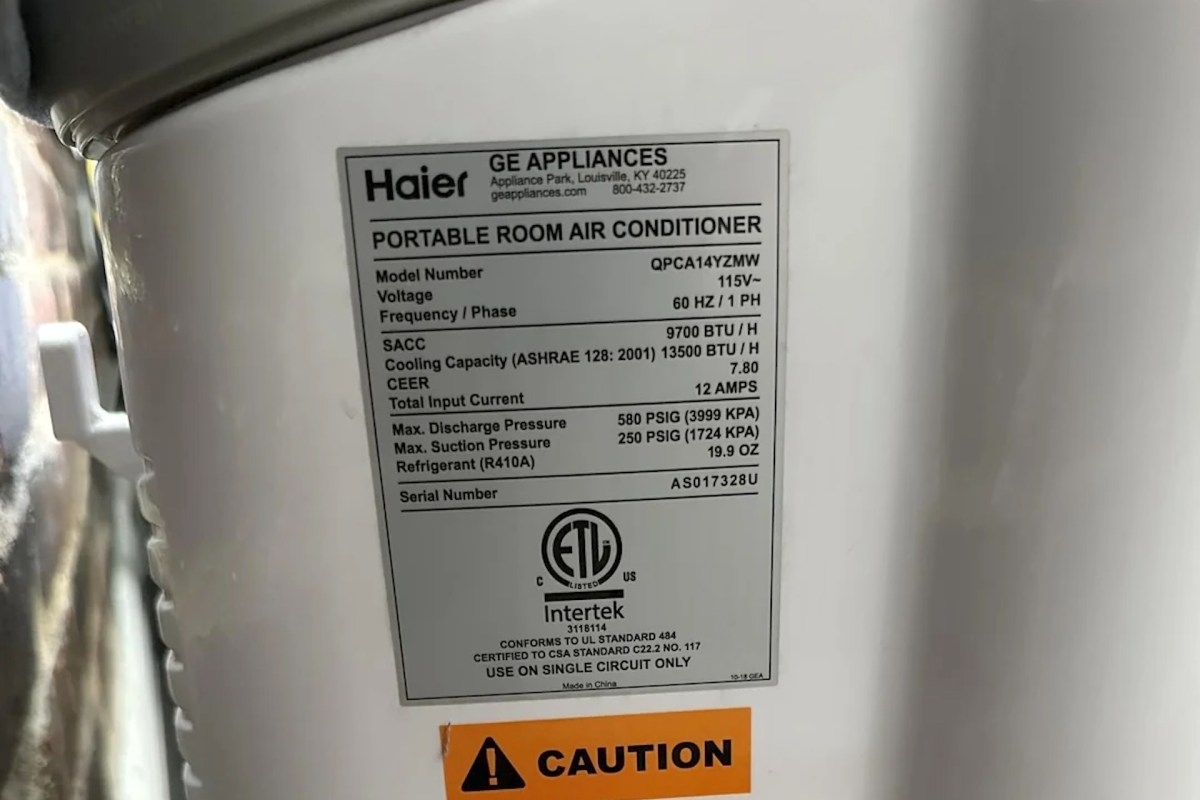
In Los Angeles, a renter had been relying on a portable AC plugged into a surge-protector strip to make a hot studio apartment bearable.
The strip began tripping within minutes, and the renter was warned that the setup itself may have been a fire risk.
Here's what to know
"My apartment is on the top floor and is basically uninhabitable without [the portable A/C]. Help!" the renter wrote in a post on Reddit. They said a portable air conditioner that had worked for roughly two years had suddenly started shutting off the surge-protector strip after about five minutes, and that one outlet on the old strip had become "melted/burnt."
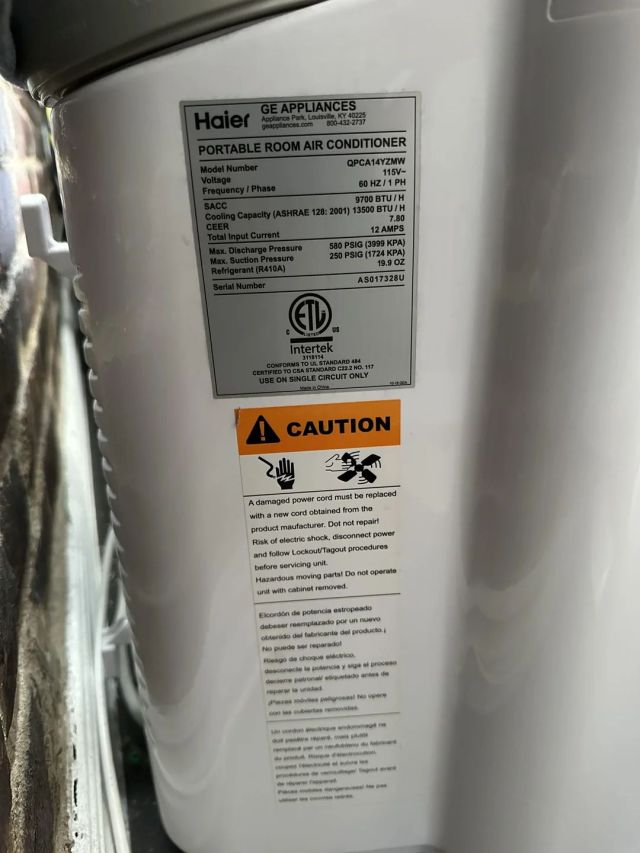
"Because of how my studio apartment is arranged, I have to plug it into a surge protector extension cord (I only have 4 outlets and the wall with windows is brick)," the original poster explained. "Very early on into having it, I tripped my old surge protector for running the AC + a bunch of other smaller things (TV, PS4, WiFi) during a hot day, but was able to replace surge protector and hadn't had a problem since."
Reddit users argued in the comments that portable air conditioners draw too much sustained power for typical surge protectors.
One person suggested the unit's "compressor is probably drawing more amps as it ages, especially in high humidity when it's working harder to condense." They explained that the melted power outlet "means you've got heat building up in that circuit somewhere, probably loose connections in the wall or the surge protector itself was arcing."
If you own your home and are dealing with costly, unreliable cooling, Palmetto's Comfort Plan network can help you find efficient heating and cooling solutions and connect you with vetted installers.
What can be done?
Because the renter had already had room outlets go dead and require maintenance, some commenters thought the problem might extend beyond the power strip. In their view, either the strip or the apartment's wiring could be the weak link, with the prior outlet issues raising particular concern about the wiring itself.
Save $10,000 on solar panels without even sharing your phone number Want to go solar but not sure who to trust? EnergySage has your back with free and transparent quotes from fully vetted providers in your area. To get started, just answer a few questions about your home — no phone number required. Within a day or two, EnergySage will email you the best options for your needs, and their expert advisers can help you compare quotes and pick a winner. Solar panels can save you more than $50k over their 25-year lifespan, and EnergySage can help you save as much as $10k on installation. Which begs the question — isn't that worth an email or two? |

The same commenter added, "Surge protectors aren't made for continuous high amp loads like a 12k BTU unit. They're for spikes. You need a heavy duty appliance cord rated for 15A, not a power strip."
"I'd push your landlord to check the actual wiring before you burn the place down," they urged. "Portable units pull a lot of juice and old apartment circuits weren't meant for them."
Rather than keep repeating the same test of purchasing a new surge protector, commenters on Reddit said the AC should be plugged directly into a wall outlet, not run through a surge protector.
Where can I learn more?
Renters dealing with cooling problems often run into the same issues: unreliable building systems and the steep cost of getting through hot weather. They also show how landlord decisions, hidden power use, and everyday energy waste can turn an AC headache into a bigger housing problem.
• A renter said a landlord's smart home tech left the family with sky-high bills.
• In Michigan, a renter faced high electric bills even though the unit had no AC.
• In Vancouver, a tenant found a landlord using their home's power and raising the bill.
• Utility experts warned air conditioners work twice as hard when daily habits trap heat indoors.
For anyone relying on portable cooling, comfort, electricity use, and the building's condition go hand in hand. Burnt outlets or unexplained jumps in the bill are signs to take seriously and quickly.

Get TCD's free newsletters for easy tips, smart advice, and a chance to earn $5,000 toward home upgrades. To see more stories like this one, change your Google preferences here.






