


Power outage preparation often centers on flashlights, bottled water, and backup batteries. But one Redditor in South Africa who lived through months of load-shedding said one of the most valuable habits is much simpler.
In a discussion on the r/Preppers subreddit, the original poster explained that long stretches of load-shedding taught them to treat laundry, dishes, charging devices, and basic medical supplies as part of emergency planning, not something separate from it.
Here's what to know
In the thread, the poster described a monthslong pattern of load-shedding that cycled between roughly four hours with electricity and another four to six without it outside the U.S. Living through that routine reshaped how they handle day-to-day tasks.
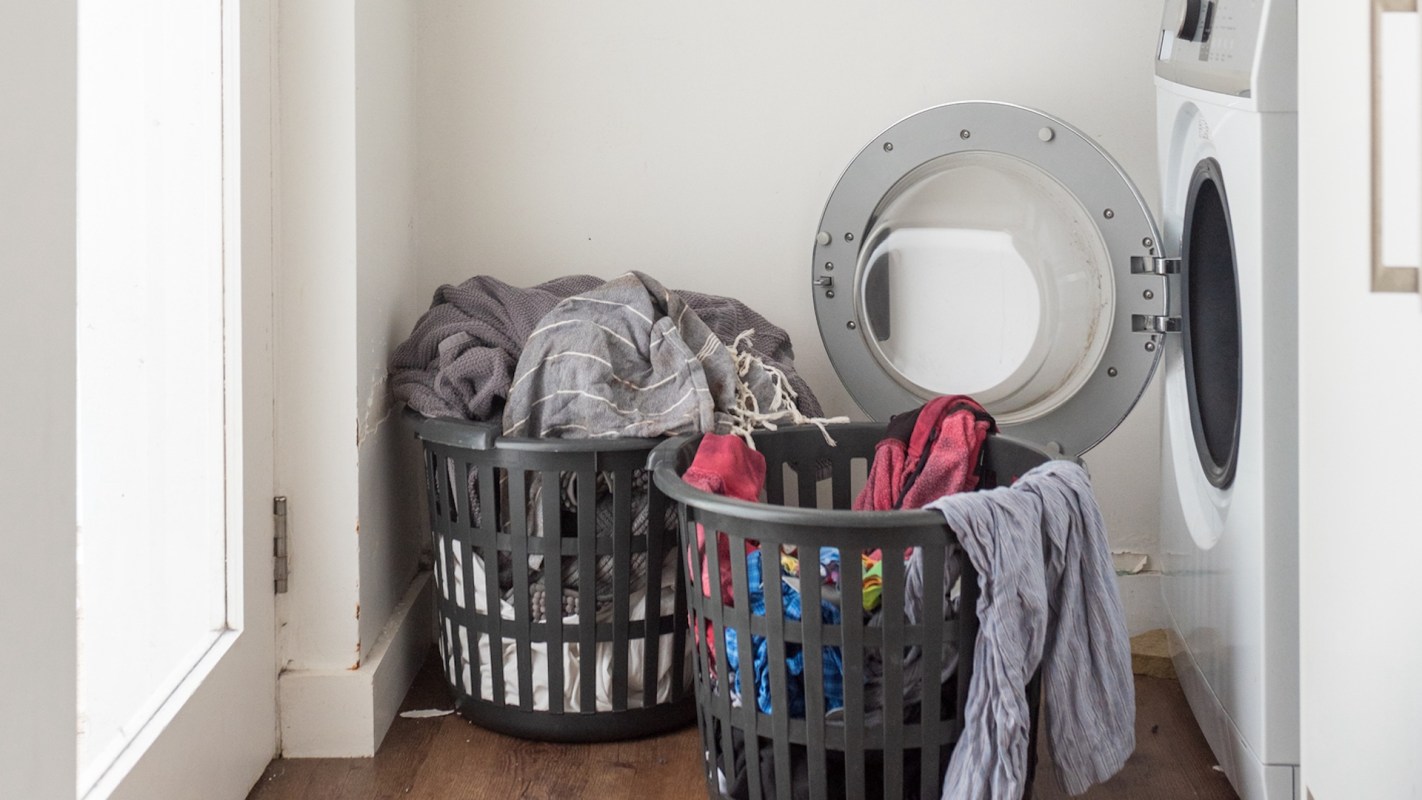
"You will never catch me with four days' worth of laundry waiting to be done or a dirty kitchen," the OP wrote. "As soon as I have enough dishes or clothes to justify a load, I do it."
A minor health issue also changed the poster's approach to preparedness. They said it exposed gaps in their supplies, so they keep pain relief, burn dressings, bandages, ointments, and other over-the-counter essentials on hand, along with a basic medical kit for both people and pets.
They also make a point of keeping phones and power banks charged and ice blocks stocked in the freezer.
TCD Picks » Quince Spotlight
💡These best-sellers from Quince deliver affordable, sustainable luxury for all




More background
One commenter shared a proverb: "What you can accomplish today, don't delay until tomorrow."
Another commenter in the United Kingdom wrote that "the Government is telling everyone to keep three days' worth of food and drink in their homes at all times, yet people are acting like it's some crazy idea."
A poster from the Midwest and another in "Earthquake Country" said that the mindset wasn't foreign to the U.S.
"It's common for people to have a big fridge and a big pantry, only buying food once a week, so we almost always have food for 5-7 days on hand," one wrote. "I know it's different in a lot of places, but it's weird to me that people don't like to feel prepared in case of emergencies."
That was a common sentiment in the thread, where people referenced COVID-19 as something that had been quickly forgotten.
What can be done?
Keep a few outage-specific supplies ready, such as ice packs, food, drinking water, cash, and a simple first-aid and medication kit. Pet owners may also want backup supplies for their animals.
Several commenters added their own practical rules, including never letting a vehicle's fuel level get too low and always keeping a few easy meals on hand.
The same commenter who offered the proverb explained why the philosophy might fall on deaf ears.
"Seems though that you have to have the personal experience and exposure to events to truly appreciate the depth of such old wisdom and take them seriously," they wrote.
Where can I learn more?
When an outage hits, powering key appliances and maintaining food safety are among the biggest priorities for homeowners.
• Preppers say tips to keep fridge cool can stretch food safety through long outages.
• After repeated outages, one parent weighed which generator can power fridges, ACs, and heaters.
• An energy expert said the most inexpensive backup for outages may be portable solar.

Get TCD's free newsletters for easy tips, smart advice, and a chance to earn $5,000 toward home upgrades. To see more stories like this one, change your Google preferences here.






