


When a dryer stops heating, most people expect a fairly simple repair — not a full teardown.
But one Reddit user's complaint about having to dismantle their parents' gas dryer struck a nerve with hundreds of people who said difficult appliance repairs have become far too common.
Here's what to know
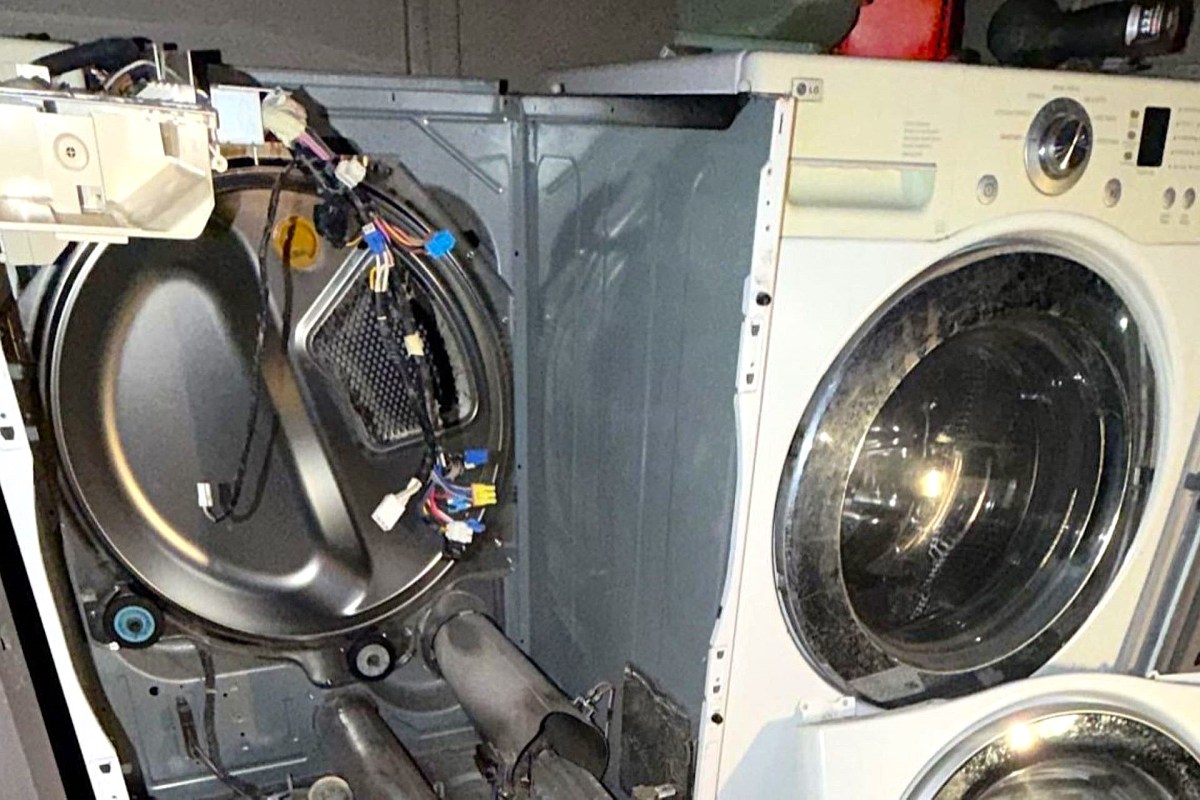
A user posted photos on Reddit of their parents' gas dryer being pulled apart after it quit blowing hot air and questioned whether that kind of design is normal.
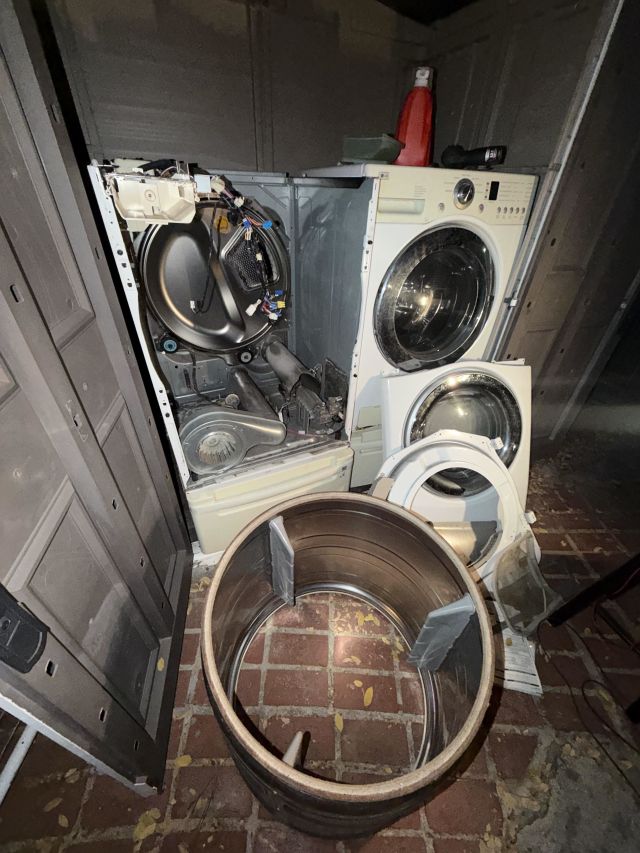
"In order to do any kind of troubleshooting you have to completely take apart the dryer," the poster wrote. "Is this typical?"
The complaint quickly drew nearly 400 replies from people comparing brands, repair experiences, and how easy it is to reach basic components once a machine breaks down. Several replies said this kind of repair job is not limited to LG machines.
"I just don't understand why they couldn't put the heating elements in the back or have a panel for accessing them from the front," the poster wrote about LG dryers. "This is one of the most common troubleshooting issues."
TCD Picks » Quince Spotlight
💡These best-sellers from Quince deliver affordable, sustainable luxury for all




More background
When common fixes become time-consuming, risky, or expensive, households are more likely to replace machines instead of repairing them — even when the failed part is relatively minor.
That can cost buyers twice: first in repair bills and then in the price of a replacement when the repair fails. It also leads to strain on the environment, since scrapping whole appliances means unnecessary garbage, extra manufacturing waste, and pollution from shipping.
What can be done?
Always check repairability before buying a dryer. That can mean looking up replacement-part availability, reading owner forums, and seeing whether service panels or common components are reasonably easy to access.
Simpler appliances can also help. Several commenters contrasted long-lasting older machines with newer models that add more electronics and connected features, which may create additional points of failure over time.
For appliances already in the home, regular maintenance can still help extend their life. Keeping vents clear, cleaning lint buildup, and addressing small issues early may prevent some no-heat or airflow problems from worsening.
And when something does fail, it can be worth pricing out a repair before assuming replacement is the only option. Even commenters who disliked the process said some fixes were still manageable — and cheaper than buying a brand-new machine.
Where can I learn more?
A lot of the frustration in this dryer repair debate points back to a simpler question: How many of these problems can be avoided with routine upkeep before anyone has to open the machine at all? The stories below look at how airflow issues, lint buildup, and other common maintenance problems can affect a dryer's performance, safety, and lifespan.
• A repair technician demonstrated an easy overheating fix that keeps dryers running safely longer.
• A technician showed how cleaning the lint trap can help dryers last for years.
• An appliance maintenance tech said cleaning the dryer vent can cut fire risk.
• A home maintenance expert warned that basic dryer upkeep can prevent costly breakdowns.
Regular upkeep can make a real difference when a minor dryer problem has the potential to turn into a much bigger repair. Staying ahead of avoidable wear will help homeowners avoid the kind of frustrating teardown jobs described above.

Get TCD's free newsletters for easy tips, smart advice, and a chance to earn $5,000 toward home upgrades. To see more stories like this one, change your Google preferences here.






