


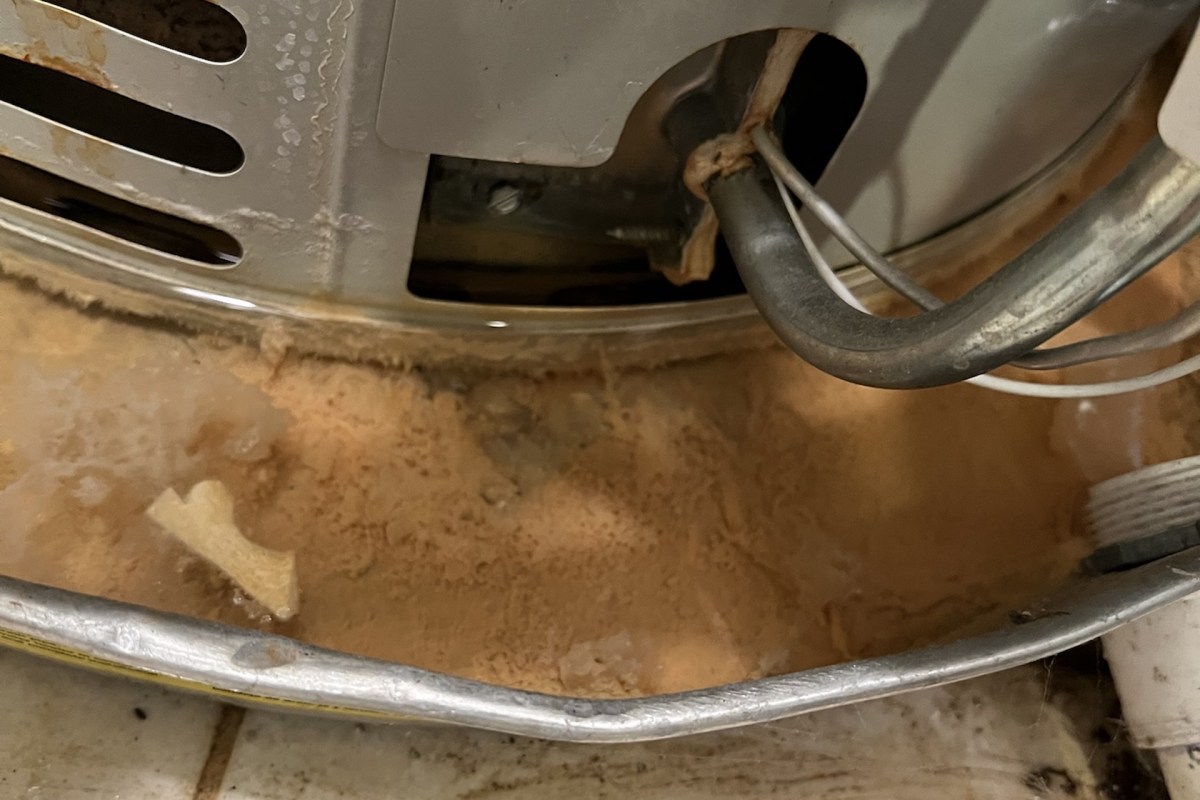
A leaking water heater can go from a nuisance to a disaster fast, especially if the drip is pooling near gas or electrical components. One homeowner's Reddit post shows why acting quickly matters when an aging tank starts to fail.
Here's what to know
After returning from a trip, a homeowner asked Reddit for help.
They said, "Just came back from a road trip and my water heater has a slight leak. Obviously this needs to be replaced ASAP, but is there guidance on what's okay to do during this stage? Can I run ANY hot water between now and replacement time? Naturally, I'm trying to keep this problem from becoming a catastrophe."
After Redditors asked for photos, the OP added a link to photos of the issue.
One user said, "That's the combustion chamber, most likely a ruptured tank. Replacement is the only option. Sorry."
If that replacement is unavoidable, it can also be an opportunity to cut utility costs by upgrading to a heat pump water heater. It can save on electricity compared with a standard electric model, depending on energy prices and hot-water use.
More background
A leak from a tank-style water heater can quickly turn from manageable to costly. What starts as a small drip may worsen while the tank remains under pressure, and a complete failure can mean significant water damage, a higher water bill, and a messy emergency cleanup.
People in the thread also noted that a leak does not always mean the whole appliance is finished. Sometimes the problem is limited to a valve, fitting, or another exposed part that can be repaired. But if the water is coming from within the tank, a full swap is often necessary because the tank lining has probably failed.
Crushed by your bills? See instant solar savings from vetted installers in just a few clicks With energy prices through the roof, there's never been a better time to go solar — and EasyHome can help you find the best prices from the best installers in your area. EasyHome takes the guesswork and headaches out of energy upgrades by showing you estimated savings from a network of vetted local partners. To get started, just enter your ZIP and share a few details about your home — seeing your estimate is really that easy. |

Another concern raised in the discussion was the drain pan setup. Users observed that it was not connected to a drain line, so any extra water would likely spill onto the floor rather than be carried away. In a condo or other multiunit building, that kind of overflow can become a much bigger problem if it spreads beyond the utility space.
What can be done?
Users suggested shutting off the cold-water feed, turning off the gas or electricity, unplugging or otherwise disconnecting the heater when possible, and attaching a hose to clear out collected water. A few also said some hot-water use might be possible in the short term, but only if the heater was watched closely and replaced soon.
A forced replacement can also be a good time to look at higher-efficiency options. Cala makes customizable smart heat pump water heaters that help homeowners decrease their energy bills by heating water exactly when it's needed. That can reduce the waste that comes from keeping a full tank hot around the clock, and it may be especially appealing when an old conventional unit fails without warning.
The company's system is designed to learn household usage patterns so hot water is available when people actually need showers, laundry, or dishes. For consumers, that means the replacement decision is not just about avoiding another leak — it can also be about lowering monthly energy costs and getting more control over a major home appliance.
In the end, the homeowner chose to shut the system down.
That approach matched one user's advice: "Bottom line is you should replace tank asap, and keep an eye on it in the meantime."
Where can I learn more?
Small leaks have a way of turning into expensive emergencies when routine maintenance gets skipped or warning signs go unnoticed. The articles below cover water-heater upkeep, quicker leak detection, and everyday plumbing habits that can help prevent the kind of failure that forced this homeowner to shut the tank down.
• Homeowners who follow critical water heater tips can keep aging tanks running longer.
• Plumbers say a money and water-saving hack has saved homeowners thousands on hidden leaks.
• One home inspector warns a simple plumbing tip can prevent costly surprise repairs.
• A realtor said a simple toilet leak test can stop water waste from climbing.
A few simple plumbing checks can go a long way toward preventing bigger damage. If you're dealing with a leaking water heater, these tips offer practical ways to reduce the chances of another emergency.

Get TCD's free newsletters for easy tips, smart advice, and a chance to earn $5,000 toward home upgrades. To see more stories like this one, change your Google preferences here.






