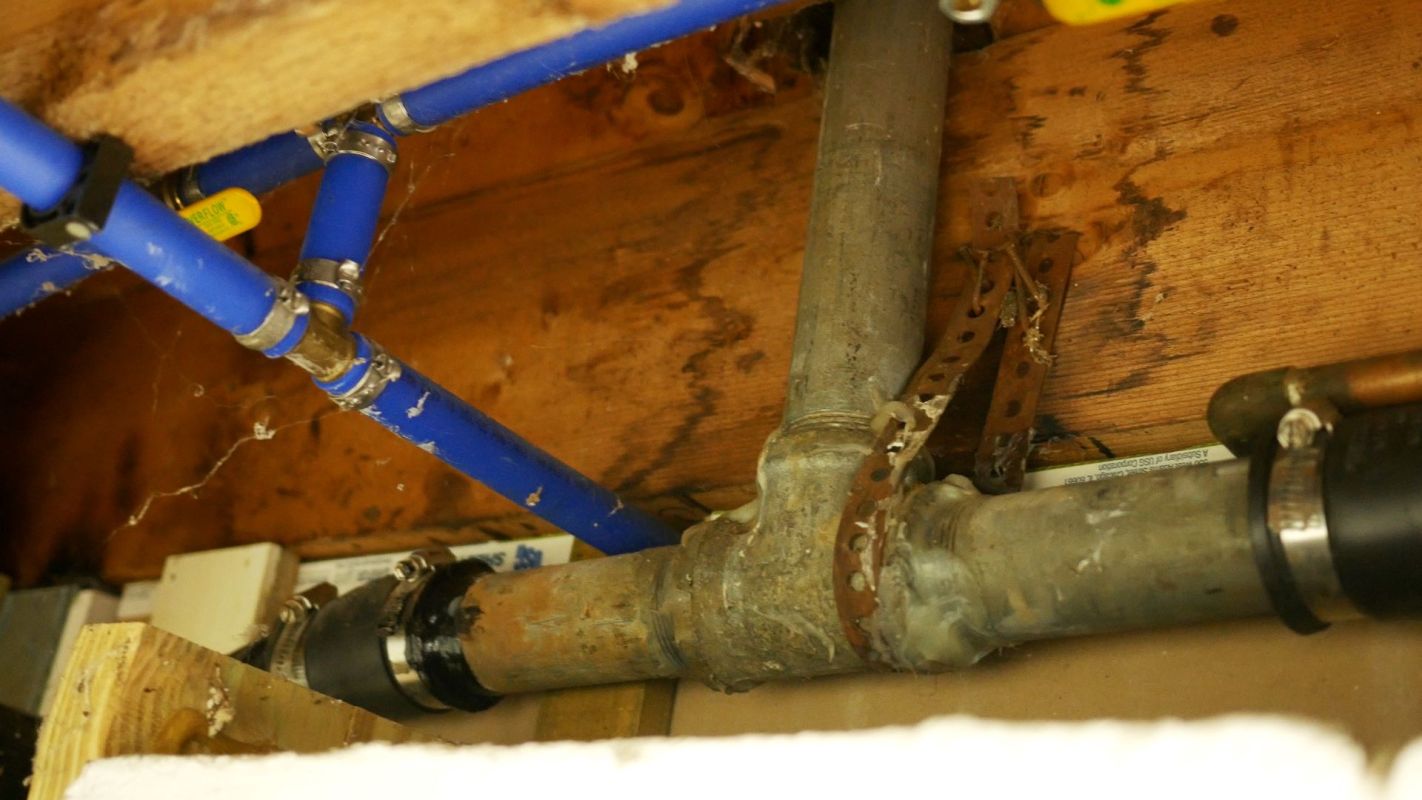
For many Long Island residents, the question is both simple and alarming: Could the pipe that brings water into your home contain lead?
A new report suggests that concern is far more urgent in Nassau County than in neighboring Suffolk County, with a striking gap between the two totals.
Here's what to know
County totals in the September 29 Rockefeller Institute of Government analysis were dramatically uneven. As Daily Voice reported, the study identified 16 lead service lines in Suffolk County and 12,904 in Nassau County.
There are still major unknowns statewide. About 800,000 of New York's 3.8 million service lines have not yet been analyzed, though fewer than 2,000 of those unchecked lines are in Suffolk County. Even with that uncertainty, the report identified more than 245,000 lead-contaminated service lines statewide.
In practical terms, a service line is the pipe that links a home or business to the water main beneath the street.
According to the report, lead in drinking water is not considered safe at any level, and exposure has been linked to cancer and other diseases.
TCD Picks » Quince Spotlight
💡These best-sellers from Quince deliver affordable, sustainable luxury for all




The total suggests that thousands of homes and buildings in Nassau County may still be connected to the water system through older, potentially hazardous materials. Suffolk's far lower number does not necessarily mean the problem has been fully resolved there.
What's being done?
Nationally, the effort calls for states to identify all lead service lines by November 2027 and replace them by 2037, and the Rockefeller analysis is part of that work.
With promised funding at $975 million, the state faces a $2.725 billion shortfall against the estimated $3.7 billion cost of replacing all of New York's lead service lines.
Where can I learn more?
Across the country, lead pipe replacement, federal oversight, and water safety concerns are playing out in different ways.
• The Biden administration pledged the biggest investment in water infrastructure to replace hazardous lead pipes nationwide.
• In Wausau, homeowners with lead lines could face shutoffs and fines as replacement aid shrinks.
• In East Moline, Illinois, water tests found elevated lead at some properties.
• In Chicago, researchers found young children exposed to lead through drinking water at troubling rates.

Get TCD's free newsletters for easy tips, smart advice, and a chance to earn $5,000 toward home upgrades. To see more stories like this one, change your Google preferences here.