


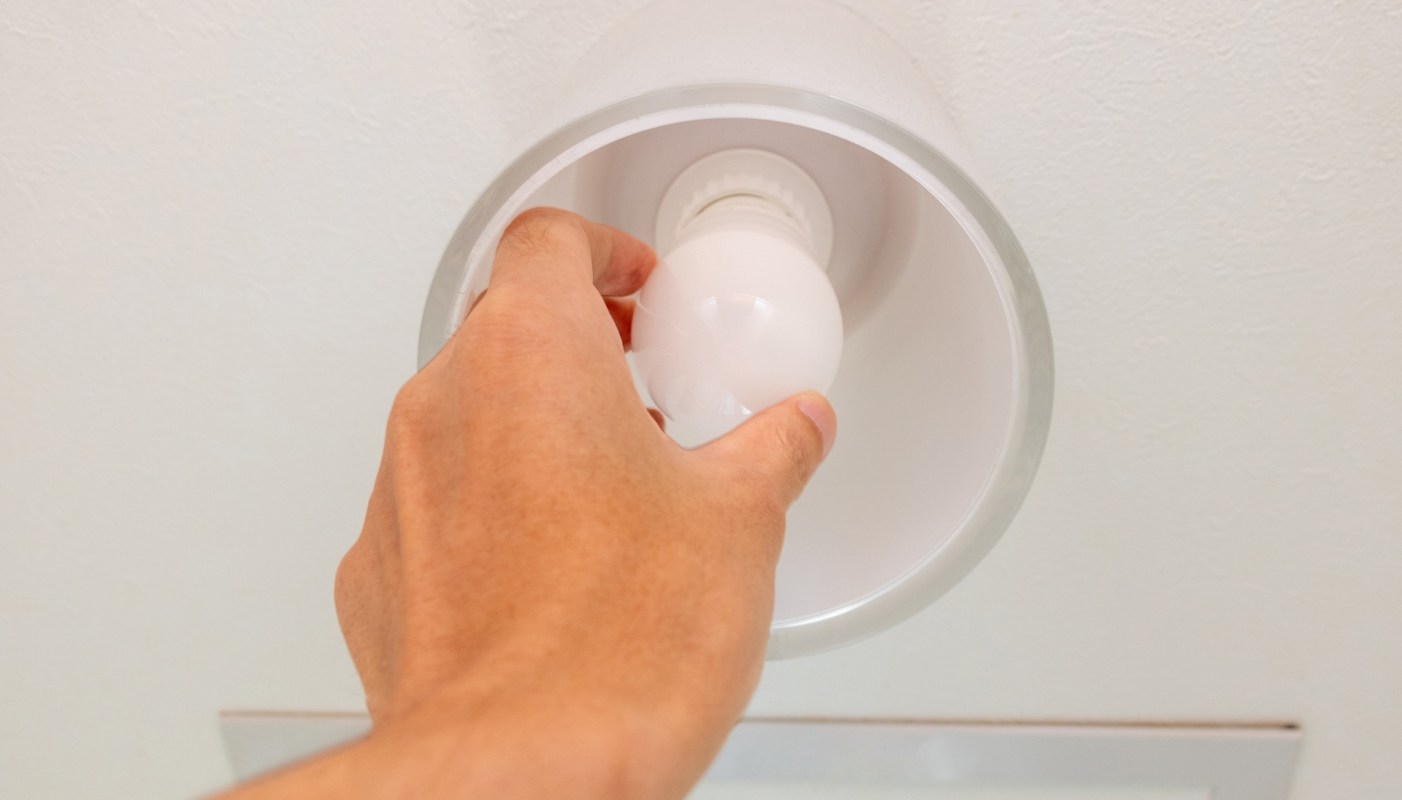
A dead laundry-room bulb with burn marks raised a safety question for one new homeowner.
Were the dark marks around the socket a warning sign of a dangerous electrical problem, or simply evidence that a previous owner had used the wrong bulb?
Here's what to know
While changing the bulb, the homeowner noticed "discoloration around the outside of the socket" as well as "what looks to be burn marks on the inside," leading them to ask Reddit's r/HomeMaintenance community whether the socket was "toast" and if an electrician should come inspect it.
In the Reddit thread, the homeowner explained that they were replacing the laundry-room bulb for the first time in the home. They also wondered whether the last owner had used a bulb with too high a wattage.
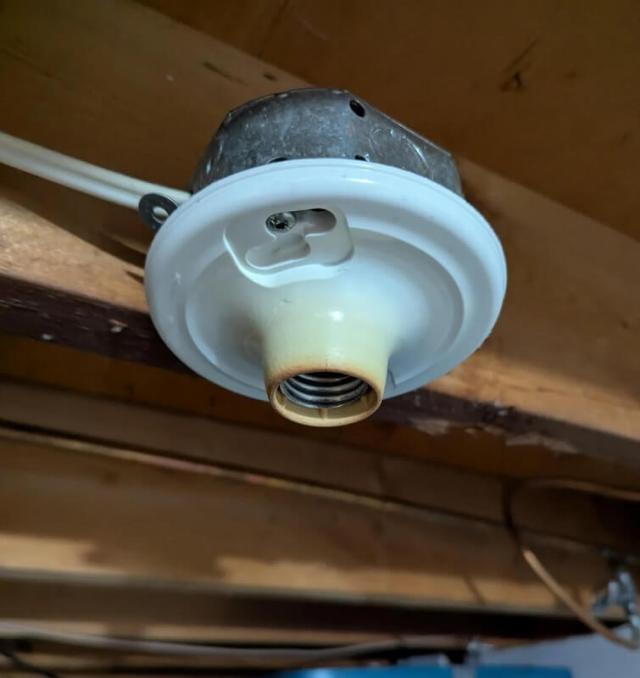
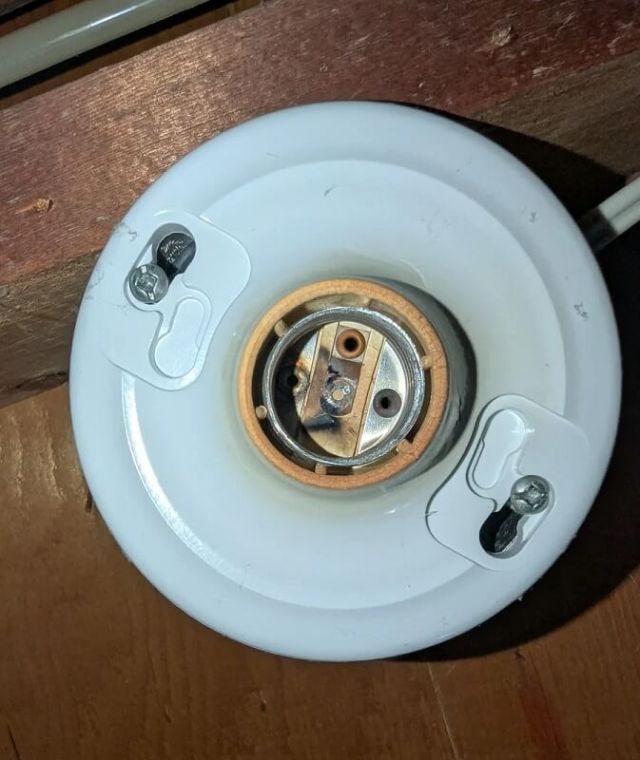
Most of the replies pointed to overheating, not a major wiring failure. The top comment called it "Cheap plastic" and said it "looks like someone had a high watt incandescent in there previously."
Others offered a similar read on the problem. One wrote, "That appears to be a plastic fixture that became discolored due a light bulb that was too high of wattage," and another noted that "Old plastics discolor with heat. Check out any old super nintendo."
TCD Picks » Quince Spotlight
💡These best-sellers from Quince deliver affordable, sustainable luxury for all




The comments suggested the fix may be relatively inexpensive: replace the cheap plastic holder and switch to an LED bulb instead of paying for a much larger repair.
Part of the confusion seemed to stem from how LED bulbs are labeled. One commenter explained, "The LED bulb will give you an 'official' wattage and what it thinks the equivalent incandescent light output is."
So the number on the box that compares an LED to an incandescent does not perfectly reflect the LED's actual power use. As another commenter put it, "A 100W-equivalent LED bulb uses about 12-17 watts."
If a previous owner had been using a 100-watt incandescent, switching to a 12- to 17-watt LED would use less electricity while also reducing the heat that likely caused the discoloration in the first place.
Commenters also said a true 60-watt LED would be far too much for a laundry room. As one person put it, "60 actual watts of led light would be blinding."
The most specific recommendation was to replace the plastic holder with a porcelain one. A commenter wrote, "Go to the home store and get a porcelain lamp holder for about $2.50. Should be a 10 minute job to replace it, including the time needed to find the wire nut that will inevitably roll under the dryer."
That general price range came up elsewhere in the thread too, with one commenter saying a proper fixture could run "5 to 10 bucks."
Where can I learn more?
If you're dealing with an overheated light fixture, these stories explain why many homeowners switch to LEDs.
• For many households, LED bulbs cut energy use while also running far cooler.
• Across U.S. homes, updating can lights to LEDs often takes just minutes.
• Years after switching, many homeowners say LED lightbulbs lived up to the savings hype.

Get TCD's free newsletters for easy tips, smart advice, and a chance to earn $5,000 toward home upgrades. To see more stories like this one, change your Google preferences here.






