


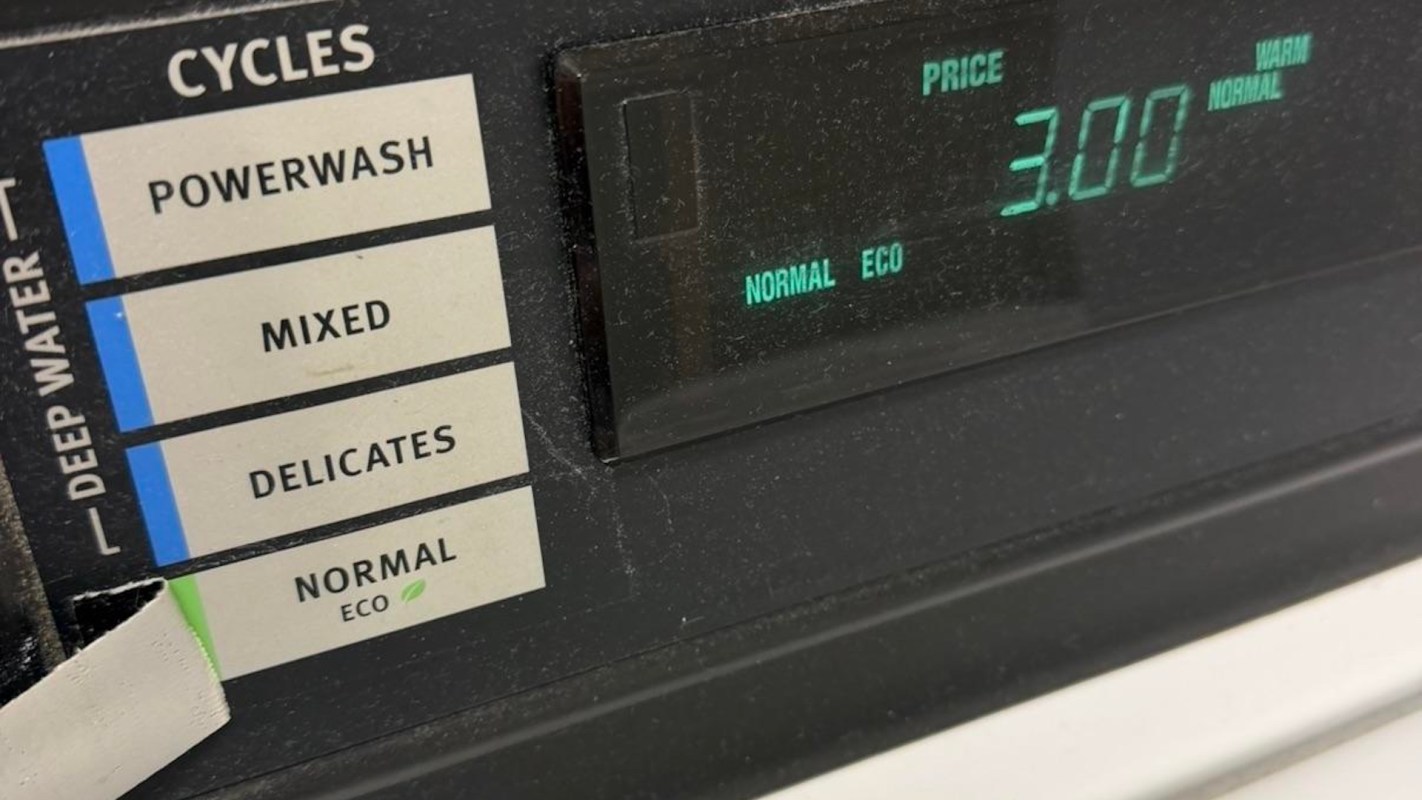
An apartment tenant was furious after their landlord's decision made doing laundry more expensive and worse for the environment.
Here's what to know
On Reddit, the original poster said the apartment washer's eco cycle had been their usual choice because it was $1.25. But the landlord decided to put electrical tape over that option and bumped up the price to $3.
The renter described it as one more small fee tied to apartment living.
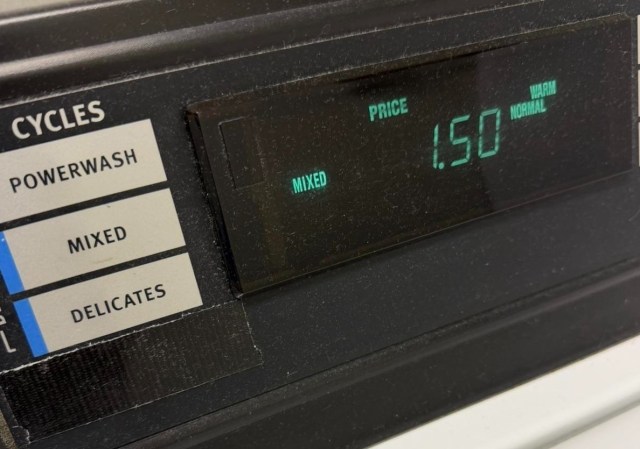
"Now I can't use the eco cycle and have to cough up an extra $0.25 for every wash," the original poster wrote, noting that the next cheapest cycle was $1.50.
Commenters, while sympathetic, offered a few possible explanations instead of assuming it was simply a random price increase.
One person said some Speed Queen washers include eco mode to satisfy Department of Energy rules, and in shared machines, that setting can leave behind soap or softener when people use too much detergent or other product.
TCD Picks » Quince Spotlight
💡These best-sellers from Quince deliver affordable, sustainable luxury for all




Another commenter backed that theory, writing, "If this is a high efficiency washer, you need to use the right detergent or they'll be a ton of suds left at the end of an eco cycle."
More background
The renter wanted the return of the $1.25 option rather than having to pay more for each load, as small recurring charges can feel much bigger on top of already-high housing costs.
One commenter said the same machines in their building are "set at $2 for all of the settings," while another commenter added, "My complex has that exact washing machine, but it's $3.50 to use."
This case isn't an outlier. Across the country, landlords and property managers have been called out for policies that have blocked tenants from minor adjustments that save money, such as growing food and hanging a clothesline to dry laundry.
A taped-over eco button can feel like part of that pattern, even if commenters suspected there may have been a maintenance issue behind it.
Meanwhile, eco settings are designed to use less power, reducing strain on an energy grid that still relies heavily on burning polluting fuels. Without that setting, renters won't have the option to make a choice that's better for the planet's health.
What can be done?
Several replies pointed to the same first step: ask the landlord why the setting was turned off.
One commenter said, "I would talk with the landlord about it because I am betting there was an issue that made him essentially make the eco mode no longer usable."
Among the possible explanations commenters mentioned were detergent buildup, sensor trouble, too many suds, or complaints that loads were not getting fully rinsed.
Because the washer is shared, those kinds of issues can affect every tenant who uses it, especially people who are sensitive to lingering detergent or softener.
Other renters described workarounds when building machines are poorly maintained.
One commenter said they avoid their building's machines and instead use a local laundromat with an attendant on duty, where washers are cleaned after each load and the business paid for a replacement after bleach damage occurred.
Instead of quietly dealing with unreasonable decisions, renters can work with landlords, associations, or property managers to make positive changes for the benefit of the whole community.

Get TCD's free newsletters for easy tips, smart advice, and a chance to earn $5,000 toward home upgrades. To see more stories like this one, change your Google preferences here.






