


Drying laundry indoors during a U.K. winter can quickly turn into a musty, drawn-out chore — and an expensive one if the only fallback is turning up the heat or relying on a washer-dryer.
A Reddit thread pointed to a lower-energy fix: get as much water out of clothes as possible first, then let a dehumidifier do the rest.
Here's what to know
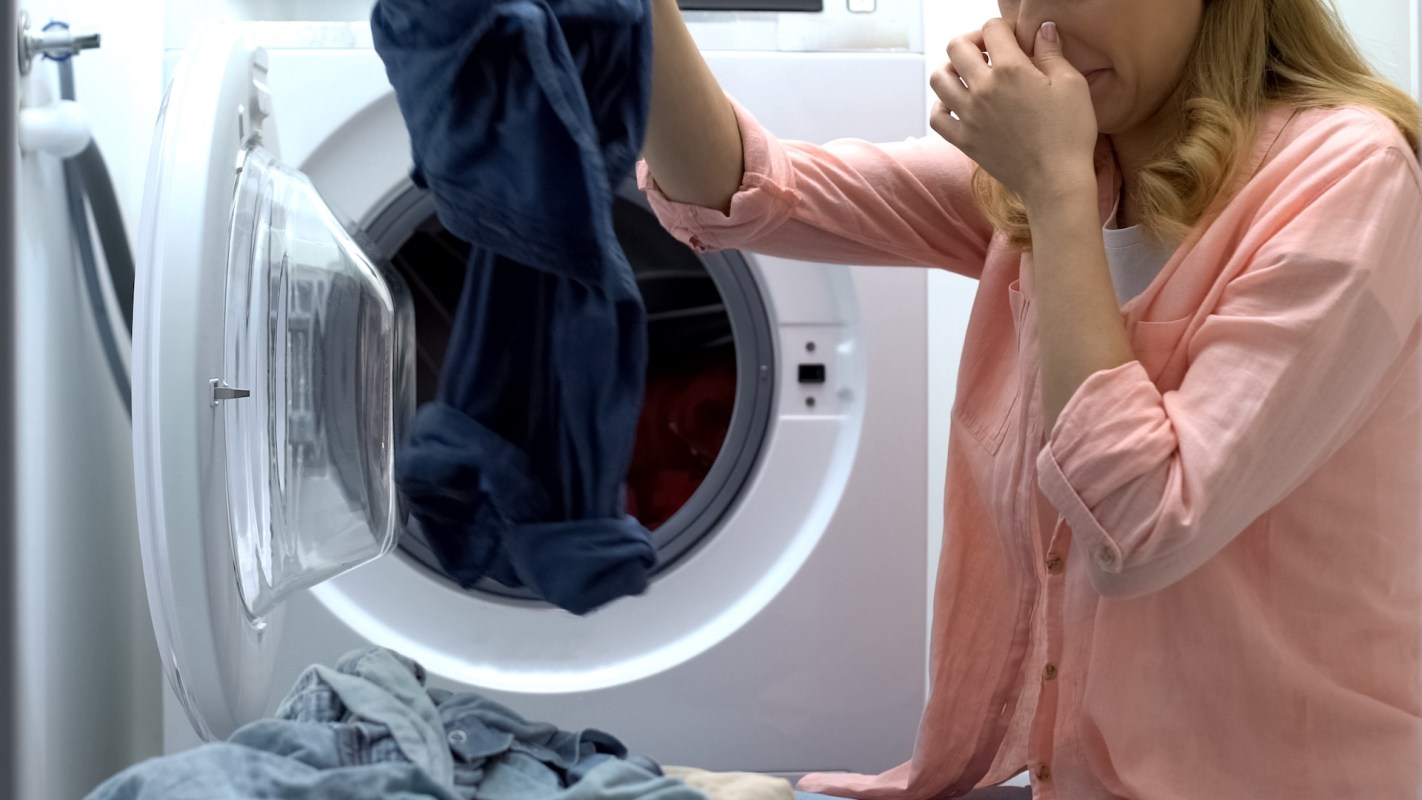
The U.K. resident said their clothes smell fresh when they dry outside in the summer, but start to smell bad once colder weather forces them indoors. They said they usually do about four loads each week and wash most items at 104 to 140 degrees Fahrenheit (40 to 60 degrees Celsius) with a 1,000-RPM spin.
None of the drying methods they had tested had solved the issue. A full washer-dryer wash-and-dry cycle could run for six hours and still leave a full load not fully dry. A Dry: Soon 3-Tier Heated Airer and Cover needed "2-3 days" for a small load, the Minky Heat Pod Drying System took about four separate three-hour runs, and a basic clothes horse near a radiator only really helped when the heat was already on.
Many replies focused on the wash cycle rather than the drying gadgets. Users said 1,000 RPM left too much water in the fabric, which was likely why everything took so long to dry.
One user said, "The clothes are taking ages to dry because they're full of water."
TCD Picks » Quince Spotlight
💡These best-sellers from Quince deliver affordable, sustainable luxury for all




Others suggested adding an extra spin cycle, making sure the washer is not overloaded, and aiming a fan directly at the airer.
More background
Another user suggested the bigger problem might be the indoor environment itself, saying the home was "too cold and doesn't dry the clothes quickly enough before mildew starts to set in," which would explain the lingering damp smell.
Users said a good dehumidifier can help beyond laundry day. One said it would draw moisture from "not just washing, but the cold damp that is inside your walls," while another said keeping humidity below 60% can help reduce mold risk. Someone else said they still use outdoor drying when rain is not expected and a weather app shows humidity below 70%.
What can be done?
Before clothes go on the drying rack, users said the main goal should be to remove more water in the washer. Their suggestions included running one or two extra fast spin cycles after washing and not overfilling the drum, since too much weight can prevent a proper spin.
From there, the preferred setup was simple: use a normal airer, add a dependable dehumidifier, and, if possible, point a fan at the laundry.
One user said a fan is "way less energy intensive than a dehumidifier or putting the heating on, but works wonders."
When people recommended using one small room with the door closed, the OP replied that this was already "the smallest room in the house."
Where can I learn more?
For more help with slow-drying laundry and lingering odors, these stories look at the problem from a few different angles. They cover how to remove musty smells, choose better washer settings, clean odor-prone machines, and compare more efficient drying options.
• A splash of vinegar can clear moldy smells from towels and other damp laundry.
• The right washer cycle and spin setting can cut drying time and energy use.
• Lingering laundry odors sometimes start inside the washer, where baking soda helps remove hidden mold smells.
• A neglected washer filter can trap grime, but cleaning it regularly helps clothes smell fresher.

Get TCD's free newsletters for easy tips, smart advice, and a chance to earn $5,000 toward home upgrades. To see more stories like this one, change your Google preferences here.






