


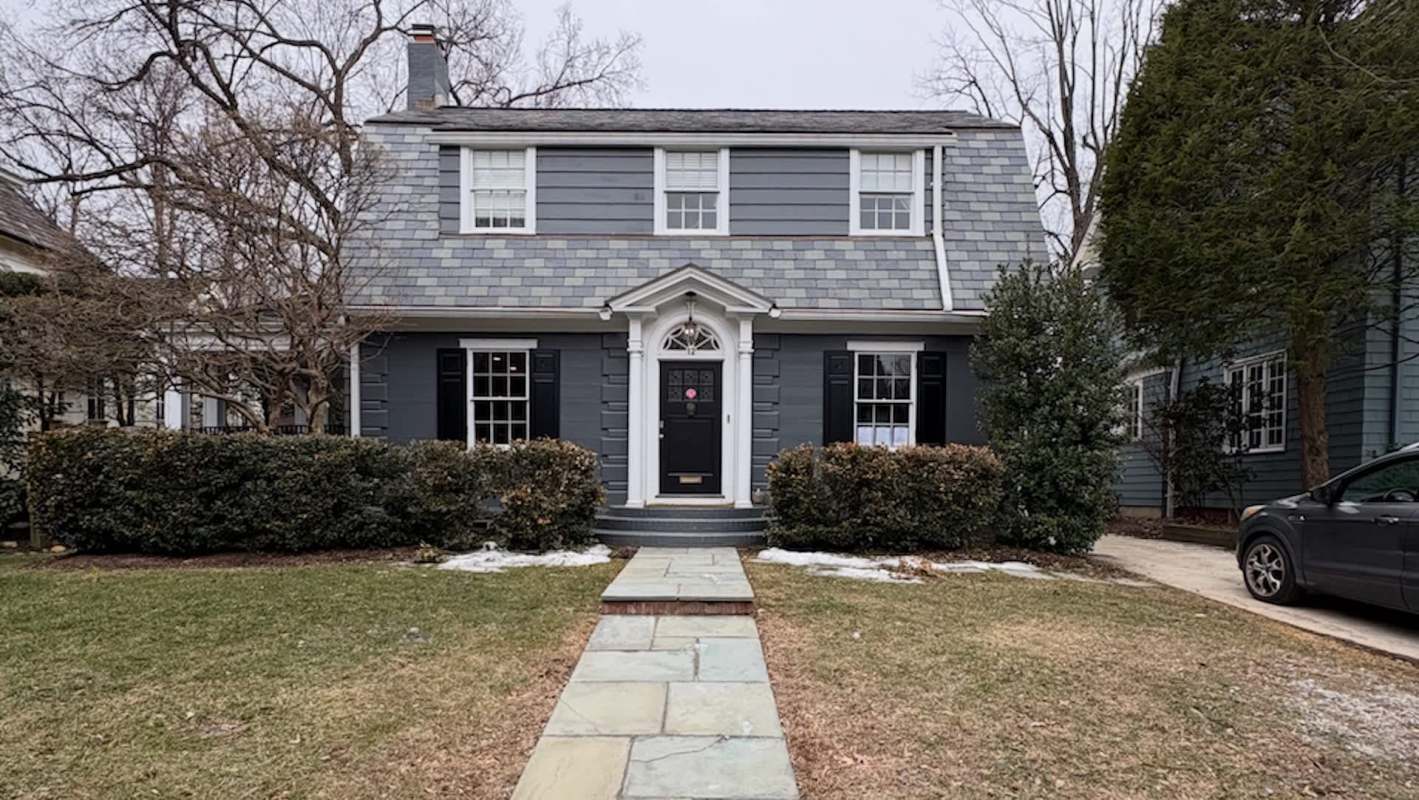
Only a quarter of a year into a landscaping redo, the property is already giving a very different first impression. By cutting back an oversized hedge and adding fresh plantings, the front of the home now feels more open and welcoming.
What happened?
A content creator behind the English Cottage Garden Design (@figmentcottagegardens) Instagram account recently shared an update showing the progress of a front- and backyard makeover after just three months.
In the earlier version of the yard, the front of the property was largely defined by a hedge that made the house seem smaller by comparison. In the Instagram post, the creator wrote, "Prior to design and planting, we just had an overgrown hedge that dwarfed the house."
Three months later, the trimmed hedge and new garden beds were already changing how the home looked and felt, showing that a landscape can start making an impact well before everything reaches full size. The backyard was updated with function in mind as well, with the creator noting, "In the back, we maximized play space," indicating the redesign was meant to improve everyday use alongside visual appeal.
The transformation is still underway. "3 months in! Lots of visible growth, but a long way to go until the plants mature," the creator wrote.
Why does it matter?
Projects like this show how much impact homeowners can get from rethinking traditional landscaping. An oversized hedge or a large, thirsty lawn can require constant maintenance while still making a yard feel less functional. Replacing even part of that space with native plants or other low-maintenance options can reduce mowing, trimming, watering, and fertilizer use.
TCD Picks » Quince Spotlight
💡These best-sellers from Quince deliver affordable, sustainable luxury for all




That can lead to meaningful savings in both time and money. Native-plant lawns and partial lawn replacements often lower water bills, reduce upkeep, and support pollinators at the same time. Other alternatives, including clover, buffalo grass, and xeriscaping, can offer similar benefits depending on climate and yard size.
Even a partial lawn replacement can have a noticeable effect. Reworking a front border, removing a problem hedge, or converting one section of grass into a more natural planting area can make a home feel more welcoming while reducing the effort required to keep the yard looking polished.
It is also part of a shift toward landscaping that works with local conditions instead of against them, as more homeowners look for ways to save resources without sacrificing beauty.
What can I do?
A full transformation does not have to happen all at once. Starting small — with a native plant bed, a clover patch, buffalo grass, or a xeriscaped corner — can still reduce maintenance and water use.
Plants suited to their region are often a strong choice for homeowners because they generally need less irrigation and support local wildlife. A partial lawn replacement can still mean lower bills and fewer weekend chores.
For more ideas, check out the TCD Guide's page on rewilding your yard and its page on upgrading to a natural lawn. Both offer practical ways to rethink outdoor spaces without taking on more than your budget or schedule allows.
As the creator put it, "I love how the gardens in the front of the home have made it so inviting!" And even at this early stage, "A proper haircut and additional plantings have worked their magic."

Get TCD's free newsletters for easy tips, smart advice, and a chance to earn $5,000 toward home upgrades. To see more stories like this one, change your Google preferences here.






