


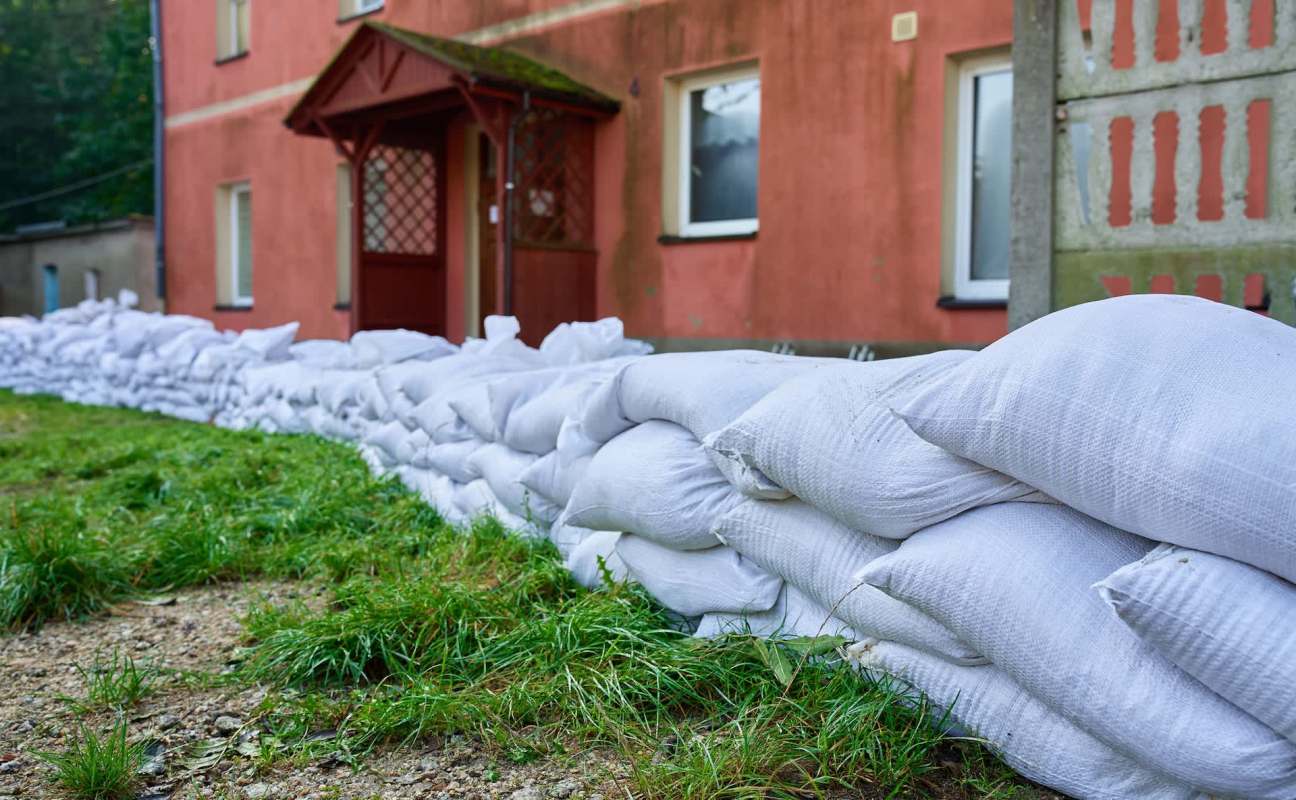
As El Niño continues to strengthen, homeowners in Kern County, California, are being reminded that not all storm-related losses are automatically covered by their insurance.
A local insurance broker said homeowners who act before heavier rain arrives may be better positioned to avoid repair bills, policy surprises, and disruptions at home.
Here's what to know
As forecasters monitor a potentially intense El Niño, KBAK/KBFX reported that Kern County homeowners may want to inspect their homes and review their insurance coverage.
The Climate Prediction Center, which is part of the National Weather Service, said in its Aug. 13 update that El Niño has a better than 90% chance of becoming a very strong event during fall and winter 2026-27. The same update said there is a 69% chance it reaches a historic benchmark from October through December, while also noting that such strength would not necessarily guarantee the pattern's usual weather effects.
Forecasters are still leaning toward wetter conditions. Brian Ochs of the National Weather Service office in Hanford said, as quoted by KBAK/KBFX, "The odds are tilted that we will receive at least some precipitation — at least some above average precipitation — for this fall through into the winter as well as into the spring."
With that outlook in mind, Guillory Yahut, an insurance broker at Omega Financial & Insurance Services, is urging homeowners to prepare before major storms form.
TCD Picks » Quince Spotlight
💡These best-sellers from Quince deliver affordable, sustainable luxury for all




More background
A central issue, Yahut said, is that flood losses are generally not part of a standard homeowners insurance policy. As she put it: "Flood, again, is not included in a standard homeowner's policy."
Some homeowners may read water-damage language in their policies and assume that means they are fully protected, but Yahut said that can be misleading. "Water damage, even though it shows that it's covered in your policy, doesn't necessarily mean it does. There's different categories in our coverage."
Those categories can have a big impact on what a carrier will actually cover. Water that enters from an outside flood event is usually handled differently from damage caused by an internal issue such as a broken pipe. KBAK/KBFX also cited the California Department of Insurance, which says some storm-related losses — including rain entering after wind damage to a roof or window — may be covered, depending on the policy.
What can be done?
Yahut said homeowners can begin by checking the property's condition. That can include looking for missing shingles or tiles on the roof, spotting damaged or dying trees near the house, and making sure gutters, drains, and downspouts are clear and can push water away during heavy rain.
She also recommends reviewing key parts of a policy with a professional, including dwelling coverage, personal property coverage, loss-of-use limits, and any water-related protections. Reviewing those areas ahead of time can help identify gaps before they become expensive surprises.
Anyone thinking about buying flood insurance should also keep timing in mind. Yahut said, "They take up to 30 days generally of a waiting period. So you don't want to wait and know that, okay, it's gonna storm this weekend. Let's hurry up and get flood insurance, 'cause some flood programs will have a waiting period."
If damage does happen, Yahut said thorough documentation matters. "Take exact pictures and video of the damaged areas, different angles, 'cause the more documentation you have, the better it is when you file a loss on a claim," Yahut said.
Where can I learn more?
A policy review is only one part of getting ready for storm season. The coverage here looks at shrinking federal disaster support, rising blackout risks, and efforts to make housing more resilient in severe weather.
• In Washington, homeowners are being told to prepare for reduced FEMA support as disasters intensify.
• Carrier and Habitat for Humanity are building energy-efficient, resilient housing in storm-vulnerable communities.
• The Department of Energy warns homeowners to brace for far more blackouts as grids strain.
They offer a broader picture of the kinds of preparation homeowners may want to think through before the next storm arrives.

Get TCD's free newsletters for easy tips, smart advice, and a chance to earn $5,000 toward home upgrades. To see more stories like this one, change your Google preferences here.






