


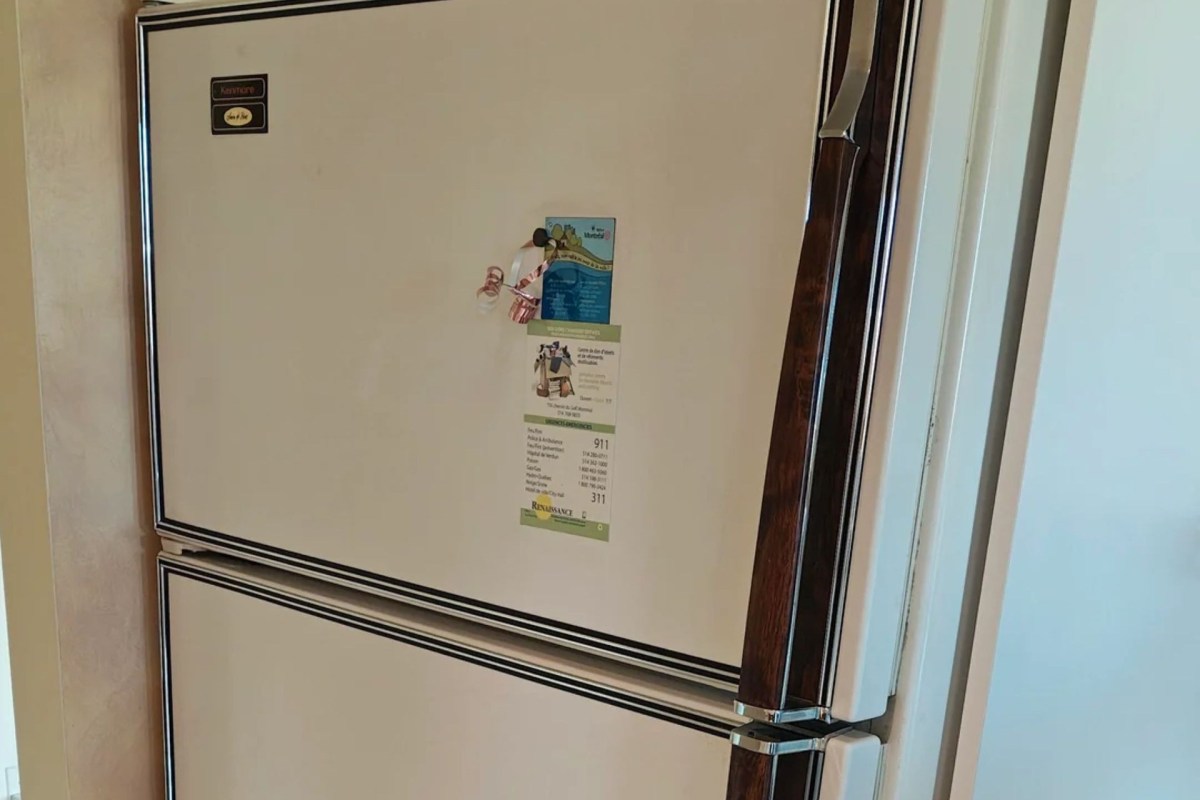
A Reddit user said they convinced their parents to keep an original 1980s Kenmore refrigerator if they buy a condo with mostly original appliances.
That decision sparked a broader debate about whether an old fridge saves money or hogs energy.
Here's what to know
The discussion started in a Reddit thread about a possible condo purchase. The poster said the building seems to be from the 1980s and that the Kenmore refrigerator may have been there since the beginning. If their parents buy the unit, they said, they want the old fridge to stay.
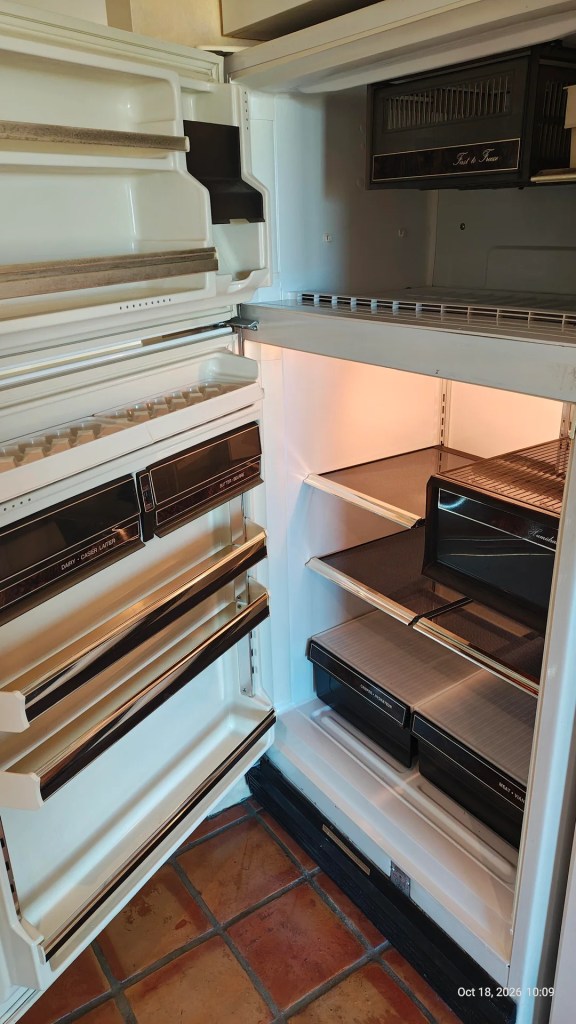
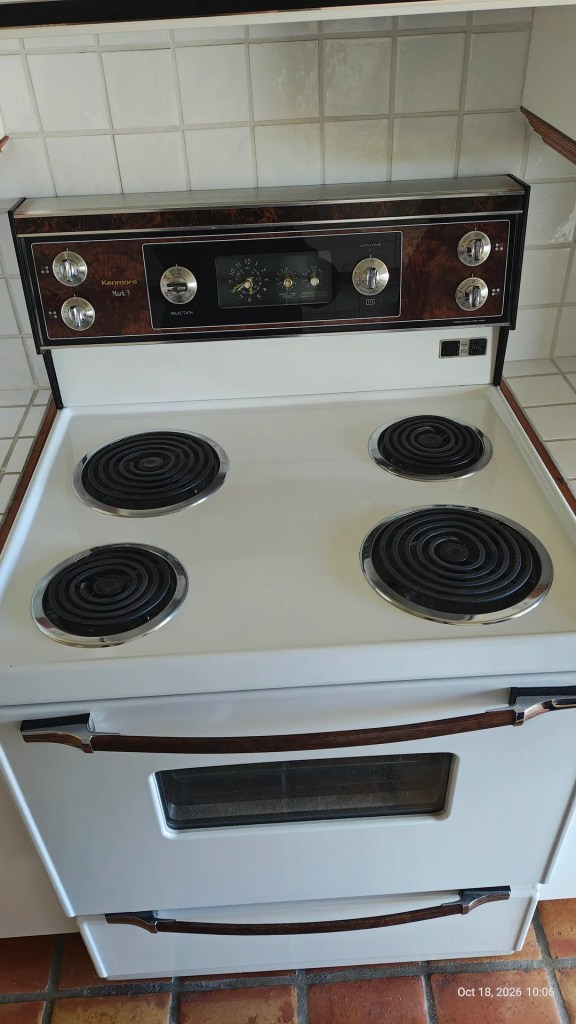
Not every appliance inspired the same confidence, as they told the r/BuyItForLife subreddit. The refrigerator was said to be in near-new cosmetic shape, but the oven would not heat, the dishwasher and dryer were likely headed out, and the washing machine had "some brown stuff??" in it.
The appliance's look was part of the attraction.
"It's like twice as old as me, but there's something about 80s appliances with 'fake wood' that I just love," the original poster shared.
TCD Picks » Quince Spotlight
💡These best-sellers from Quince deliver affordable, sustainable luxury for all




Most of the replies focused less on style than on power use. Before deciding, one commenter recommended checking the fridge's actual consumption and noted, "Modern (Energy Star) refrigerators run less than 3 KWh per day." The original poster responded that, at their local electricity rate in Canada, 3 kilowatt-hours would work out to about 30 to 45 cents CAD per day.
More background
One reply pointed out that Kenmore was Sears' in-house label rather than a single manufacturer. Over the years, companies including Whirlpool, GE, Frigidaire, and LG built appliances under the brand name. That means two old Kenmore refrigerators may not perform the same way.
The same commenter argued that nostalgia about older appliances can be misleading because of survivor bias. In that view, many weak units disappeared long ago, leaving the long-lasting ones to represent the whole era.
Money was where the thread got most specific. A commenter shared that replacing a 1994 Maytag refrigerator lowered their electric bill by $35 a month, enough for the newer unit to pay for itself in about three years.
Others said the situation can vary from fridge to fridge. One person suggested some older models remain competitive because thick insulation helps efficiency, while another suspected bad door seals may explain at least some stories about extreme electricity use.
What can be done?
The most common advice was to test the appliance rather than guess.
"Put a Kill-a-Watt on the fridge to make sure it isn't an energy hog," they suggested. "K-a-W measures energy usage over time. They aren't expensive but some public libraries have them to lend."
That kind of test turns the decision into a straightforward budget calculation. Using the benchmark one commenter cited, a fridge drawing 3 kilowatt-hours per day at the original poster's electricity rate would cost about 30 to 45 cents each day, or around $110 to $164 CAD per year.

Get TCD's free newsletters for easy tips, smart advice, and a chance to earn $5,000 toward home upgrades. To see more stories like this one, change your Google preferences here.
Cool Picks






