


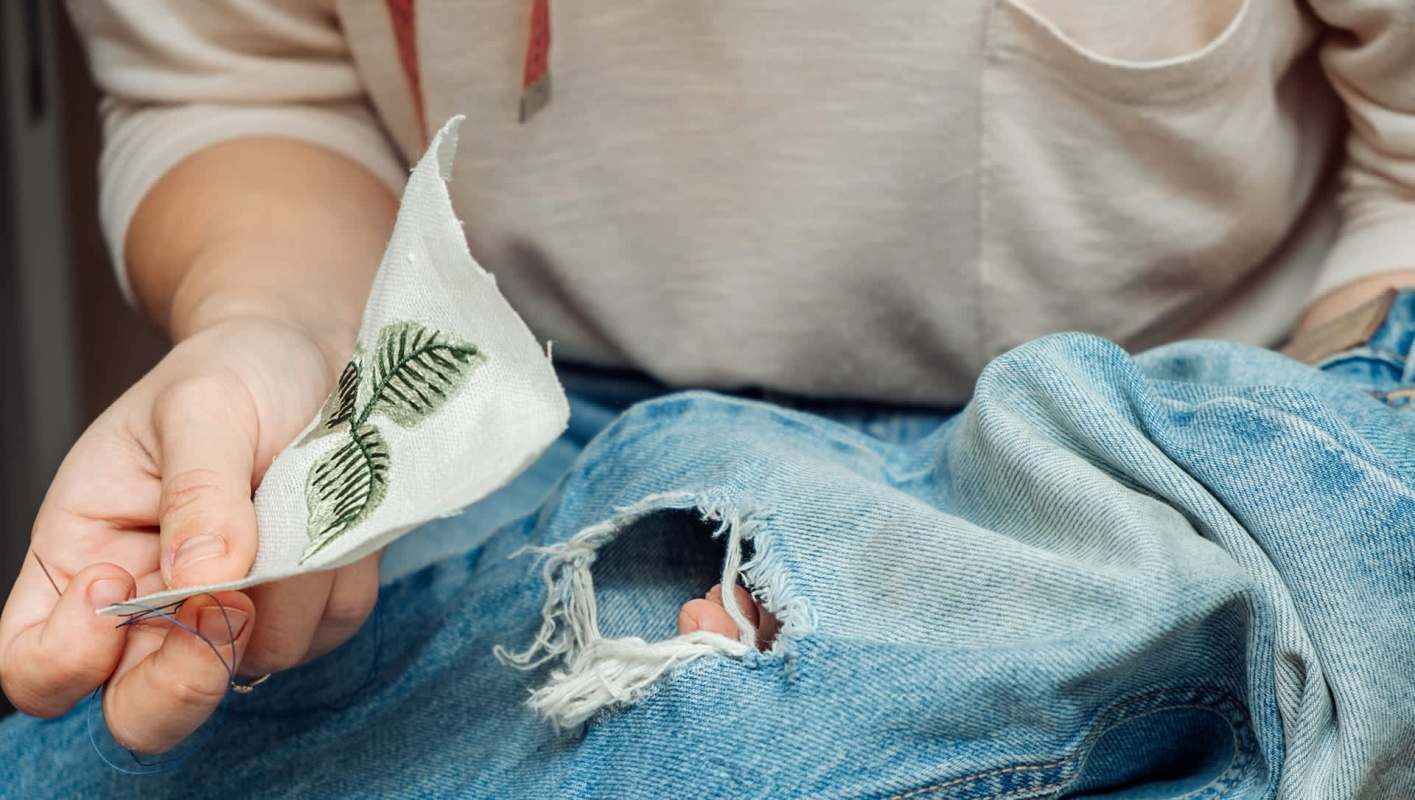
A growing fashion trend is turning clothing tears into features worth showing off, according to The Conversation.
Visible mending inspired by Japanese methods like kintsugi and sashiko is helping people keep favorite clothes in circulation longer.
What's happening?
Instead of hiding a tear or worn spot, visible mending makes the fix part of the garment's look. As The Conversation reported, the practice uses intentionally noticeable stitching, embroidery, or patchwork to repair damaged clothing.
Rather than seeing damage as something to cover up, the approach takes cues from Japanese sewing methods like kintsugi and sashiko, which treat wear, breakage, and repair as part of an object's history.
The Conversation reported that extending a garment's life by nine additional months can reduce its carbon, water, and waste impacts by as much as 20%. That matters because many garments are worn only seven to 10 times before disposal, and around 101 million tons of textile waste are burned or landfilled each year.
The Conversation noted that #VisibleMending has more than 56 million views on TikTok, and videos showing repaired clothing are pushing back against fast fashion haul culture that promotes constant consumption. That marks a shift from older, more negative views that often linked repair with financial hardship.
TCD Picks » Quince Spotlight
💡These best-sellers from Quince deliver affordable, sustainable luxury for all




Why does it matter?
A repaired sweater, pair of jeans, or jacket can delay the need for a replacement, and those savings can add up over time.
Repairing clothes interrupts the disposable cycle that fast fashion depends on. While the items may seem inexpensive at checkout, the model relies on rapid production, short wear cycles, and enormous amounts of waste.
When people repair instead of replace, fewer garments end up in the trash, and fewer new items need to be produced.
Visible mending can also make repair feel less intimidating. Rather than treating a snag or hole as the end of a garment's life, people can turn the damage into a design feature.
Cost, limited sewing know-how, missing tools, and time constraints are still among the reasons many people do not repair their clothes at all, The Conversation reported.
What's being done?
Some brands are trying to make repair more accessible.
The Conversation reported that Glasgow-based sustainable cashmere brand Second Cashmere sells recycled cashmere and restored knitwear. It also offers mending kits and a repair service that gives customers visible or invisible options.
Outdoor clothing company Patagonia also offers repairs and encourages customers to try do-it-yourself fixes at home. The brand provides repair kits, spare parts, guides, and video tutorials designed to help people extend the life of their gear. Through its Worn Wear program, Patagonia presents the signs of mending as part of a garment's story.
A small repair, like covering a tiny hole with colorful thread, is often the easiest way to start. Local tailors and community repair events can also help bridge the gap for people who find sewing intimidating.
Visible mending won't solve fashion waste on its own. But it can lead to less trash and a chance to turn everyday wear and tear into something useful and beautiful.

Get TCD's free newsletters for easy tips, smart advice, and a chance to earn $5,000 toward home upgrades. To see more stories like this one, change your Google preferences here.






