


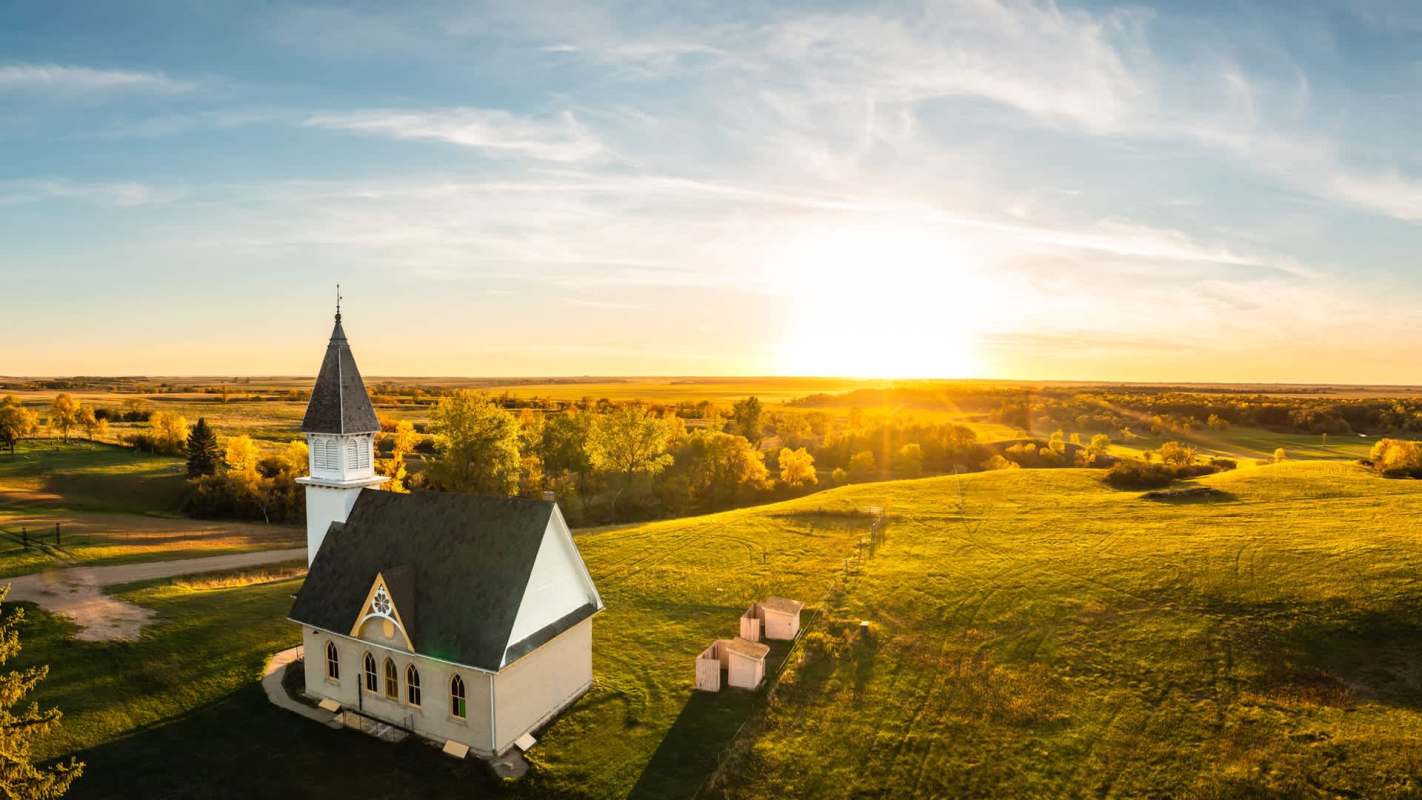
A proposal in Jacksonville could open property owned by churches and other faith-based institutions to housing, with affordable rentals reserved for eligible households for at least 30 years.
Here's what to know
Jacksonville Today reported City Council member Rahman Johnson has Mayor Donna Deegan's support as he prepares to introduce the "Yes in God's Backyard" bill.
Churches, synagogues, and other qualifying religious institutions could use up to 3 acres for housing development, provided their sites have existed for at least 10 years.
The income ceiling for households seeking affordable rentals would be 80% of the area median, according to the outlet. The proposal would require at least 40% of rentals to remain affordable.
Johnson said projects would still have to comply with the property's zoning requirements. The proposal would allow up to 60 homes per acre, the maximum density permitted by city code.
More background
The 121-unit Rosalind Villas senior apartment community sits beside Greater Macedonia Baptist Church on West Edgewood Avenue. The Rev. Landon Williams built it in 2002, according to Jacksonville Today.
TCD Picks » Quince Spotlight
💡These best-sellers from Quince deliver affordable, sustainable luxury for all




Michelle Williams, his daughter, expressed support for the proposal and noted it could be a "holistic approach" for some potential recipients who would attend services.
"Any time you can get a public-private partnership to work, it is for the good of the people," she told the publication. "And the good thing about it is that we don't require that they attend church, but some of the residents who live there are active in the church."
This initiative comes amid a housing shortage in the city, and Jacksonville Today noted the mayor's office linked it to other recent moves to boost affordable housing.
What's being done?
At Johnson's City Hall presentation, Arlington representative and City Council member Ken Amaro asked what would happen if a church had land available but lacked the money to build, per the outlet.
Jacksonville Affordable Housing Director Joshua Hicks explained how developers would arrange financing. To participate, religious institutions would have to team with a developer experienced in affordable housing.
"They will be hiring a developer to find the money; go through the tax credit process if it is an affordable housing project, making sure they have their mortgages in place to help fund the project alongside the church," Hicks explained to Jacksonville Today. "The church could be considered the co-developer, but they are not going to be the one to build it."
Institutions would retain ownership of their land. But Hicks said a church would not have the option to sell a developed property "and just profit." The outlet noted if the church stopped operating, the land would transfer to the developer.
Neighborhood protections and other requirements would remain in place during an expedited review process. Johnson said "God's Backyard" projects would receive no municipal funding. The city's role would be to provide a pathway for development.
"It's going to take multiple solutions to get this problem fixed," he explained to Jacksonville Today. "These solutions mean that for this policy framework, Jacksonville can open the door wider."

Get TCD's free newsletters for easy tips, smart advice, and a chance to earn $5,000 toward home upgrades. To see more stories like this one, change your Google preferences here.






