


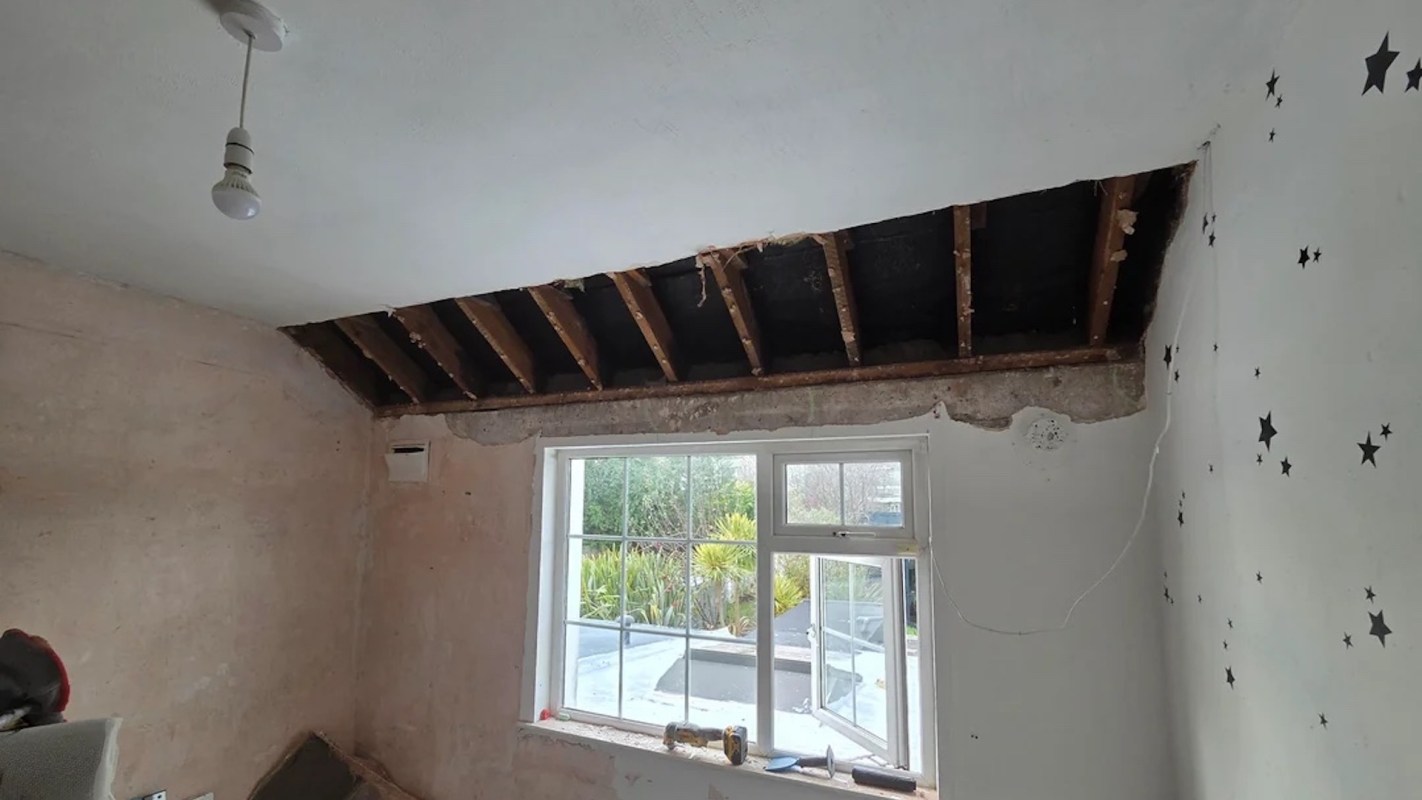
A difficult-to-reach attic space left a Dublin homeowner weighing how to add insulation without removing plasterboard from the room below.
However, fellow DIYers warned that filling the gap without allowing for airflow could lead to condensation.
Here's what to know
On Reddit, the homeowner asked for advice on insulating a tight space where roof rafters passed through the first-floor living areas. They considered both fiberglass and semi-rigid batts cut to fit between the rafters.
"I was thinking of ramming fibreglass insulation down it, but I don't want to compress it," the original poster wrote.
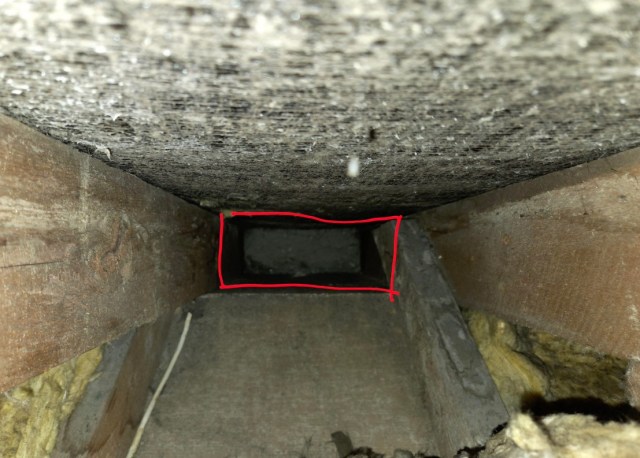
"Well if you push fiberglass or mineral wall bats into that space, you're likely just cause massive amounts of condensation," one commenter warned.
More background
The homeowner wanted airtightness and better efficiency in the solidly built house and was reinsulating the attic as part of that effort. They described the property as a former council house built in 1940.
TCD Picks » Quince Spotlight
💡These best-sellers from Quince deliver affordable, sustainable luxury for all




Learning more about air circulation made the homeowner question an earlier installation of rigid insulation. They had fitted it in the same problem area while renovating their daughter's bedroom when the plasterboard was already removed.
The homeowner wanted to insulate the small area properly from the attic without removing another room's ceiling or wall lining. A projecting joist, however, left too little room to maneuver rigid insulation into place from above.
What can be done?
One commenter recommended foil-backed rigid PIR boards cut to fit without filling the rafters' entire depth. They also suggested leaving a 25-millimeter gap, aligning the insulation with the inward-facing edges of the rafters, and applying foil tape across the timber.
Another person, drawing on work in their own home, advised maintaining 30 millimeters of ventilation clearance behind the insulation.
Someone else argued that removing the plasterboard would make the job less awkward and improve the insulation's performance. They recommended taking it down, fitting the insulation, and then replacing and skimming the surface — an approach at odds with the homeowner's plan to keep the plasterboard intact.
"I won't be taking plasterboard down, so it has to happen from the attic to a hard-to-reach point," the OP said in a comment.

Get TCD's free newsletters for easy tips, smart advice, and a chance to earn $5,000 toward home upgrades. To see more stories like this one, change your Google preferences here.






