


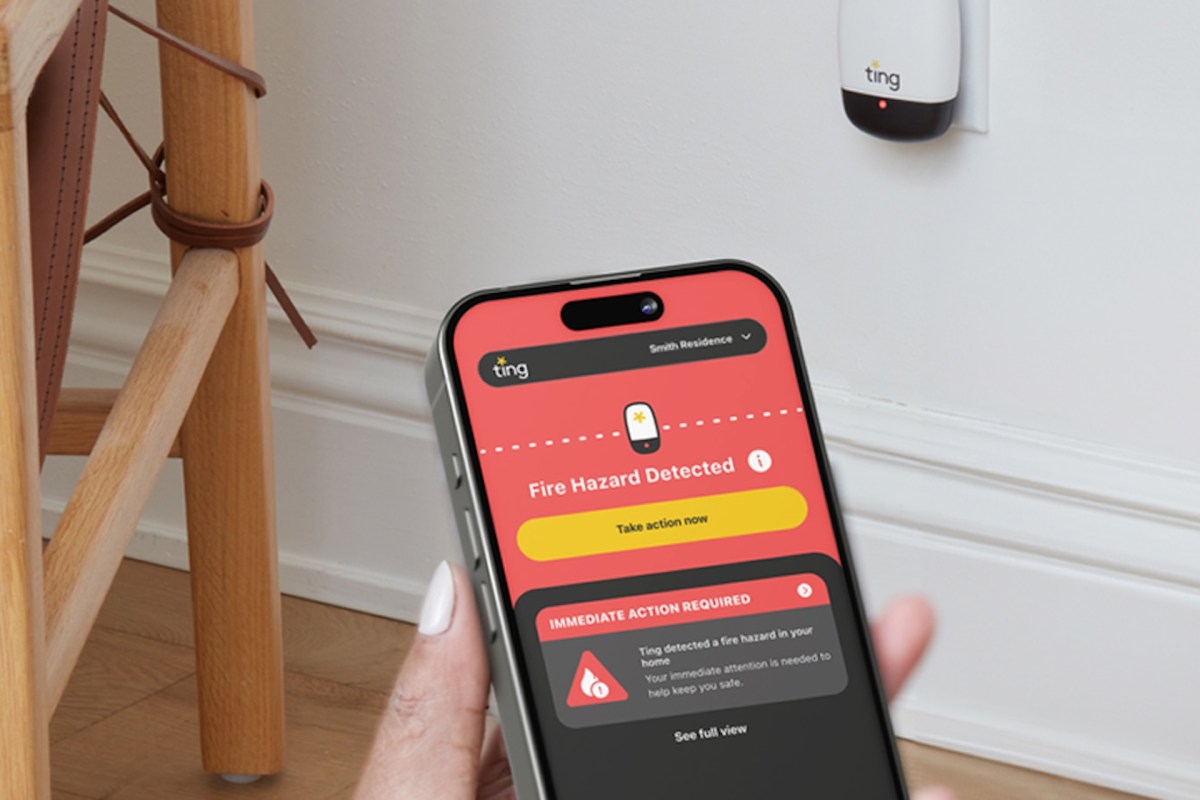
Smart-home devices designed to detect water leaks and electrical-fire risks could help homeowners prevent a disaster. Better yet, many insurance companies already offer them to customers for free.
Here's what to know
When tech reporter Rich DeMuro visited the ITC insurance technology conference in Las Vegas, he observed that many featured products were smart-home devices designed to warn homeowners of an issue before it became a major emergency.
For example, the Ting device monitors a home's electrical system for warning signs of a potential fire. Roughly 40 insurers provide the device to customers at no charge, DeMuro wrote on his Rich On Tech blog.
When the device detects a possible problem, the company can help the customer identify the source. Additionally, Ting said the device can arrange an electrician to make necessary repairs, and the company will cover costs up to $1,000 for certain electrical issues.
Already, nearly 1.5 million Ting devices have been deployed nationwide, DeMuro said. Given the widespread adoption of its devices, Ting can also notify customers about power and internet outages in their neighborhoods.
More background
Electrical hazards weren't the only household risks on the conference agenda. DeMuro also moderated a discussion about home technology with Jonathan Scott, the "Property Brothers" star and an investor in smart water-monitoring company Phyn.
TCD Picks » Quince Spotlight
💡These best-sellers from Quince deliver affordable, sustainable luxury for all




During the panel discussion, Scott told DeMuro that water damage accounts for a substantial share of homeowners insurance claims. To address this, Phyn learns a household's normal water-use patterns and can automatically cut off the water if it detects a major leak. This can provide a crucial safeguard if a pipe bursts while residents are away.
Another device, LeakBot, achieves a similar goal in a different way. LeakBot attaches to a water pipe and identifies even small leaks by monitoring temperature changes, DeMuro reported.
Unlike other water-monitoring devices, LeakBot installation doesn't require cutting into the plumbing or having a plumber place sensors around the house, the company said. LeakBot can also help arrange a plumber when the device discovers a leak. LeakBot said that 26 insurers provide it to policyholders at no charge, according to DeMuro.
With so many insurance companies giving smart home monitoring devices to customers for free, DeMuro recommended that people check with their insurers prior to buying one.
"Before spending money on any of these devices, contact your homeowners insurance company and ask whether it offers free water leak detectors, automatic shutoff systems, or electrical fire prevention devices," DeMuro advised.
Where can I learn more?
Spotting electrical hazards and water leaks early can help homeowners avoid costly damage and prevent dangerous situations.
• An Australian homeowner said planning ahead made bushfire roof sprinklers cheaper to install.
• A homebuyer discovered $40,000 in hidden water damage, prompting warnings about insurance coverage.
• A Massachusetts homeowner's leaking jacuzzi tub created a $30,000 dilemma over repairs.
• After a costly flood, a U.S. homeowner questioned why automatic leak shutoffs aren't standard.
• A homeowner's washing machine water sensor caught a leak, prompting discussion of automatic shutoffs.

Get TCD's free newsletters for easy tips, smart advice, and a chance to earn $5,000 toward home upgrades. To see more stories like this one, change your Google preferences here.






