


A short TikTok clip from a Riverside-area creator in California is resonating because it captures the exhaustion that can set in when the Inland Empire heat stops feeling temporary and starts to feel endless.
In a TikTok video, Rasanchez (@rasmina251) talks about how exhausting the Inland Empire's prolonged heat has become.
Here's what to know
Calling it the worst summer she has experienced, the creator says, "You tell me when, um,this heat in the Riverside IE area ends.I'm ready for it to end. I want fall."
She also adds, "I've never experienced such a bad summer."
@rasmina251 #weather #heatwave #riverside #ie ♬ original sound - Rasanchez
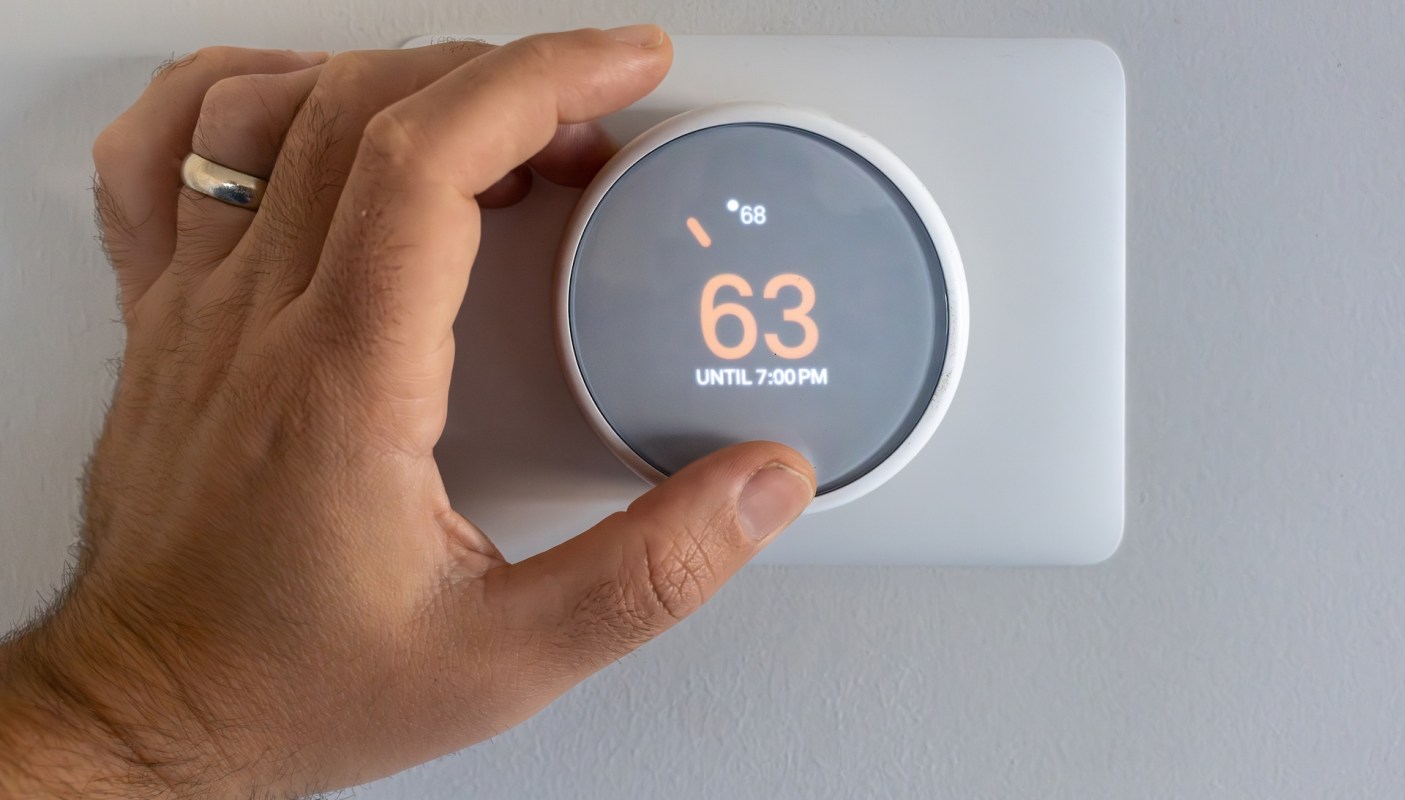
Its caption — "My ac hasn't turned off in a month" — highlights the grind of persistent heat rather than any one standout temperature reading.
The replies reflected similar complaints.
TCD Picks » Quince Spotlight
💡These best-sellers from Quince deliver affordable, sustainable luxury for all




One commenter wrote, "Every summer is a bad summer in the IE ..... HATE SUMMER," while another cited the added discomfort of sticky conditions on top of triple-digit temperatures.
In inland communities, high temperatures can linger into the evening, making it difficult for homes, bodies, and budgets to cool down.
More background
The Inland Empire, including Riverside, is no stranger to hot summers. Communities farther from the coast typically miss out on the ocean-driven cooling that moderates temperatures in other parts of Southern California, leaving residents to contend with longer, more intense heat.
Worsening extreme weather disasters endanger lives and livelihoods directly. Extreme heat can raise the risk of dehydration, heat exhaustion, and serious complications for people with heart or lung conditions.
It can also threaten community safety by straining power systems, making outdoor work more dangerous, and driving up household utility bills, especially for families already stretched thin.
Long stretches of heat can also disrupt sleep, reduce productivity, and make daily routines harder for children, older adults, and anyone without reliable access to cooling.
A nonstop AC is not just an annoyance — it can also point to rising costs and mounting physical stress.
One commenter described that shift in seasonal expectations this way: "I remember when I was a kid and it was cold on thanskgiving and christmas. Now as an adult I can wear shorts and tank tops in 'winter.'"
What can be done?
Follow local heat advisories, drink water regularly, close blinds during the hottest parts of the day, and use cooling centers, libraries, or other air-conditioned public spaces if home cooling is limited or fails.
Check in on neighbors, older relatives, and anyone with health conditions, as heat can become dangerous quickly. Outdoor activity is safest in cooler morning or evening hours, and children or pets should never be left in parked cars.
For households trying to keep energy bills from climbing even higher, small measures such as changing AC filters, sealing leaks, using fans strategically, and blocking direct sunlight with curtains can help reduce indoor heat. Some communities and utilities also offer bill-assistance or weatherization programs during periods of extreme temperatures.
Cities can reduce heat risk by expanding shade, planting more trees, improving public access to cooling, and investing in buildings and infrastructure that remain safer during heat waves.
Where can I learn more?
Her nonstop AC and exhaustion point to a broader pattern. Coverage from California and Texas looks at how prolonged heat drives up electricity demand, raises outage risks, and signals bigger shifts in weather patterns.
• Across the US, extreme heat and storms are prolonging outages in socially vulnerable communities.
• In Texas, power demand surged as relentless heat kept air conditioners running around the clock.
• In California, unexpected conditions not seen in over 25 years followed the state's drought milestone.
They help explain why a month of constant cooling can wear people down. Prolonged heat ripples through daily life, from health and power use to the cost of keeping a home livable.

Get TCD's free newsletters for easy tips, smart advice, and a chance to earn $5,000 toward home upgrades. To see more stories like this one, change your Google preferences here.






