


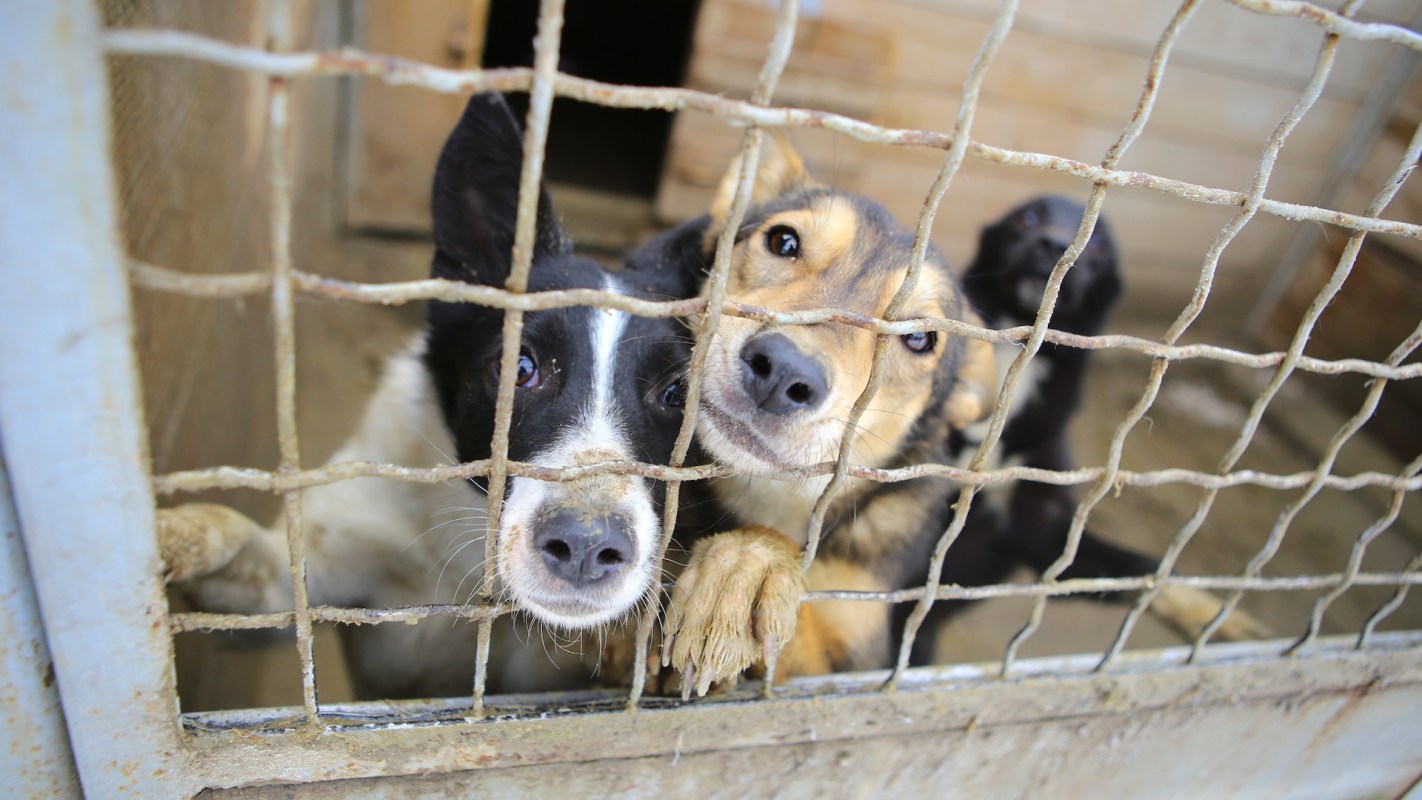
Indiana's Columbus Animal Care Services and the Bartholomew County Humane Society have reached maximum capacity for dogs, and they are now asking residents to help by adopting, fostering, or otherwise stepping in this month.
To help ease the strain, both shelters are offering special adoption promotions through July aimed at making it easier for people to take a pet home.
What's happening?
Both organizations say they have no remaining dog space this summer, according to The Republic.
At CACS, adoption fees have now been waived for dogs older than six months through the end of July, but the shelter is still following its standard review process.
This standard review process includes checking veterinary history, confirming landlord approval for renters, and reviewing do-not-adopt lists. Adopted dogs also leave the shelter spayed or neutered, microchipped, and current on age-appropriate vaccines.
Since the reports of overcrowding are centered on dogs rather than cats, cats are still available through CACS for the regular $80 adoption fee.
TCD Picks » Quince Spotlight
💡These best-sellers from Quince deliver affordable, sustainable luxury for all




With help from the BISSELL Pet Foundation's Empty the Shelters event, the Bartholomew County Humane Society has also reduced adoption fees for most animals from $120 down to $50 through July 26, per The Republic.
Similar to CACS's promotion, puppies and legacy breeds are not part of BCHS's price reduction.
Why does it matter?
When shelters reach capacity, it adds pressure on staff, volunteers, and the animals themselves. Overcrowding can limit the space, attention, and flexibility shelters have as they try to match pets with the right homes.
These events also give families a chance to bring home a pet at a much lower upfront cost. Because the animals are already spayed or neutered, vaccinated, and microchipped, the promotions can make adoption more affordable without sacrificing care.
Long before this latest surge, space was already a problem at CACS. The current building is only 4,900 square feet and regularly holds more than twice the number of animals it was designed for, according to The Republic. This means that a spike in intakes can quickly turn into a space crisis.
What's being done?
For now, both organizations are trying to get dogs out of overcrowded shelter space and into homes.
Nicohl Birdwell Goodin, director of CACS, said that fostering is another way that people can help, even if they can only take a dog in for a few days instead of weeks or months, according to The Republic.
Even brief foster placements can give animals a break from the shelter while helping staff learn more about how a dog acts in a residence, which helps in finding the right forever home. The shelter also provides the supplies that foster families need.
People who cannot foster or adopt can still help through volunteering. CACS is currently seeking assistance with dog walking, cleaning, cat socializing, and event planning.

Get TCD's free newsletters for easy tips, smart advice, and a chance to earn $5,000 toward home upgrades. To see more stories like this one, change your Google preferences here.






