


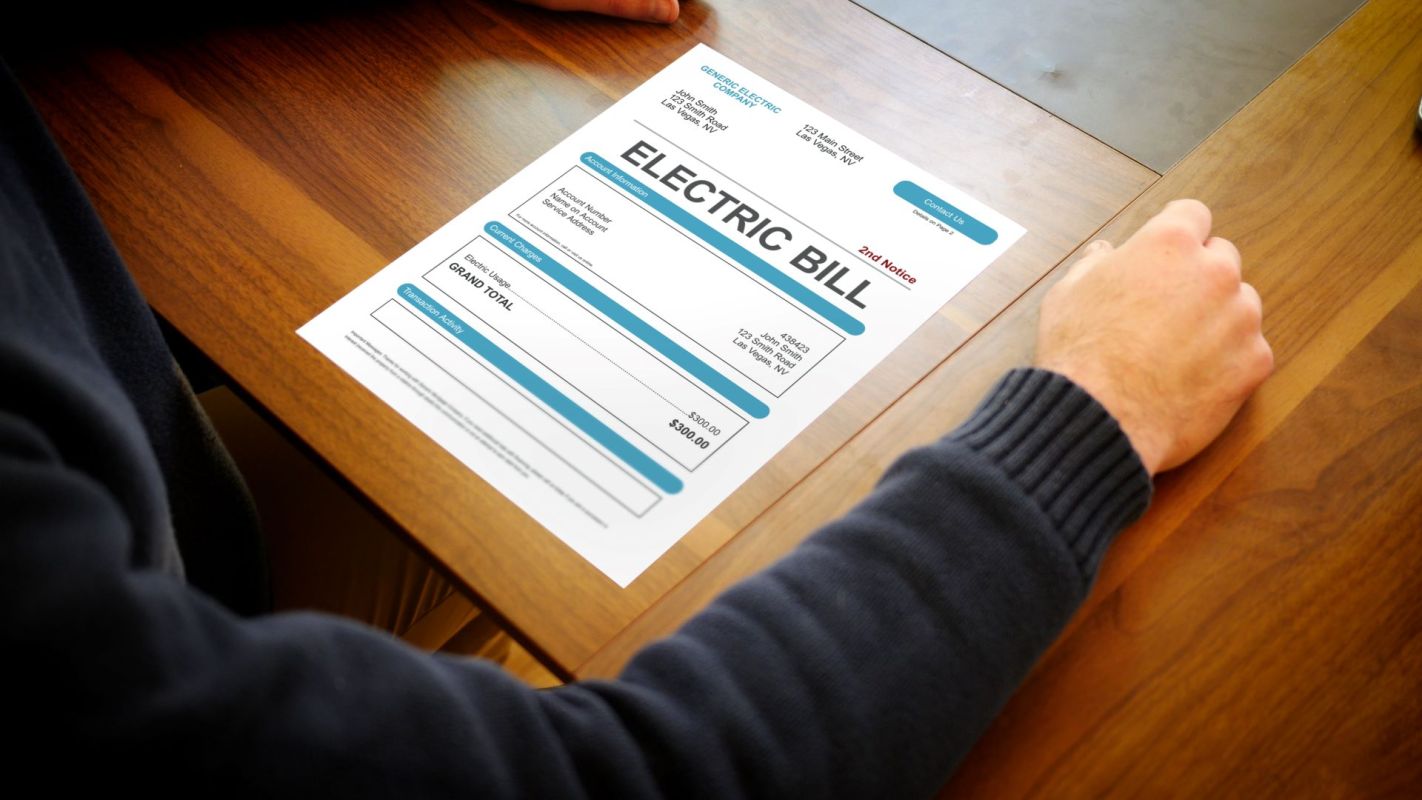
An Indiana homeowner who pays up to $650 a month for electricity expected solar quotes to offer relief. Instead, three installers returned estimates ranging from $70,000 to $90,000.
Here's what to know
In a Reddit post, the homeowner said three installers had each produced estimates in nearly the same price band, even though they asked for versions with and without battery storage. According to the post, the house is about 2,100 square feet in northwest Indiana, and every quote landed between $70,000 and $90,000.
They also said the electric portion of the home's combined utility bill is usually about $400 to $650 a month. Using the quote figures, the homeowner calculated that financing the panels and installation alone would cost "about $400 a month" for "15+ years" — and that estimate still did not include a battery.
When commenters asked for more information, the OP described a setup more in line with a $27,000 to $35,000 install cost (without the battery) than something anywhere near $70,000 according to EnergySage data for Indiana specifically: "They are quoting me 29 panels of LR4-60HPB-355M on a consumption average of 8852 KW a year. 29 inverters from solar edge."
Installing 29 of that brand of panels should total to about 10.3 kilowatts, and EnergySage pins the average 10-kilowatt solar system in the state to a cost of about $27,000, including the cost of inverters and all other equipment. There could be other factors related to upgrading the electrical panels or complicated roofing challenges, but with just that 29-panel array and no battery, the install cost shouldn't push too much further beyond.
Electricity prices are not as bad in Indiana as some other states, but EnergySage still expects those in the state to see a solar installation fully pay for itself and then save nearly an additional $17,000 on average over 25 years. In some states with electricity prices north of 30 cents per kWh, like New York, the average savings go past $50,000 (on top of paying for themselves).
Several replies argued that the companies seemed to price the systems based on the family's current power bill rather than the actual cost of the work and equipment, and that the cost was out of line with what's normal — barring a very unusual roof situation or some other factor. One of the best ways to check on prices, beyond getting multiple quotes the old-fashioned way, is to try a service like EnergySage to get free solar installation estimates and compare quotes in a centralized, transparent hub.
They said they requested both storage-backed proposals and panel-only proposals, but still concluded, "I just don't see how it makes sense at that price." Because adding a battery would push the total even higher, much of the discussion focused on panel pricing before storage entered the equation.
Save $10,000 on solar panels without even sharing your phone number Want to go solar but not sure who to trust? EnergySage has your back with free and transparent quotes from fully vetted providers that can help you save as much as $10k on installation. To get started, just answer a few questions about your home — no phone number required. Within a day or two, EnergySage will email you the best local options for your needs, and their expert advisers can help you compare quotes and pick a winner. |

After the OP detailed their power usage, helping to explain some of the temptation to get a lot of panels, the user said, "Unless you're also charging one or more EVs, those numbers are extraordinarily high for a 2,100 sq foot home."
Another suggested, "Get an energy audit for the home. Then do the things they list as being the most impact."
Ultimately, the consensus was that the homeowner should take a combined approach of reducing usage, perhaps improving insulation and evaluating HVAC efficiency, and getting more solar quotes from reputable installers, even if that means trying ones from farther away in the area who are still licensed in the state.
What can be done?
Going solar is one of the best ways to save money on home energy, but only when the math makes sense.
More From EnergySage
💡Go deep on the latest news and trends shaping the residential solar landscape




That is also where quote-comparison tools can make a difference. With EnergySage's help, the average person can save up to $10,000 on solar purchases and installations. EnergySage's solar map shows the average cost of a home solar panel system by state, along with details on solar panel incentives for each state. Together, those resources can help homeowners get the best price for rooftop solar panels and access available incentives.
Adding battery storage to a solar setup is one of the best ways to protect your home during outages, save money on energy, and go off-grid. It can also change a project's economics, which is why it is worth comparing storage options separately from panel-only proposals. Homeowners can explore EnergySage for information about home battery storage options, including competitive installation estimates.
Where can I learn more?
Homeowners dealing with steep solar quotes and high utility bills can find more context in these stories. They show how incentives can lower upfront costs, what drives installation pricing, and how much savings solar can deliver.
• Near Chicago, a homeowner saw Illinois incentives cut net costs on a $37,000 solar quote.
• EnergySage COO Charlie Hadlow broke down what really drives solar pricing for homeowners.
• A new homeowner learned the first bill still hit $420 despite rooftop panels.
• Across the U.S., homeowners can save $50,000 with rooftop solar while incentives last.

Get TCD's free newsletters for easy tips, smart advice, and a chance to earn $5,000 toward home upgrades. To see more stories like this one, change your Google preferences here.






