


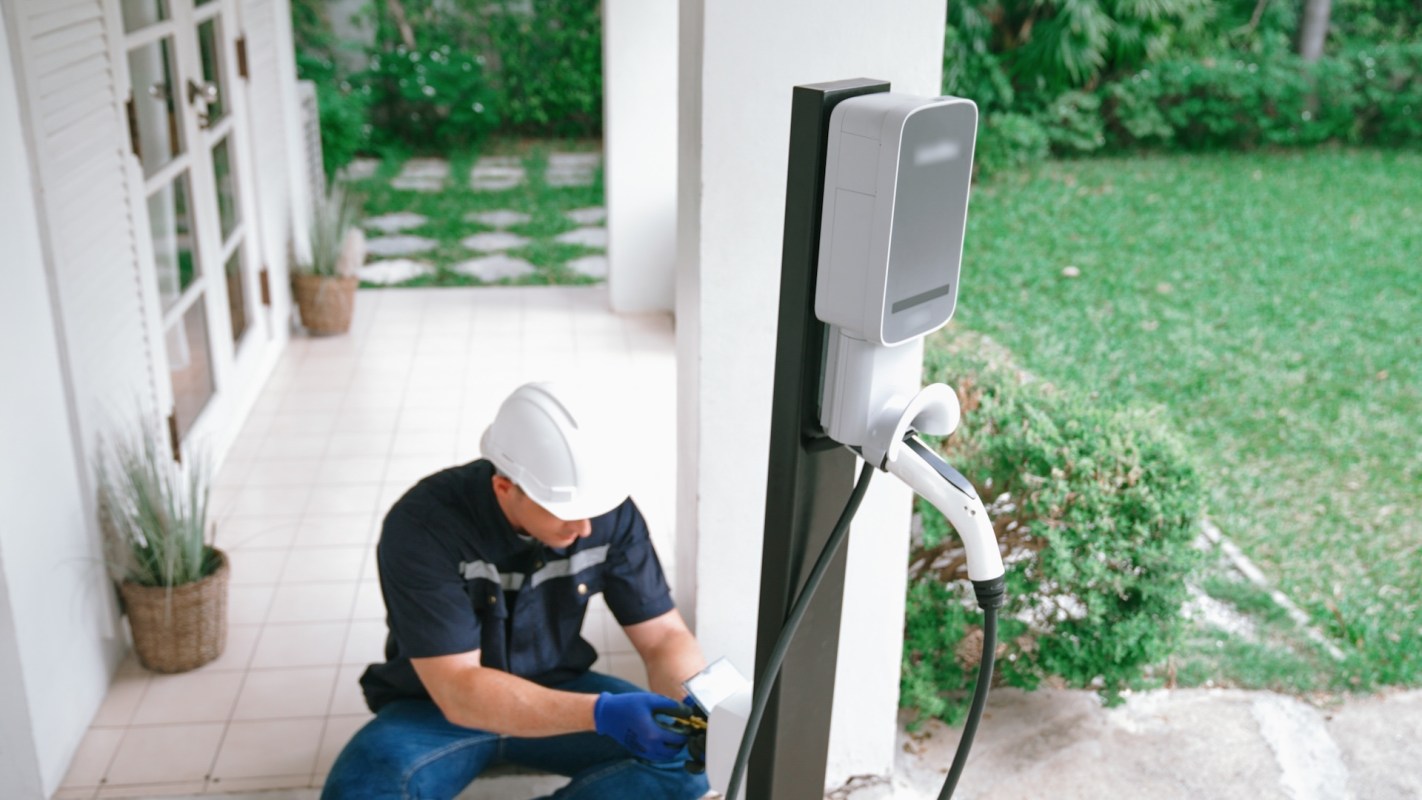
A homeowner in Indiana thought getting a permit for a Level 2 EV charger installation would be easy. Instead, the bigger challenge became figuring out who to trust after multiple licensed electricians told the homeowner a permit wasn't required, contradicting the homeowner's understanding of local rules.
Here's what to know
A faster home charger can make EV ownership much more convenient and often less expensive than relying on public charging, but unpermitted electrical work can create serious complications later, especially during an insurance claim or home sale.
Seeking to avoid expensive headaches down the road, the homeowner turned to Reddit's r/askelectricians forum, where they explained their situation.
According to the Reddit thread, the original poster sought estimates from three electricians for a home Level 2 charger, with the permit issue becoming a sticking point with all of them.
"I've gotten quotes from 3 electricians in my area of the state (IN)," the OP explained. Two of the companies initially agreed to handle permitting, then suddenly changed their position when they arrived to do the work.
When the homeowner followed up with the companies involved, master electricians at two of the companies also told the OP that permits weren't needed. According to the post, the master electricians believed that, because the installation was a small job priced at roughly $600 to $700, it "will never be inspected" and that "there's no need to pull a permit."
TCD Picks » Quince Spotlight
💡These best-sellers from Quince deliver affordable, sustainable luxury for all




However, OP believed that Indiana code required a permit for residential Level 2 charger installations.
Some commenters summed the situation up as a matter of time and money.
"Basically you can get the EV charger today for $600, or in 3 months for $2k," wrote one.
However, several other replies suggested going directly to local permitting authorities instead of relying only on what contractors said. One commenter wrote that the "easiest way to find out is to look up the permits website for your area or call them and ask if it would be needed."
Insurance was another key consideration for homeowners. After one commenter argued that permits mainly create paperwork, another responded, "You're not wrong, but wait until you have to fight your insurance company because you had unpermitted electrical work done."
Additionally, the OP noted that the house might be sold soon, creating another level of concern.
What can be done?
Commenters generally agreed that the OP should verify permitting requirements independently through the local permits website or by calling the permit office, rather than taking a contractor's answer as final.
As one commenter put it, "In the end the risk and consequences of not having a required permit is yours."
Where can I learn more?
Questions about home EV chargers often extend beyond city permits to HOA rules and insurance requirements. These stories follow homeowners dealing with delayed installations, coverage demands, and approval fights.
• A homeowner hit a $1 million insurance requirement before an EV charger could move forward.
• One resident weighed legal action after HOA delays property upgrade plans for years.
• In an HOA community, owners argued over footing the bill for charger installation.
• A homeowner and HOA clashed after a MacGyvered EV charging workaround raised safety concerns.
• Another homeowner ran into a ridiculous HOA insurance rule blocking charger approval.

Get TCD's free newsletters for easy tips, smart advice, and a chance to earn $5,000 toward home upgrades. To see more stories like this one, change your Google preferences here.






