


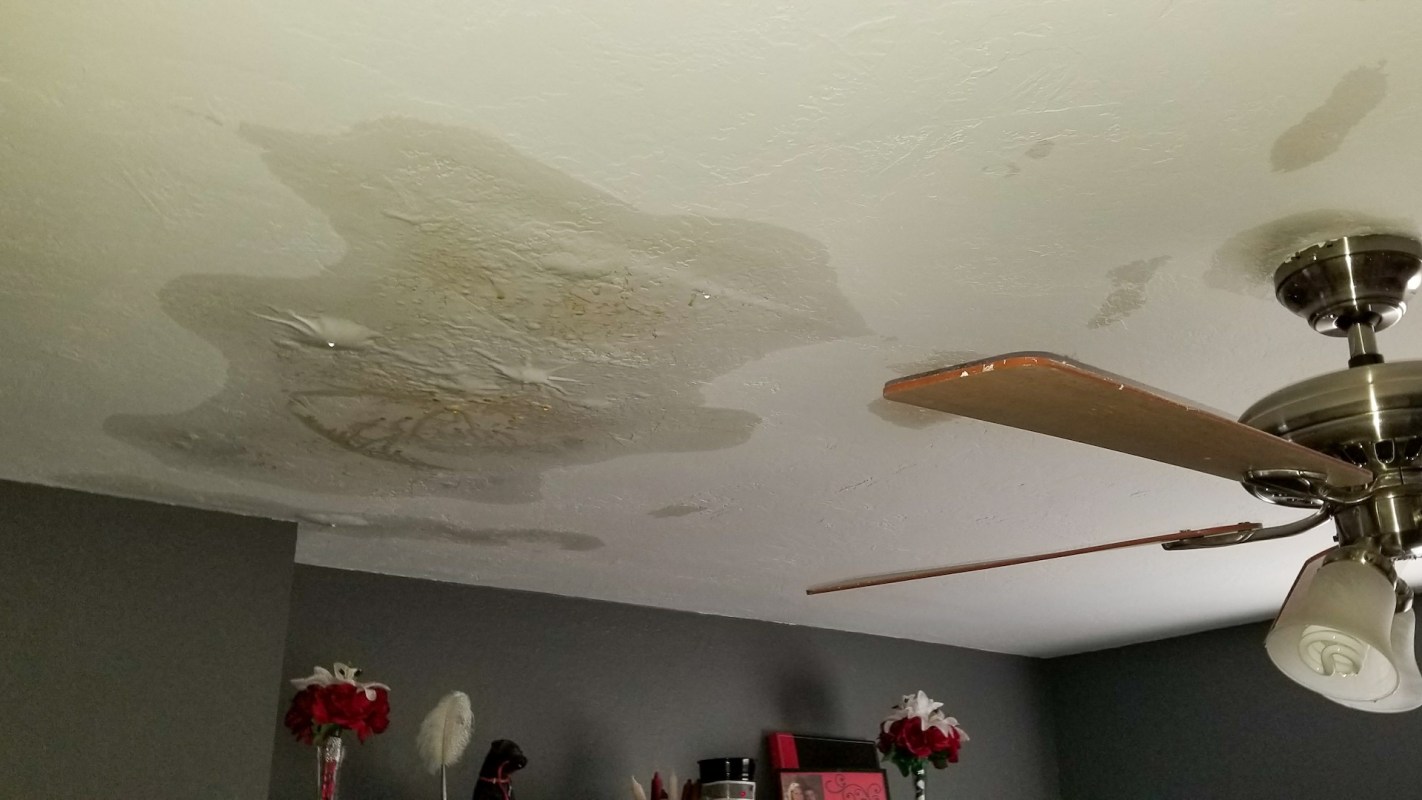
Selling a home can feel final once the paperwork is signed, but one Indiana seller found that some disputes can arrive even after two years have passed.
Here's what to know
The homebuyer's boyfriend threatened legal action over a leaking roof, bringing back a sale the resident believed had long been settled.
The seller took to Reddit's r/legaladvice community to ask what they should do about the situation.
The buyer used a USDA-backed loan, the original poster said, which made the sale take six months to complete. During that time, an inspection identified a few minor problems; the seller said those items were fixed and then approved by the buyer's lender before the deal closed.
"The only note in the inspection about the roof was that it appeared to be less than five years old and showed no obvious signs of damage," the OP wrote.
But the seller's agent reached out in September to ask for warranty details. The seller had left that information in a folder on the kitchen counter for the buyer. In another conversation, however, the buyer's boyfriend claimed there was no roof paperwork and that the work looked like it had been done by the homeowner rather than a professional.
TCD Picks » Quince Spotlight
💡These best-sellers from Quince deliver affordable, sustainable luxury for all




"My agent said he ended the call as soon as the guy mentioned taking me to court," the OP noted.
More background
Commenters told the poster that a threat of a lawsuit is not the same as a lawsuit and that the inspection and lender approval were more important.
"You're fine," one wrote. "We sold our house three years ago and got the same scary call about the roof leaking. Our agent told us the exact same thing: Don't talk to them directly, let the agents/lawyers handle it. You disclosed what you knew, the inspector said the roof was good, and the lender signed off on it. That's all on record. After 2+ years, a leak is just normal homeownership, not your fault. And if you DID leave the warranty folder, that's on them for losing it."
Another said: "Do nothing until you are served. If you are served, if it is a small claims case. Gather your evidence, go to court, and they will sort it out. If it is not a small claims case, hire a lawyer and do what they tell you. That's it."
What can be done?
Holding onto invoices, disclosure forms, inspection reports, and warranty information long after a sale closes can show what was repaired and what was disclosed during the transaction.
Relying on intermediaries can also help when emotions run high. The seller said their agent recommended not speaking to the buyer if contacted, and commenters backed that advice.
"Cut off/make no contact with people saying they are going to sue you," the one who advised "Do nothing" added.
If legal papers arrive, you can shift from ignoring the threat to organizing records and seeking counsel.
Where can I learn more?
Homeownership disputes can escalate when expensive problems surface.
• In an upscale beach neighborhood, one resident fought their HOA on solar panels and won.
• A buyer considered suing after uncovering a seller's lies about Japanese knotweed on a disclosure form.
• A property owner faced a disturbing easement demand from a neighboring mobile home resident.

Get TCD's free newsletters for easy tips, smart advice, and a chance to earn $5,000 toward home upgrades. To see more stories like this one, change your Google preferences here.






