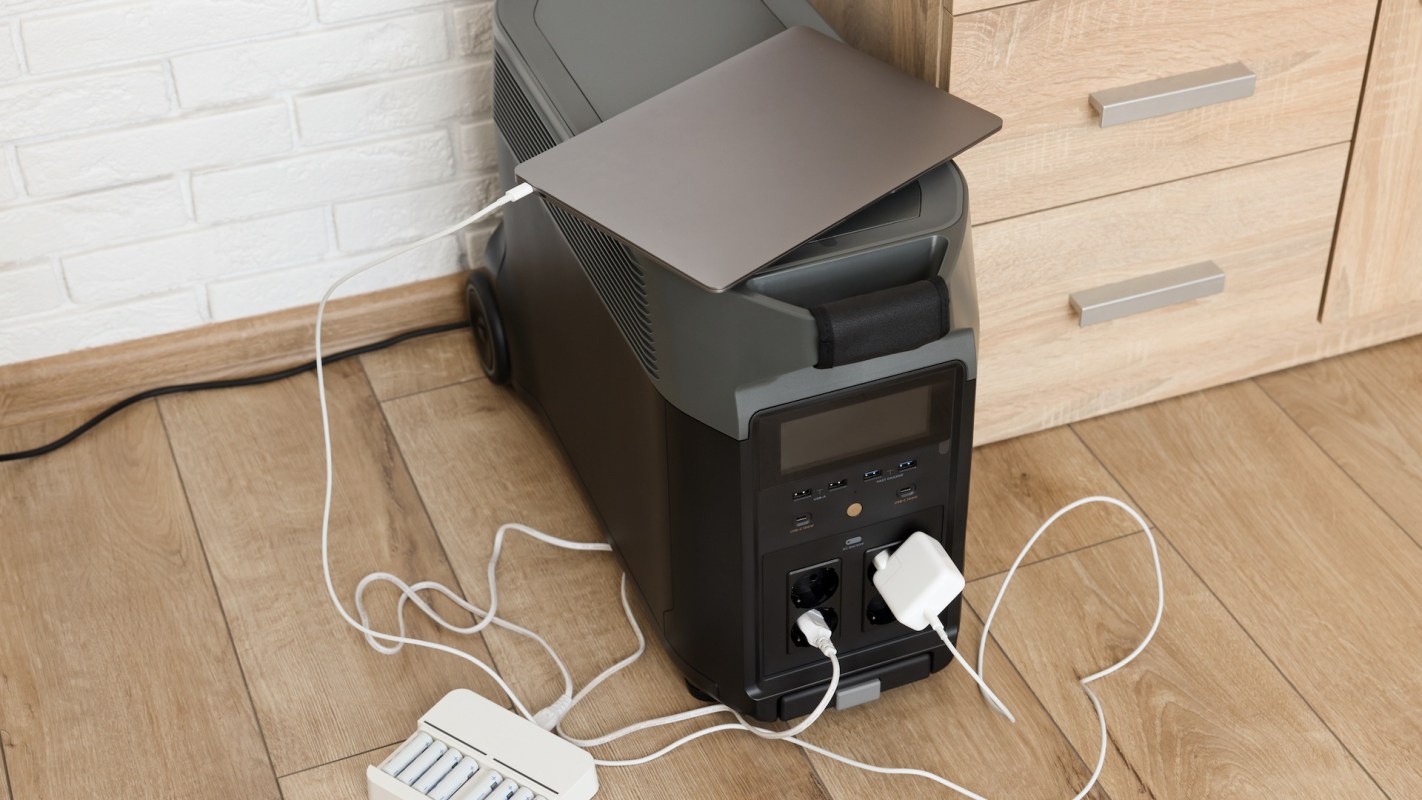
After a prolonged power outage in Northwest Indiana, one couple went looking for an "indoor generator" that could keep a sump pump, refrigerator, and a few lights running.
What they got instead was a practical lesson in backup power and a reminder that the cheapest setup is not always the most obvious.
Here's what to know
In a post to Reddit's r/Generator community, the original poster wrote, "With the recent storms that knocked out power in Northwest Indiana for over a week, my wife and I are looking for an indoor generator to power a sump pump and the essentials."
Several users immediately jumped into the comments section to explain that the indoor product the couple had in mind is generally called a power station, not a generator. As one commenter put it, "Please use 'power station' for a battery system and 'generator' for combustion based to alleviate confusion."
Commenters also stressed that a battery backup does not generate new electricity on its own, but stores electricity that has already been charged into it. In one reply, a user wrote, "A battery generator aka solar generator is just a big box full of batteries and a 110v outlet on the side." Once that stored power is gone, the unit has to be recharged from wall power, solar, an outdoor gas or propane generator, or by taking it somewhere with electricity.
That left the couple facing the reality that if they wanted an indoor-only setup that could last through a long outage, they would likely need to spend much more on a larger battery system.
TCD Picks » Quince Spotlight
💡These best-sellers from Quince deliver affordable, sustainable luxury for all




More background
The discussion highlights how confusing backup power shopping can be for households trying to protect their essentials during major storms.
A sump pump may not run continuously, but losing it during heavy rain can lead to costly water damage. Add a fridge, lights, and a router, and the power demand starts climbing quickly.
The price ranges shared in the thread help explain why many people end up considering a blended setup instead of batteries alone. One commenter said about 48 hours of battery backup could cost "$2,000-$3,000 and up." Other Redditors estimated roughly $500 for a 1,000Wh power station, around $700 for a 2,000Wh, and about $1,000 for a 3,000Wh model, though actual prices can vary.
Several replies pointed toward a middle-ground option, using a mid-sized power station indoors and recharging it with a smaller outdoor inverter generator. A much more built-out home battery route was compared to a Tesla Powerwall, with one commenter warning, "you're not going to want it when you see the price."
Instead of planning around every appliance in the house, commenters suggested starting with the true essentials. In the thread, one commenter advised, "Figuring out the bare minimum you need to run and an estimate of how many watts each item uses will help determine what size would fit your needs."
Where can I learn more?
These stories give a clearer picture of where backup power is heading. They show how homeowners and energy companies are making it cleaner, easier to use, and sometimes less expensive to install — and why longer outages often push people from portable power stations toward full home batteries or even EV-based backup.
• Homeowners are rethinking old generators as next-gen battery systems bring quieter indoor backup.
• Energy experts say backup solar and batteries offer resilience a fuel-only generator cannot.
• Some hurricane-prone households now treat an EV as a backup power source instead of running generators.
These stories underscore the same lesson that came up in the Indiana couple's search: that outage planning is not just about how long a battery lasts. Recharging, installation, and total cost usually matter just as much.

Get TCD's free newsletters for easy tips, smart advice, and a chance to earn $5,000 toward home upgrades. To see more stories like this one, change your Google preferences here.