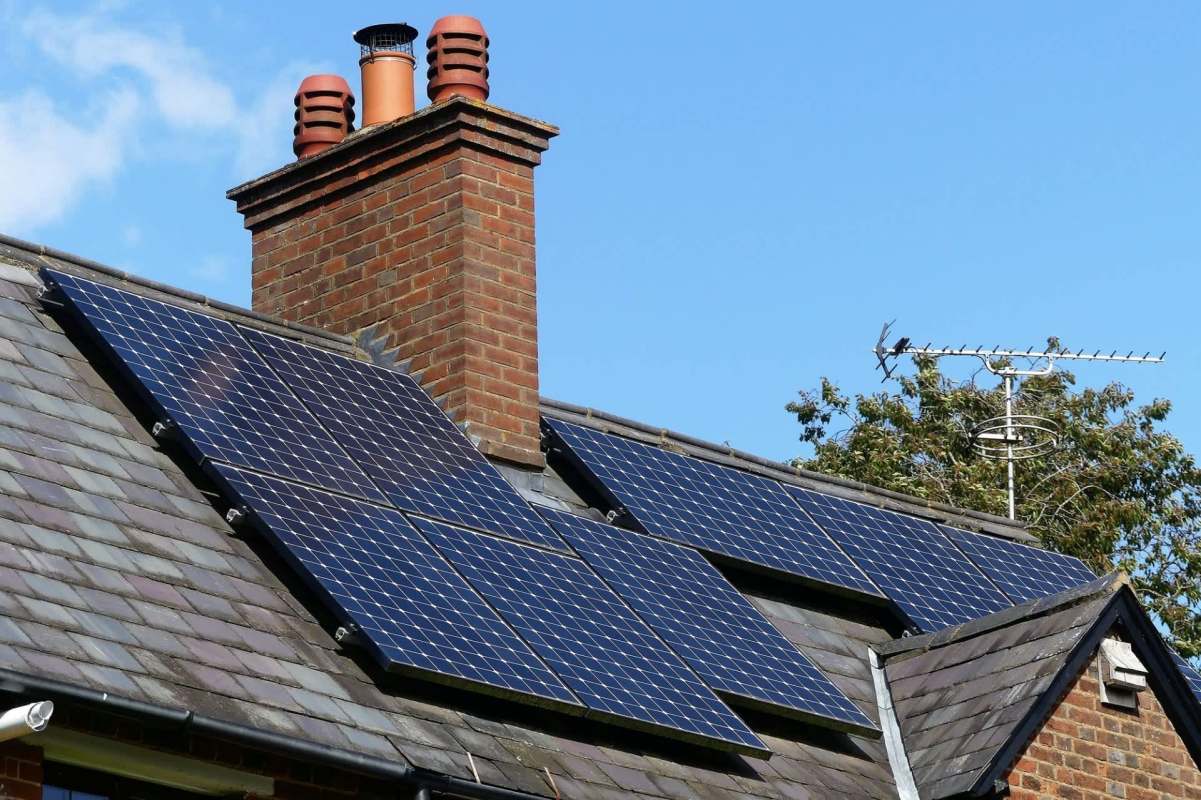
Going solar is one of the best ways to save money on your home energy bills, especially if the system on your roof is already paid off. Homeowners exploring their options can use EnergySage to get quick solar installation estimates and easily compare quotes.
That helps explain why one Illinois buyer was so frustrated: after taking over a home with rooftop solar already in place, their first electric bill showed that the system still needed an important step to be connected to the grid.
What happened?
In a recent r/solar community discussion, the homeowner said the solar setup came with the house and was "fully paid off." Only after receiving that first bill did they realize that "I needed to do some things to connect the solar to the grid (I had no idea of this)."
They said the home is in Illinois under ComEd service, and that the company that originally installed the panels, SunPower, is now out of business.
Without the original installer available, they were left trying to sort out which paperwork or utility requirements still had to be completed so the system would be set up properly.
They also said that "some rules changed," which added to the confusion.
Why does it matter?
A paid-off solar system can be a major money-saver, but only if it is properly connected and credited by the utility. If a system is generating electricity without the proper setup, homeowners could miss out on lower bills or export credits that would otherwise help reduce monthly energy costs.
Inheriting solar panels is not always as simple as flipping a switch, especially when the original installer has shut down or the property has changed hands.
Save $10,000 on solar panels without even sharing your phone number Want to go solar but not sure who to trust? EnergySage has your back with free and transparent quotes from fully vetted providers that can help you save as much as $10k on installation. To get started, just answer a few questions about your home — no phone number required. Within a day or two, EnergySage will email you the best local options for your needs, and their expert advisers can help you compare quotes and pick a winner. |

Solar systems can provide years of low-cost electricity, and getting the utility side sorted out could translate into real savings compared with paying full price for grid electricity while rooftop power goes underused.
What can I do?
Homeowners in a similar position may want to start by contacting the utility company to find out exactly what is required. It can also help to gather any documents left behind by the seller. If the original installer is no longer operating, a local solar service company or electrician may be able to inspect the setup and identify what is missing.
For readers starting from scratch, EnergySage's solar map shows the average cost of a home solar panel system and solar panel incentives for each state. Together, those resources can help readers get the best price for rooftop solar panels and access available incentives.
EnergySage's free services can also be especially helpful when homeowners need clarity on pricing, repairs, or replacement options. With EnergySage's help, you can save up to $10,000 on solar purchases and installations.
More From EnergySage
💡Go deep on the latest news and trends shaping the residential solar landscape

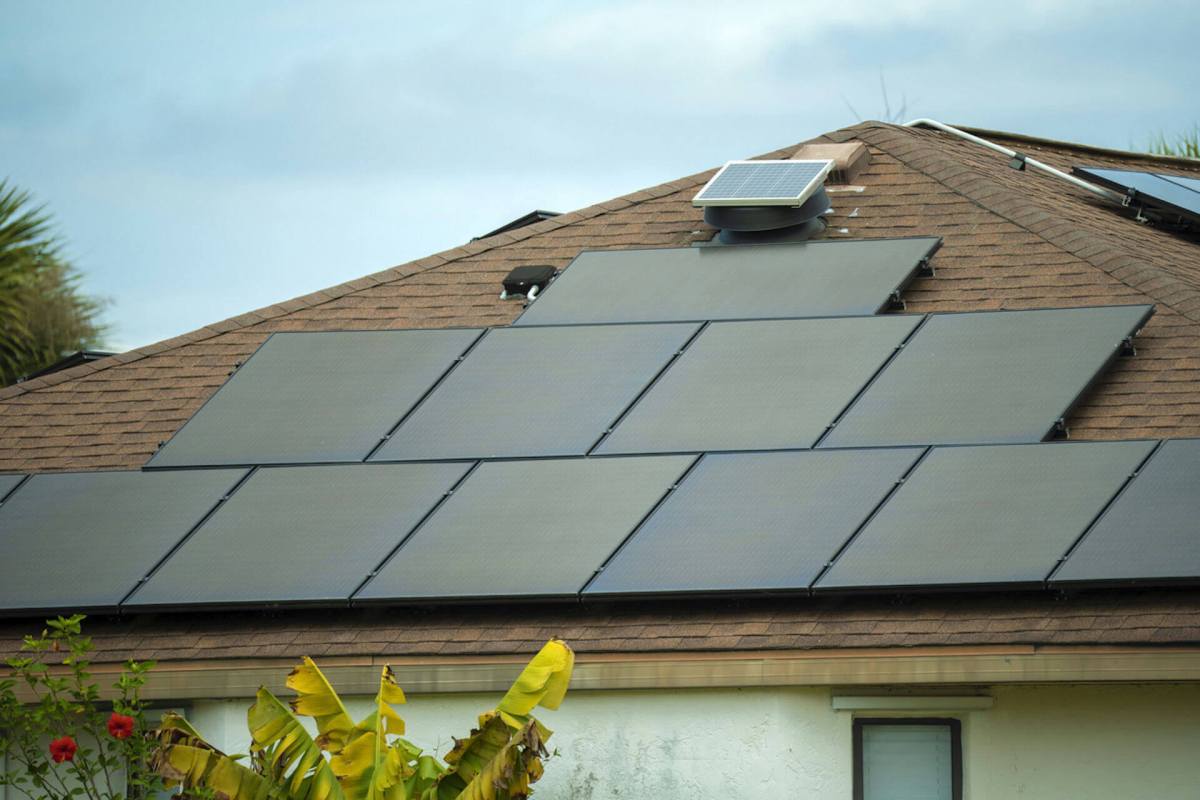

Adding battery storage to a solar setup is one of the best ways to protect your home during outages, save money on energy, and go off-grid. Homeowners who want backup power can explore EnergySage for free information about home battery storage options, including competitive installation estimates.
For this Illinois homeowner, the goal was straightforward: "I just want to make sure I do it right!"

Get TCD's free newsletters for easy tips, smart advice, and a chance to earn $5,000 toward home upgrades. To see more stories like this one, change your Google preferences here.