


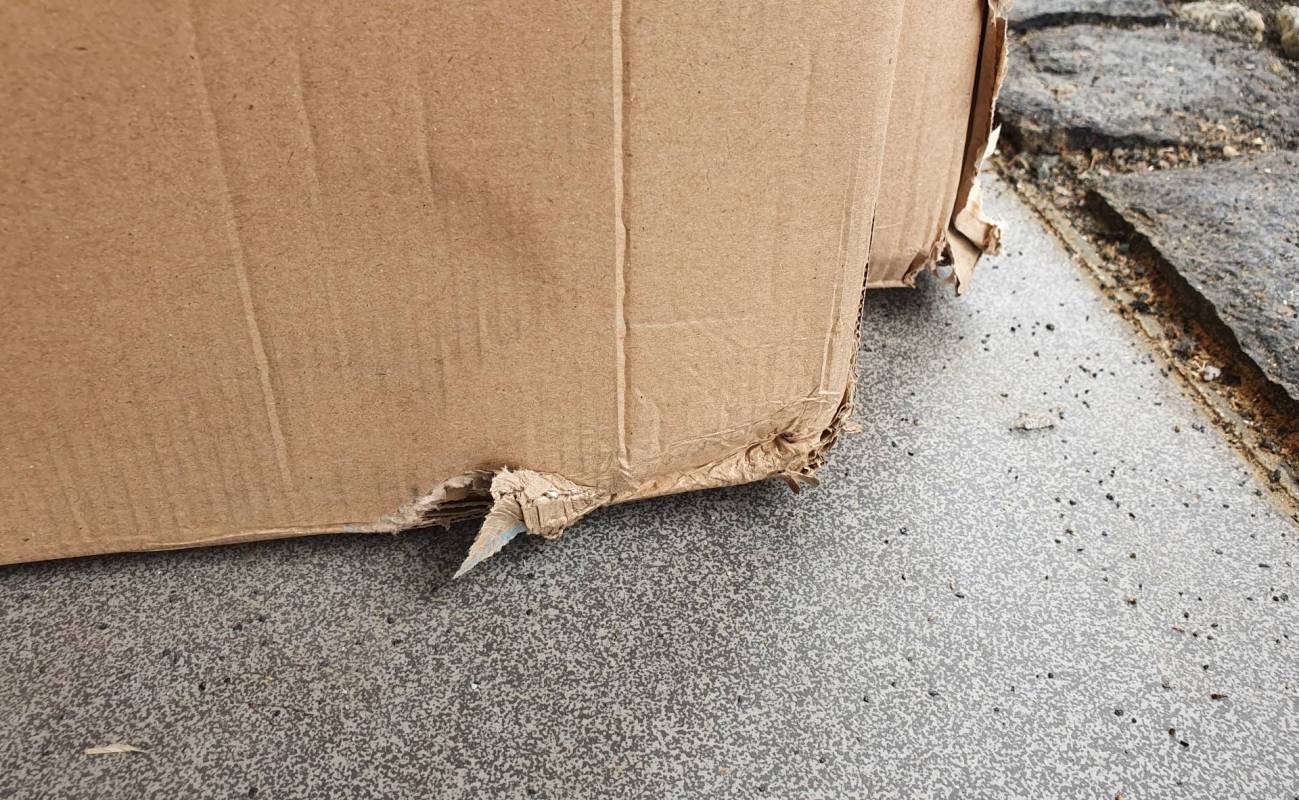
A Chicago homeowner who bought a Champion 4500/3250 dual-fuel inverter generator four months ago said the unit is still unopened in its original box and asked whether they need to "break in" the generator or if it's OK to leave it in the box.
The generator was bought after repeated neighborhood outages, and the homeowner is heading into wintertime, which they described as "pretty rough winters."
Here's what to know
The homeowner said, in a Reddit post, that the generator was intended to run "1 refridgerator/freezer, 1 stand-up freezer, and 1 sump pump," according to the Reddit thread. They also said they bought it after local outages but left it boxed because the neighborhood hadn't lost power again.
Commenters said that was a readiness issue, arguing that backup power is far less dependable if the generator has never been started, checked, or broken in before an outage hits.
One commenter asked, "Why would you not take it out of the box, add oil, and run on propane and make sure it works, break it in, run with various small loads versus being potentially surprised later that it might not actually work in an emergency?"
The original poster explained the hesitation this way: "Because the reality is that I'm not super mechanically inclined, I'm just a regular guy trying my best to figure shit out as I go. That's why I asked here, I figured you guys as a collective group would know what to do."
TCD Picks » Quince Spotlight
💡These best-sellers from Quince deliver affordable, sustainable luxury for all




Another commenter pointed to the time constraints on returns and guarantees: "Hopefully if it is bad you are still in the return window."
More background
The poster said outages there tend to happen during "the peak of the summer," and later clarified that "June/July/August is our tornado/heavy storm season."
For a household trying to protect refrigerated food and keep water out of the basement, a generator can be extremely useful during a storm outage, assuming it's ready to run.
Users, however, said dual-fuel capability does not need to be practiced ahead of time. In the thread, one commenter said propane was "perfectly fine" for break-in, while another said gasoline "only adds more steps for storage" unless the owner wants to test both fuel options.
Commenters urged the poster to keep 20-pound propane tanks, several quarts of the correct oil, spare spark plugs, and heavy-gauge extension cords long enough to reach the appliances that matter most on hand.
What can be done?
The advice was to stop waiting and do a trial run before the storm season: open the box, follow the manual, add oil, and test the generator under load. As one commenter put it, "run it, test it, familiarize yourself with with it," adding that "Trying to learn about it during an outage is difficult."
Another commenter suggested using a portable heater as "an easy, high load device to test with. A hair dryer or heat gun works well also." Another commenter had suggested starting on propane, letting the generator run briefly without a load, and then using an electric heater for staged testing.
Extension cords aren't the long-term answer either. One commenter suggested the poster could "look into getting an interlock and inlet installed" so selected household circuits could be powered more neatly during an outage.
The overall message was to learn the system before a real blackout. As one commenter put it, "It's a good chance the power will go out at night in the cold dark. Yes the generator will be fine in the box but you need to find out what you don't know and what you don't have to keep your lights and furnace working. It's easier to learn when you're not pressed into an emergency."
Where can I learn more?
Getting backup power ready takes more than just buying a generator. These stories look at generator safety concerns, backup power trade-offs, and newer options homeowners are considering.
• In Texas, a homeowner feared a 190-pound generator would be impossible to move at 2 a.m.
• Energy experts said backup solar and batteries can outlast generators during winter outages.
• Many families found home batteries avoid gasoline and the fumes older generators can bring indoors.
• Homeowners increasingly chose next-gen backup systems as generators became dirtier and harder to manage.
• After Hurricane Beryl, families confronted carbon monoxide poisoning risks that portable generators can create indoors.

Get TCD's free newsletters for easy tips, smart advice, and a chance to earn $5,000 toward home upgrades. To see more stories like this one, change your Google preferences here.






