


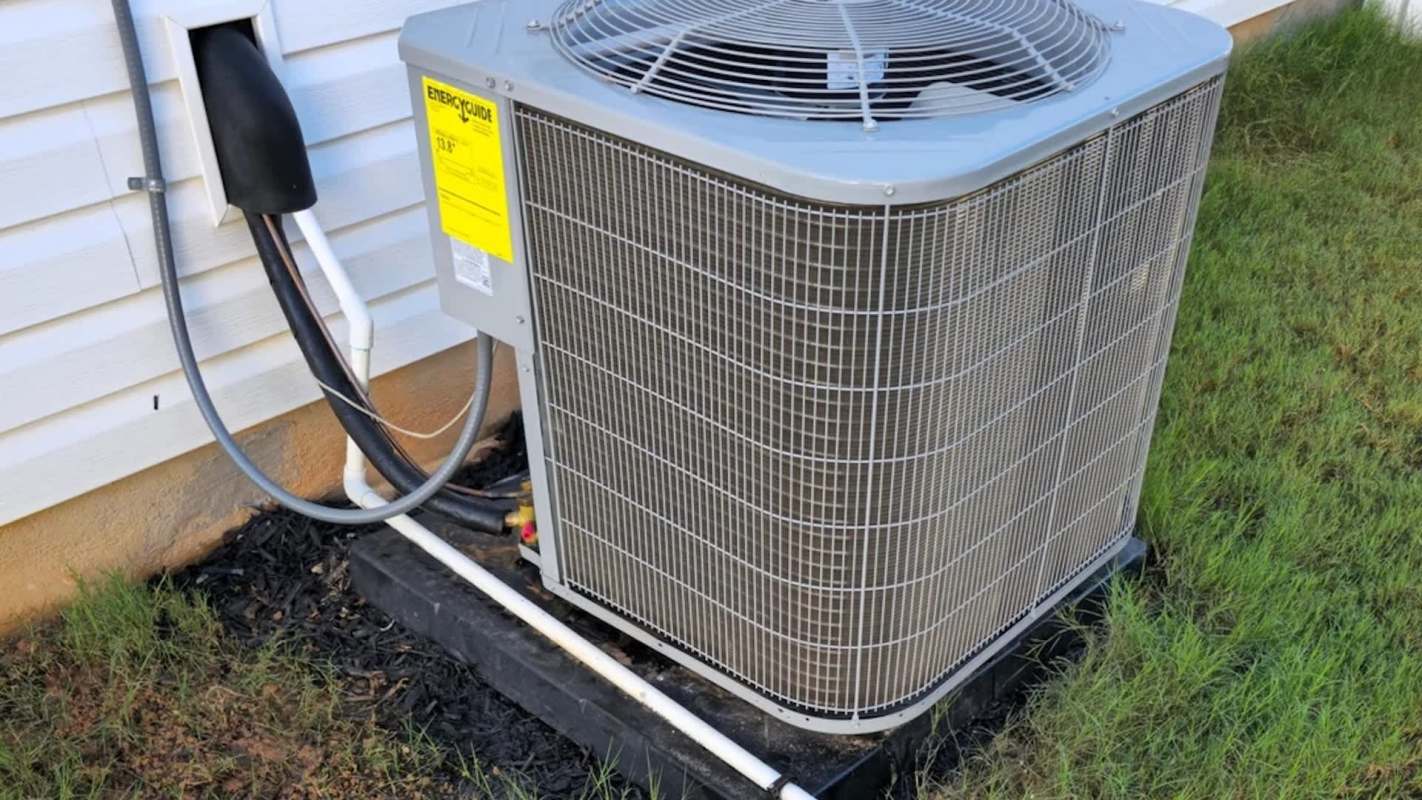
A recent homeowner asked Reddit whether the boggy ground around their HVAC unit was just normal condensate or a sign the property needed better grading.
What's happening?
In Upstate South Carolina, the owner of a newly built house wrote in a post on Reddit that the ground near the outdoor AC unit was "constantly soaking wet."
They were trying to determine whether adding mulch would help or whether the yard needed better grading instead.
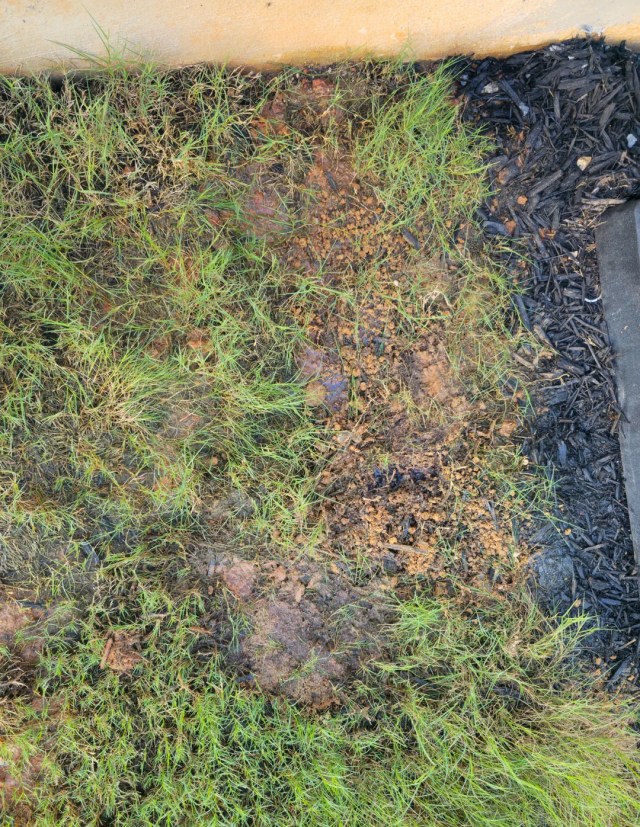

People replying to the post focused on drainage rather than mulch.
One commenter wrote, "Additional mulch may just serve to trap the moisture near the foundation," and suggested sending the condensate farther away with something like a French drain or a longer drain line.
Several users also told the homeowner to verify that the outlet in question was the primary HVAC drain, noting that construction debris can clog new systems and trigger backups.
The poster later responded: "I just submitted a warranty ticket for it with the builder."
Why does it matter?
Constant moisture near a home's foundation can become more than a minor annoyance. If water sits too close to the house for too long, it can contribute to soil shifting, lawn damage, pest problems, or more costly repairs, especially if the condenser pad begins to sink.
Save $10,000 on solar panels without even sharing your phone number Want to go solar but not sure who to trust? EnergySage has your back with free and transparent quotes from fully vetted providers in your area. To get started, just answer a few questions about your home — no phone number required. Within a day or two, EnergySage will email you the best options for your needs, and their expert advisers can help you compare quotes and pick a winner. Solar panels can save you more than $50k over their 25-year lifespan, and EnergySage can help you save as much as $10k on installation. Which begs the question — isn't that worth an email or two? |

HVAC choices can also have a major impact on both home comfort and monthly costs. Heat pumps are significantly more energy-efficient than traditional HVAC systems, and they provide both heating and cooling in one setup. Tax credits, rebates, and energy savings can make an upgrade more affordable.
Homeowners who want to compare equipment and installer options can start with EnergySage's Heat Pump Marketplace.
For people who do not need a whole-home replacement, Merino offers single-room, ultra-efficient HVAC systems at a lower price point. Its targeted heating and cooling option may appeal to homeowners trying to solve comfort problems without committing to a larger project.
What can I do?
Instead of masking the wet area, commenters mostly recommended changing where the condensate goes. Other ideas in the thread included a compact dry well filled with gravel to spread out absorption.
Because the house is newly built, another practical step is to document the soggy area and push for a warranty repair now. If bad grading or a drain-line error is part of the problem, getting the builder involved early could prevent later out-of-pocket costs.
A few people also raised the idea of reusing the condensate instead of letting it pool, including collecting it for plants during hotter weather to trim water use a bit.
Homeowners looking at broader energy upgrades can also use EnergySage to compare free solar quotes if they want to slash energy bills with solar. With EnergySage's help, the average person can get incentives for solar purchases and installations.
And if the soggy-HVAC saga leads to a bigger heating and cooling rethink, EnergySage's Heat Pump Marketplace can help homeowners compare options before signing a contract.

Get TCD's free newsletters for easy tips, smart advice, and a chance to earn $5,000 toward home upgrades. To see more stories like this one, change your Google preferences here.






