


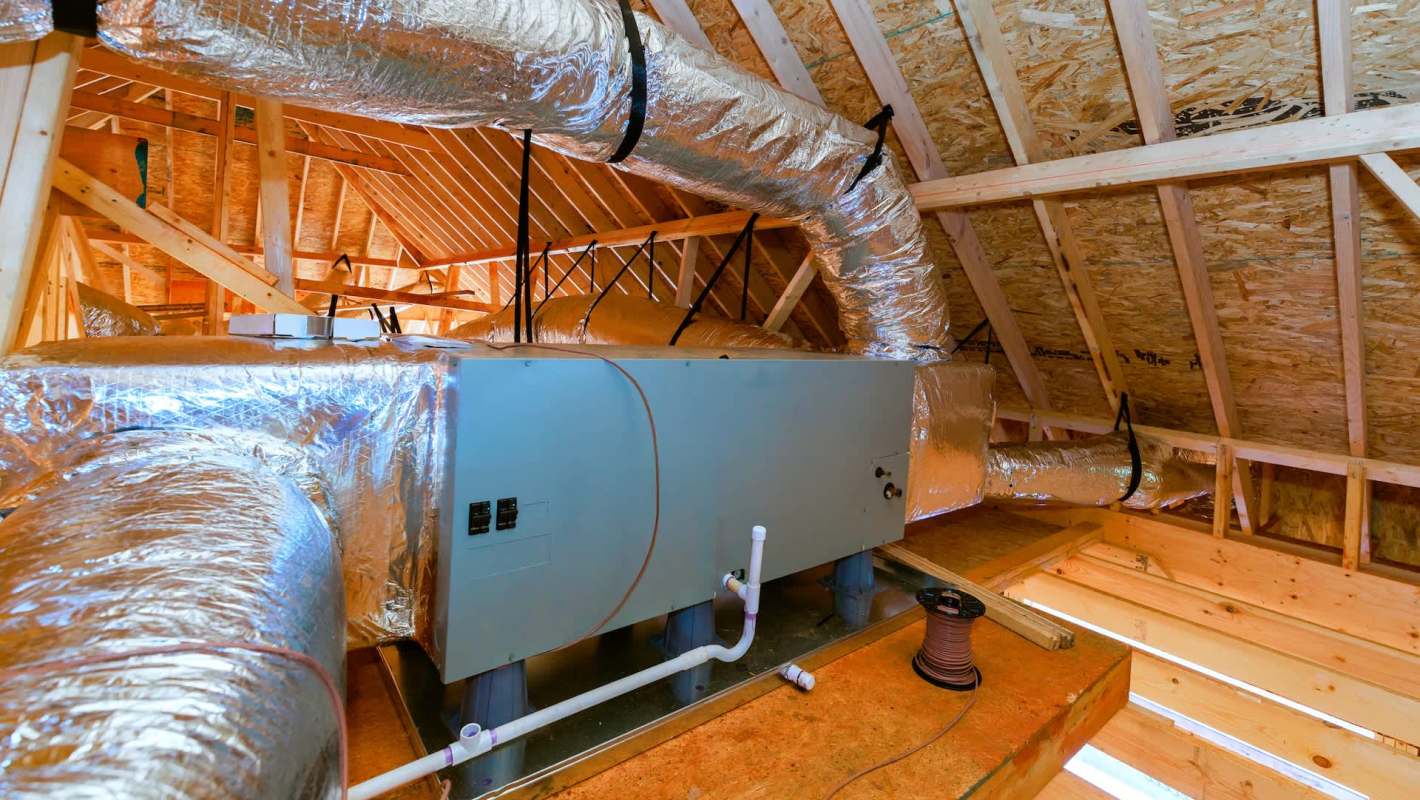
Even with a home and HVAC system that are both roughly two years old, one homeowner said the upstairs stops being comfortable when the outside temperature rises above 90 degrees.
Here's what to know
In a Reddit thread, the OP described being in a "recently purchased 2-year-old house with a 2-year-old HVAC system."
The homeowner said the system is falling well short of a commonly cited cooling benchmark.
"Yes, I know the '20 degree rule'. We are getting 13 upstairs if we are lucky," the OP said, suggesting the second floor remains much warmer than expected during hot weather.
A newer home does not always guarantee comfort or efficiency. Even in newer construction, problems with duct design, insulation, airflow balancing, refrigerant charge, thermostat placement, or system sizing can leave parts of a house struggling during extreme heat.
A system that runs constantly without properly cooling the space can also drive up electric bills.
If you are trying to figure out whether you need a repair, a redesign, or a full upgrade, Palmetto can help homeowners understand their HVAC options and slash their energy bills with new, efficient HVAC systems and heat pumps. Palmetto's Comfort Plan network can help you find efficient heating and cooling solutions for your home and connect you with vetted installers.
More background
Heating and cooling account for some of the biggest energy expenses in many homes. If an AC unit runs longer and still cannot maintain the set temperature, it can leave a house uncomfortable while driving up monthly costs due to poor performance.
Crushed by your bills? See instant solar savings from vetted installers in just a few clicks With energy prices through the roof, there's never been a better time to go solar — and EasyHome can help you find the best prices from the best installers in your area. EasyHome takes the guesswork and headaches out of energy upgrades by showing you estimated savings from a network of vetted local partners. To get started, just enter your ZIP and share a few details about your home — seeing your estimate is really that easy. |

That can be especially frustrating in a newer home, where buyers may expect major systems to work smoothly for years. But a house can still be "new" even with design or installation problems that only become obvious during the hottest days of the year.
Not every underperforming system needs to be replaced right away. In some cases, the issue may come down to airflow, duct leakage, insulation, or zoning. Still, if the equipment is mismatched to the home or simply inefficient, an upgrade can improve comfort while lowering ongoing costs.
Efficient electric systems, including heat pumps, are drawing more attention. They can heat and cool a home more efficiently, helping reduce both energy use and bill volatility over time.
What can be done?
A full evaluation can determine whether airflow, duct sealing, insulation, and system sizing are contributing to the problem.
If an upgrade makes sense, Palmetto offers another option. Through the Comfort Plan, you can explore efficient heating and cooling options, and if you're not ready to spend up front, it includes options.
You can also drive your utility costs even lower by pairing solar panels with electric appliances, such as efficient HVAC systems. EnergySage makes it easy to find the best solar system and installer for your home and budget — you can compare options.
Many Redditors agreed that the homeowner's system wasn't the right size.
One user said, "Bottom line, your HVAC system is too small."
Another commented, "Your best bet if you can't swing a 2nd system is to add enough window units to bring temps tolerable for the next couple of months."
Where can I learn more?
Uneven cooling in a newer home can come from the same HVAC problems other homeowners keep running into, from wiring mistakes to upstairs rooms that never seem to cool down. These articles also show why some people move past short-term fixes and start considering efficient electric upgrades that can improve comfort over time.
• One homeowner found bad wiring, not age, may have been behind hot air.
• A longtime Carrier system still left one upstairs room running 5 to 10 degrees hotter.
• Experts said serious health risks can make older gas-fueled HVAC upgrades feel urgent.
• In Germany, retrofits showed 200-year-old homes with heat pumps can stay comfortable, too.
• Historic buildings proved way better than we expected at staying cool naturally.
Comfort problems can come from the equipment, the design, or the house itself. That can help homeowners sort out whether they need a repair, better balancing, or a full system upgrade.

Get TCD's free newsletters for easy tips, smart advice, and a chance to earn $5,000 toward home upgrades. To see more stories like this one, change your Google preferences here.






