


A brand-new HVAC system is supposed to bring relief, not panic. But one homeowner's experience shows why it can pay to inspect a new installation after it is completed, especially when a mistake could put a purchase worth several thousand dollars at risk.
Here's what to know
After replacing their AC unit, a homeowner turned to Reddit when the new equipment began showing problems.
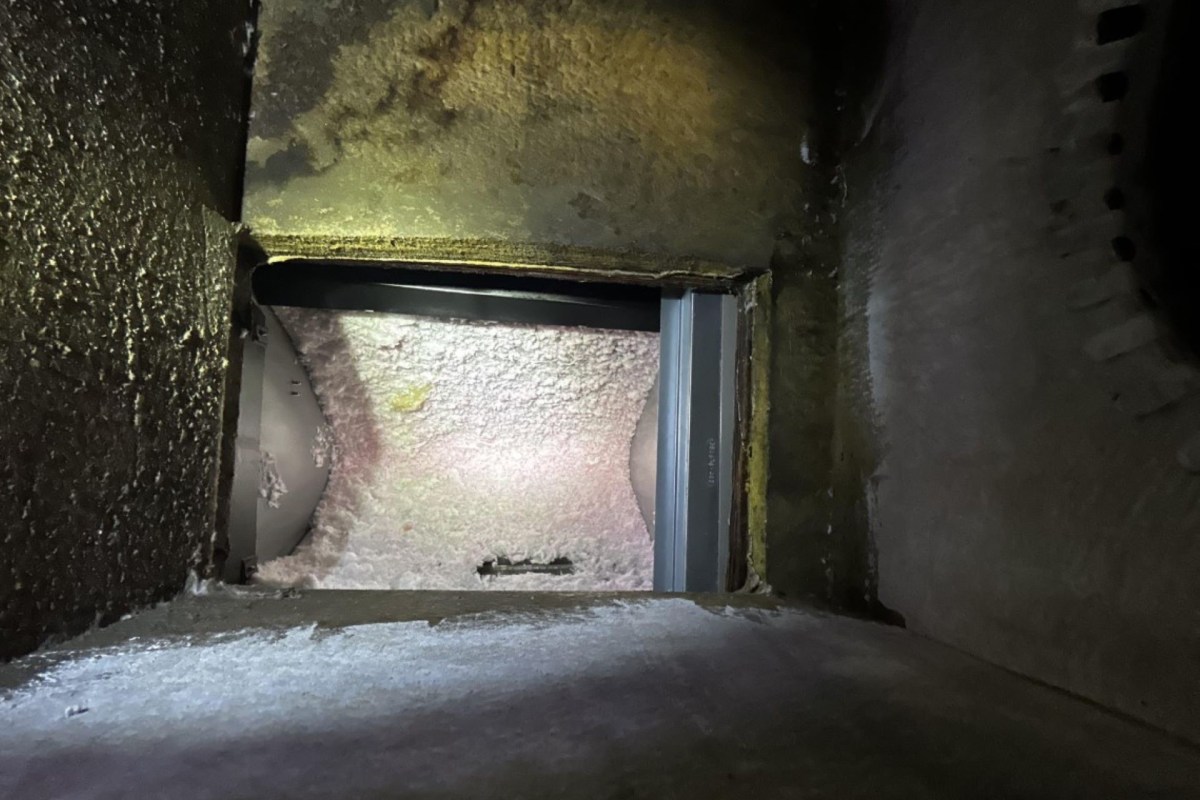
"Recently spent several thousand dollars on an entire new unit," the original poster wrote. The system was not cooling properly, and the air handler had a heavy buildup of condensation.
A look inside the cabinet beneath the unit revealed that "one of the walls is just gone and the entire unit is full of insulation that it sucked into the unit. The coils were completely impacted." The homeowner said an emergency call brought out a technician that night.
The remedy ended up being a full replacement. The company removed the entire unit and installed another one at no charge, and the homeowner said the problem came from "someone not sealing the plenum properly."
A blocked system can run inefficiently, struggle to cool a home, and drive up power bills, all while putting a brand-new investment at risk.
TCD Picks » Quince Spotlight
💡These best-sellers from Quince deliver affordable, sustainable luxury for all




More background
Poor cooling performance and condensation around HVAC equipment are among the warning signs homeowners may be able to spot without specialized tools.
In this case, the missing seal apparently allowed insulation to be pulled into the equipment. Once insulation packs onto coils, airflow and performance can drop quickly, forcing the system to work harder than it should.
Commenters also noted that one part of the setup may have looked more unusual than it actually was.
One explained, "The filter is likely upstream from here. The vast majority of houses around here have filter grilles inside the living space, so we have to remove the filter right near the evaporator."
Another commenter wrote, "That sucks, but also kinda rocks that company made it right by replacing it. I would've been happy with a full clean, but a new unit is way better."
What can be done?
If you've just had HVAC work completed, do a simple visual check. Watch for weak cooling, unusual condensation, odd sounds, or airflow that seems different from what you were promised.
If something seems off, document it immediately with photos and contact the installer. Reporting it quickly can make it easier to show that the issue was tied to the installation rather than to later wear and tear.
It can also help to ask a few basic questions before the crew leaves: Where is the filter located? Was the plenum sealed? What parts of the job are covered if an installation error damages the system?
Do not assume a new system is automatically problem-free. In this case, a quick look inside the cabinet likely helped the homeowner avoid higher utility costs, prolonged discomfort, and the possibility of being stuck with another major out-of-pocket repair.
Where can I learn more?
This homeowner's ordeal is a good reminder that HVAC performance often comes down to insulation, airflow, and the small setup details. The articles below look at practical ways people are cutting waste, preventing moisture issues, and keeping cooling systems working the way they should.
• Homeowners say AC dry mode helps manage humidity and slow mold indoors.
• A simple AC drain cleaning routine can improve airflow and prevent costly backups.
• One thermostat adjustment cut energy bills while easing strain on home cooling.

Get TCD's free newsletters for easy tips, smart advice, and a chance to earn $5,000 toward home upgrades. To see more stories like this one, change your Google preferences here.






