


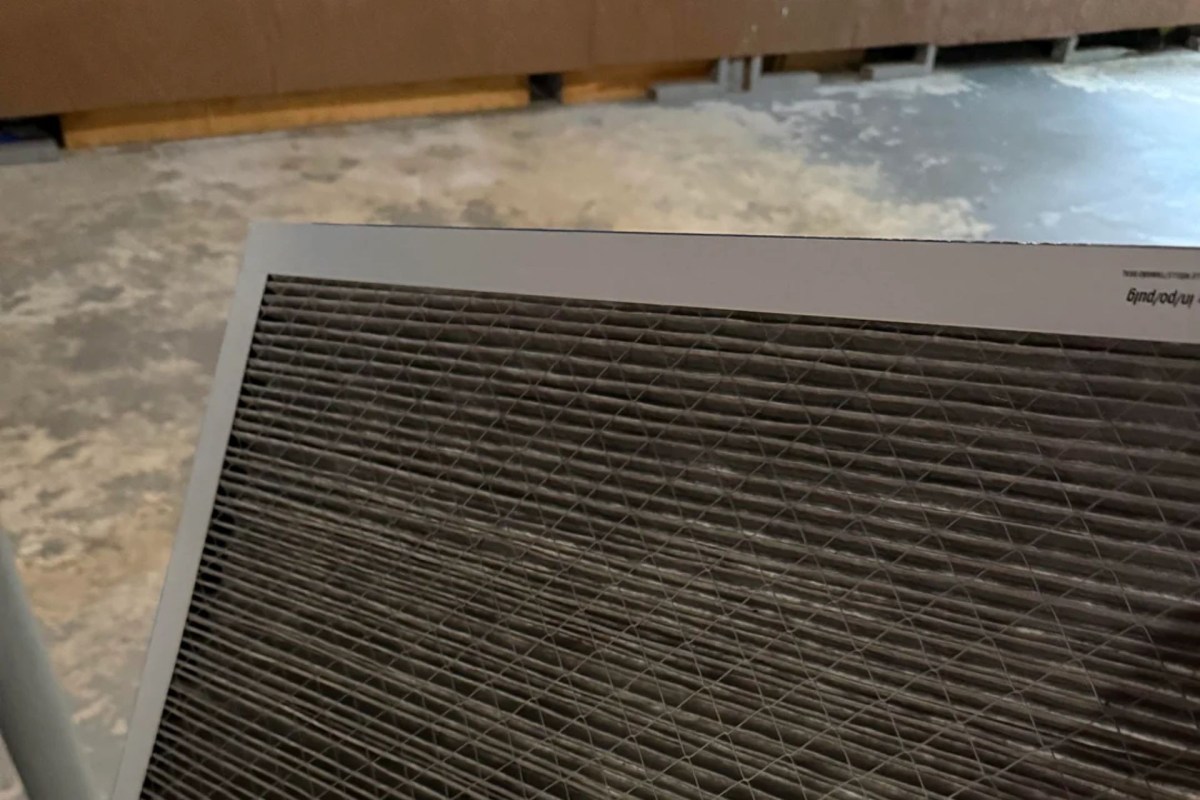
A Michigan renter thought they were being proactive by replacing an old HVAC filter, but when they checked it 12 days later, it had already turned alarmingly dark.
The photos they shared online raised concerns about possible air-quality problems in the apartment and highlighted a familiar frustration for tenants trying to address potential health issues inside a home they do not control.
Here's what to know
The concern appeared in a post on Reddit's r/hvacadvice from a Michigan tenant, who said they and their partner had replaced the building's EZ Flow HVAC filter with a MERV 13 model in their unit.
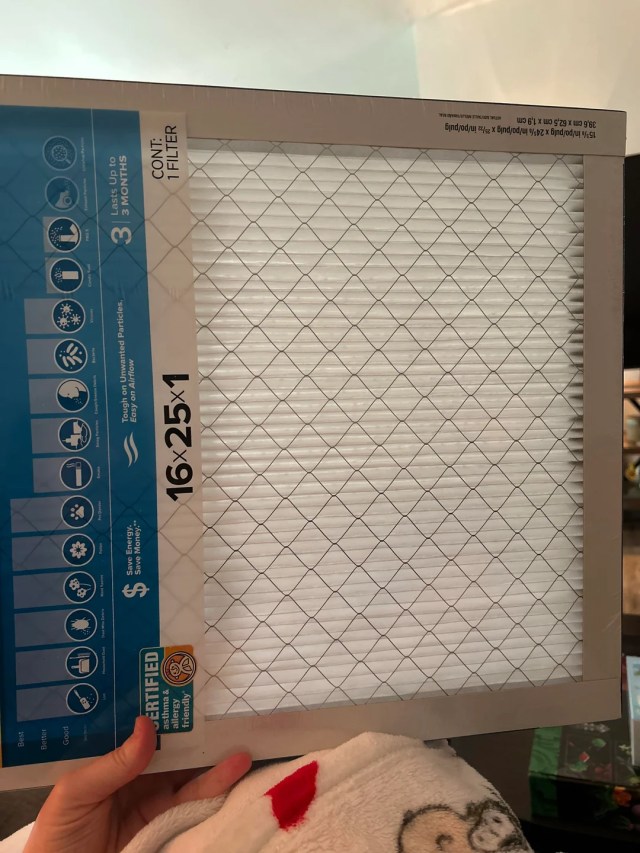
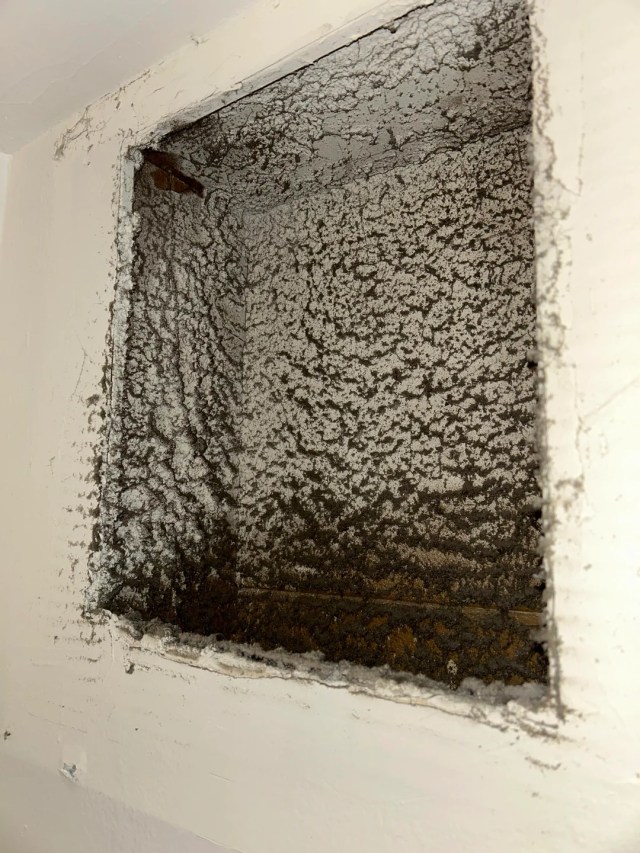
After 12 days, they said the new filter looked black with dust and reported heavy buildup on both the supply and return vents, with the living room return looking the worst.
The renter tied that discovery to ongoing symptoms at home, writing, "We've been having health issues since moving in that improve when away," while explaining they were trying to identify anything in the apartment that might be contributing. In a follow-up, they also said, "I cough all day and night."
People in the thread suggested several possible causes, including dirty ducts in an older building, pollution from nearby traffic, and air coming in through open windows.
TCD Picks » Quince Spotlight
💡These best-sellers from Quince deliver affordable, sustainable luxury for all




After the renter replied, "I do live near a freeway, and occasionally have the windows open," one commenter answered: "Yeah this is probably the only time I'd recommend a duct cleaning."
Some commenters also warned that a MERV 13 filter can be too restrictive for certain HVAC setups, particularly after it has collected a lot of debris.
More background
According to the tenant, building management had already said duct cleaning was not something they would pay for. That left the couple trying to decide whether spending more than $500 on a cleaning was worth it for a rental they might leave within a year.
A separate commenter challenged a common assumption about what HVAC filters are supposed to do, writing, "FILTERS ARE FOR THE UNIT, NOT HOME AIR QUALITY!!"
HVAC filters are primarily meant to protect the equipment, though better filtration can still affect what circulates indoors.
Across the country, renters have also described landlords or building rules getting in the way of money-saving lifestyle changes, including gardening and hanging clotheslines to dry laundry. Those restrictions can make it harder for residents to cut costs, improve comfort, and create healthier living spaces on their own terms.
What can be done?
Documentation can include taking photos, logging symptoms, and keeping written records of maintenance requests and responses. If a filter darkens unusually quickly, that may also be useful evidence when requesting an inspection.
It can also help to confirm whether a higher-MERV filter is appropriate for the HVAC system, since a too-restrictive filter can reduce airflow as it fills up. Portable air purifiers, vacuuming around vents, and an indoor air-quality monitor may also provide additional clues about what is happening inside the unit.
Where can I learn more?
The Michigan renter's experience touched on more than a dirty filter; it raised bigger questions about health, comfort, and what happens when a landlord won't pay for fixes. These articles look at those same tensions from other angles, from Florida heat concerns to fights over gardens, solar panels, and yard rules.
• In Florida, an HOA created dangerous conditions that left tenants worrying about overheating indoors.
• A homeowner ran into outmoded rules while trying to install rooftop solar panels.
• A renter pushed back after an HOA made outrageous demands regarding property maintenance.
For renters whose concerns keep getting brushed aside, they're also a reminder to keep documenting problems and pushing for answers.

Get TCD's free newsletters for easy tips, smart advice, and a chance to earn $5,000 toward home upgrades. To see more stories like this one, change your Google preferences here.






