


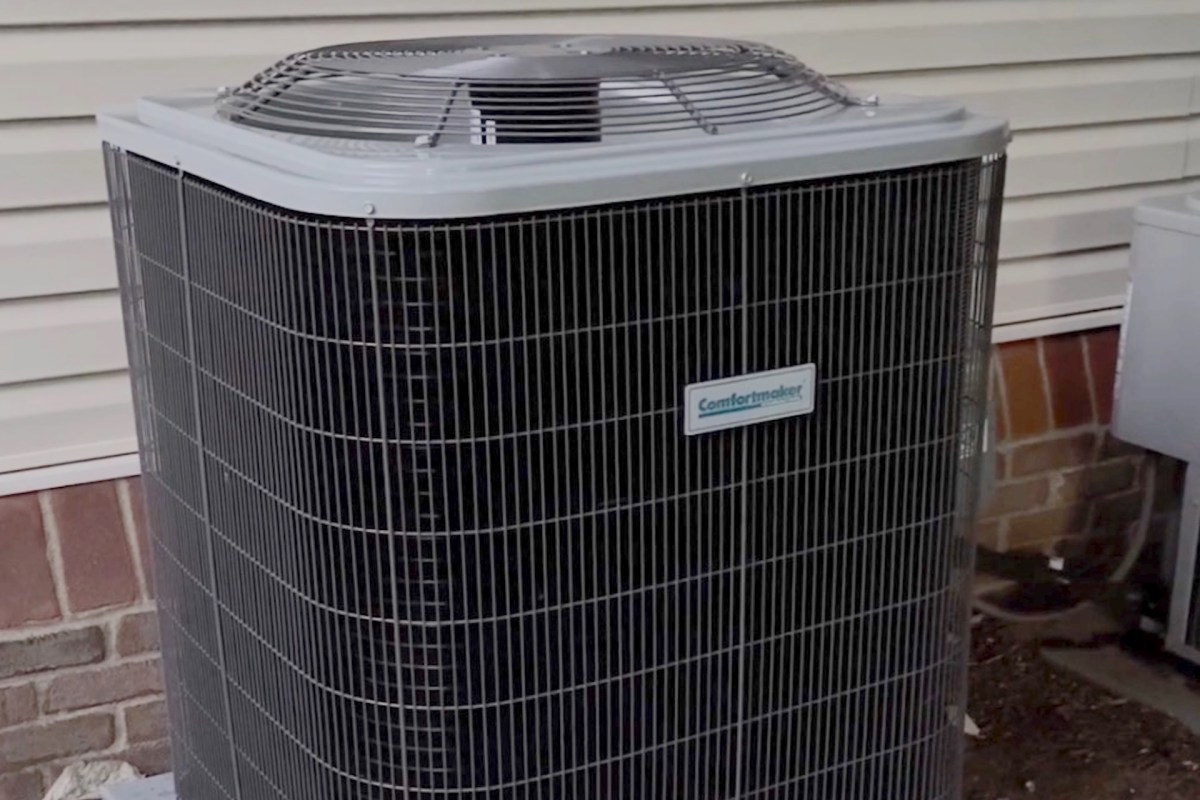
A homeowner who spent more than $10,000 on a new air conditioner turned to Reddit after a persistent buzzing noise from the system became impossible to ignore indoors.
What the installer described as a "new normal" tied to refrigerant pressure did not appear to hold up for long.
Here's what to know
In a Reddit post, the homeowner wrote that the new Comfortmaker 2.5-ton unit was audible "from anywhere on my main floor" and even from upstairs on the opposite side of the house.
(Click here if the embedded video does not appear)
According to the post, the home already had a quiet 2014 Comfortmaker unit of the same size, which made the noise from the newly installed upstairs replacement stand out even more. Two service visits followed. One technician tightened components, and another added a compressor sound blanket, which seemed to help outside, but the buzzing inside the house remained.
The company said the sound was related to R-454B operating at higher pressure. In an update, the homeowner said the manager agreed the unit was too loud and was working with his boss on a fix that might include having an ICP representative inspect it.
Replies in the thread largely rejected the idea that the noise was acceptable.
One wrote, "That's really loud for a new condenser."
Crushed by your bills? See instant solar savings from vetted installers in just a few clicks With energy prices through the roof, there's never been a better time to go solar — and EasyHome can help you find the best prices from the best installers in your area. EasyHome takes the guesswork and headaches out of energy upgrades by showing you estimated savings from a network of vetted local partners. To get started, just enter your ZIP and share a few details about your home — seeing your estimate is really that easy. |

Another added, "No way it should be running so loud you hear it in your own house."
If you're exploring an HVAC upgrade, Palmetto can help you understand your options and slash your energy bills with new, efficient HVACs and heat pumps, while its Comfort Plan network can connect you with vetted installers.
More background
The original poster's situation is especially relevant as more homeowners replacing aging AC systems run into newer models built around R-454B instead of R-410A. That refrigerant transition may come with changes in equipment design, but in this case, a contractor dismissed a major comfort complaint as unavoidable.
The homeowner also shared a reading from a phone app showing about 69 decibels a few feet from the unit. Even if an outdoor measurement looks close to a published rating, the bigger issue here was how much of the hum was making its way inside the house and disrupting work and quiet mornings.
High-efficiency equipment should help lower energy costs, not create a new source of frustration. A better HVAC system can reduce monthly bills and improve comfort, but noise, vibration, and improper setup can quickly undermine much of that benefit.
What can be done?
For homeowners dealing with a similar issue, the comments pointed to a practical way to build a case by recording the sound, checking the manufacturer's published noise specs, seeing whether the cabinet itself is vibrating, and continuing to press the installer for a warranty-backed repair or replacement if the problem continues. Several also recommended getting objective decibel readings.
If you're planning an upgrade and want more predictable results, Palmetto's Comfort Plan includes $0-down options that can lower your heating and cooling costs by up to 50%, including 12 years of free maintenance. That can make it easier to move forward even if you're not ready for a large upfront expense.
You can drive your utility costs even lower by pairing solar panels with electric appliances such as an efficient HVAC. EnergySage makes it easy to find the best solar system and installer for your home and budget, with potential savings of up to $10,000.
Where can I learn more?
The noise was a problem, but so was the explanation the installer gave for it. Homeowners can push back against shaky AC advice, avoid common airflow mistakes, and handle basic maintenance that can protect comfort and keep costs down.
• In Florida, HVAC pros urged a hard pass on a viral AC saver device.
• An HVAC specialist warned that closing your vents can raise costs over time.
• One homeowner found that clean AC unit drains can boost efficiency and cut bills.
When a new system doesn't feel right, it's worth checking the components before settling for the answer you're given.

Get TCD's free newsletters for easy tips, smart advice, and a chance to earn $5,000 toward home upgrades. To see more stories like this one, change your Google preferences here.






