


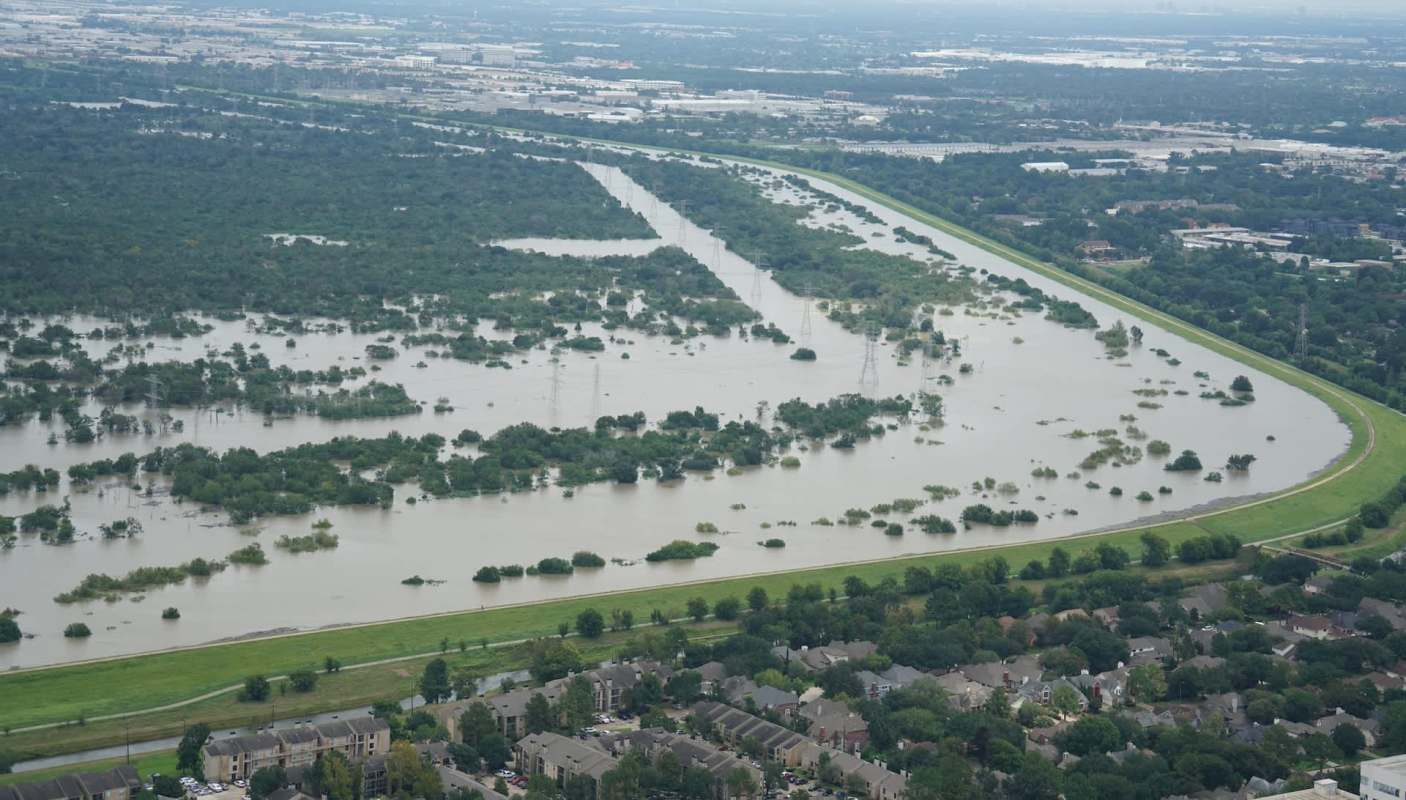
Atlantic hurricane season began June 1, and forecasters are calling for a lighter year overall, although Houston-area experts say that residents still need to be ready.
What's happening?
According to FOX 26 Houston, the National Oceanic and Atmospheric Administration expects Atlantic activity to run below average, partly because El Niño is developing and parts of the tropical Atlantic are cooler than normal.
Cameron Batiste, lead meteorologist with the National Weather Service, said that seasonal outlooks describe overall storm activity rather than the path of any specific storm.
"It only takes one storm," Batiste said. "It could be the only storm of the entire season, but if it makes landfall in Houston, that makes it an active season here."
Hurricane Alicia is often cited as a reminder that a quiet season can still bring major destruction. As FOX 26 Houston reported, the Atlantic had only four named storms in 1983, but Alicia intensified into a major hurricane and made landfall near Galveston, causing widespread damage across Southeast Texas.
Power outages come along with summer storms, and going solar is one of the best ways to reduce your reliance on the grid, while also saving money. Homeowners can use EnergySage to get quick installation estimates. The free tools from EnergySage also let people compare quotes, which can help families think ahead about both rising energy costs and storm-season preparedness.
Why does it matter?
For Houston residents and others along the Gulf Coast, the risk does not disappear simply because the seasonal forecast calls for fewer storms. A single hurricane can still bring flooding, dangerous winds, evacuations, power outages, and costly property damage.
Batiste said one of his biggest concerns is that quieter forecasts can give people the wrong idea.
Save $10,000 on solar panels without even sharing your phone number Want to go solar but not sure who to trust? EnergySage has your back with free and transparent quotes from fully vetted providers that can help you save as much as $10k on installation. To get started, just answer a few questions about your home — no phone number required. Within a day or two, EnergySage will email you the best local options for your needs, and their expert advisers can help you compare quotes and pick a winner. |

"The biggest misconception is that people hear fewer and that makes them think that is zero, which is definitely not the case," he said.
If a storm threatens the region, households may need to get through several days of disruption, so supplies such as food, water, medications, batteries, flashlights, and important documents can be essential.
What can I do?
Officials say residents should use this time to think through evacuation plans, understand their flood risk, refresh emergency supply kits, and secure outdoor items before strong winds can turn them into dangerous projectiles.
For homeowners looking beyond the basics by exploring solar as an option, EnergySage's solar map shows the average cost of a home solar panel system on a state-by-state level, along with details on solar panel incentives for each state. Together, those resources can help get the best price for rooftop solar panels and access available incentives.
More From EnergySage
💡Go deep on the latest news and trends shaping the residential solar landscape
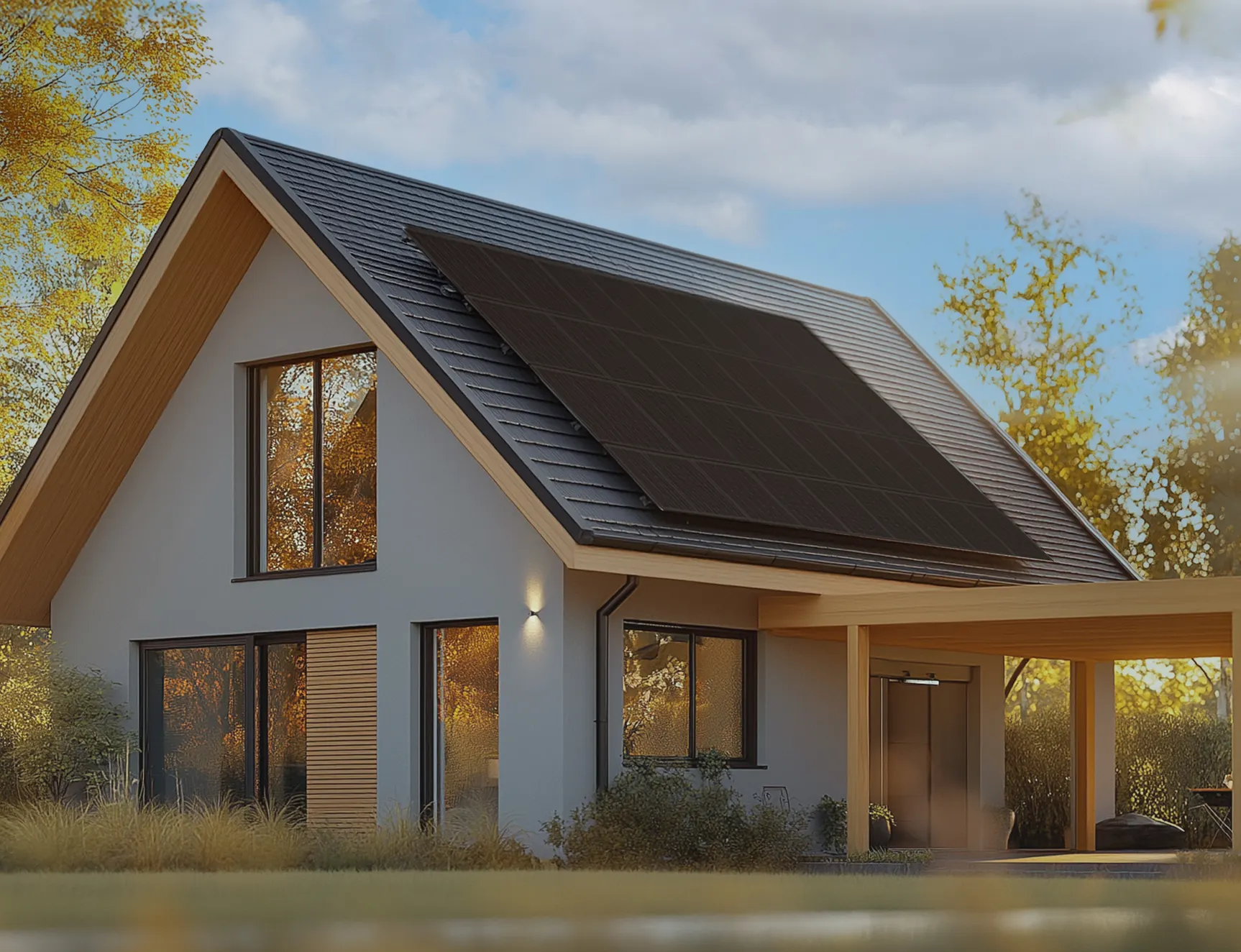
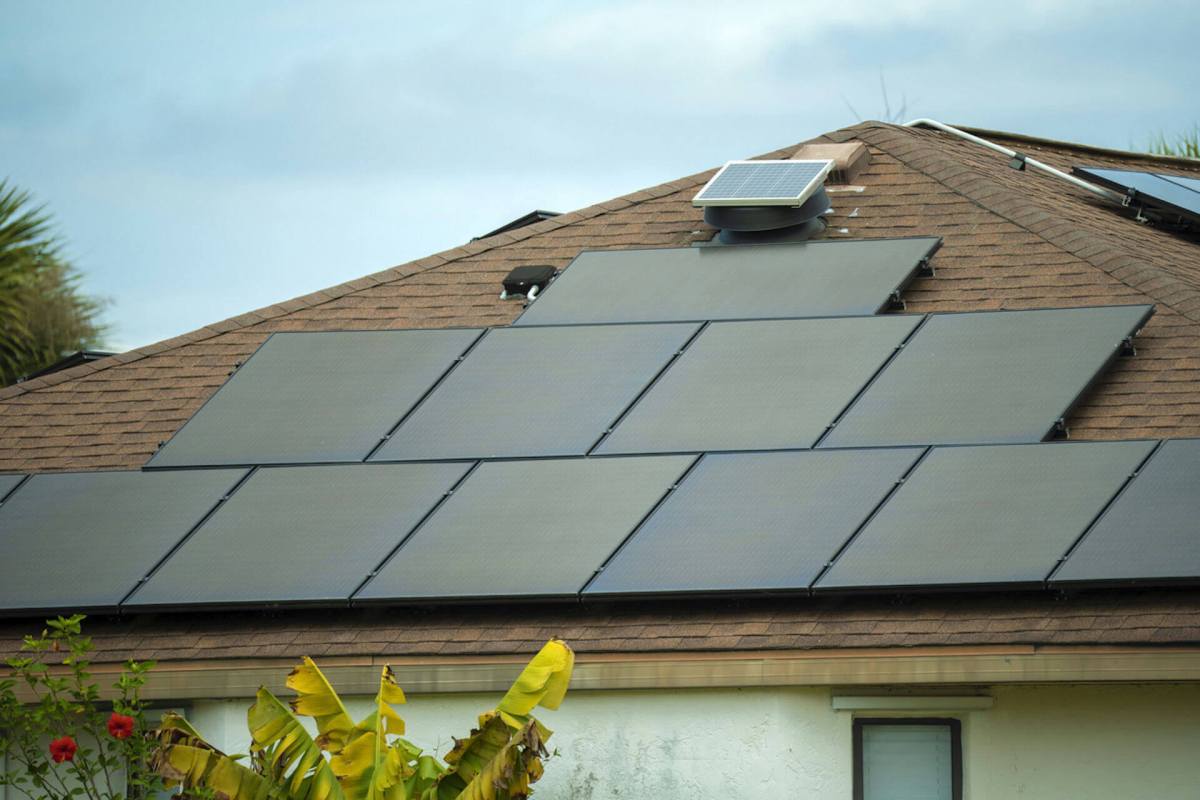
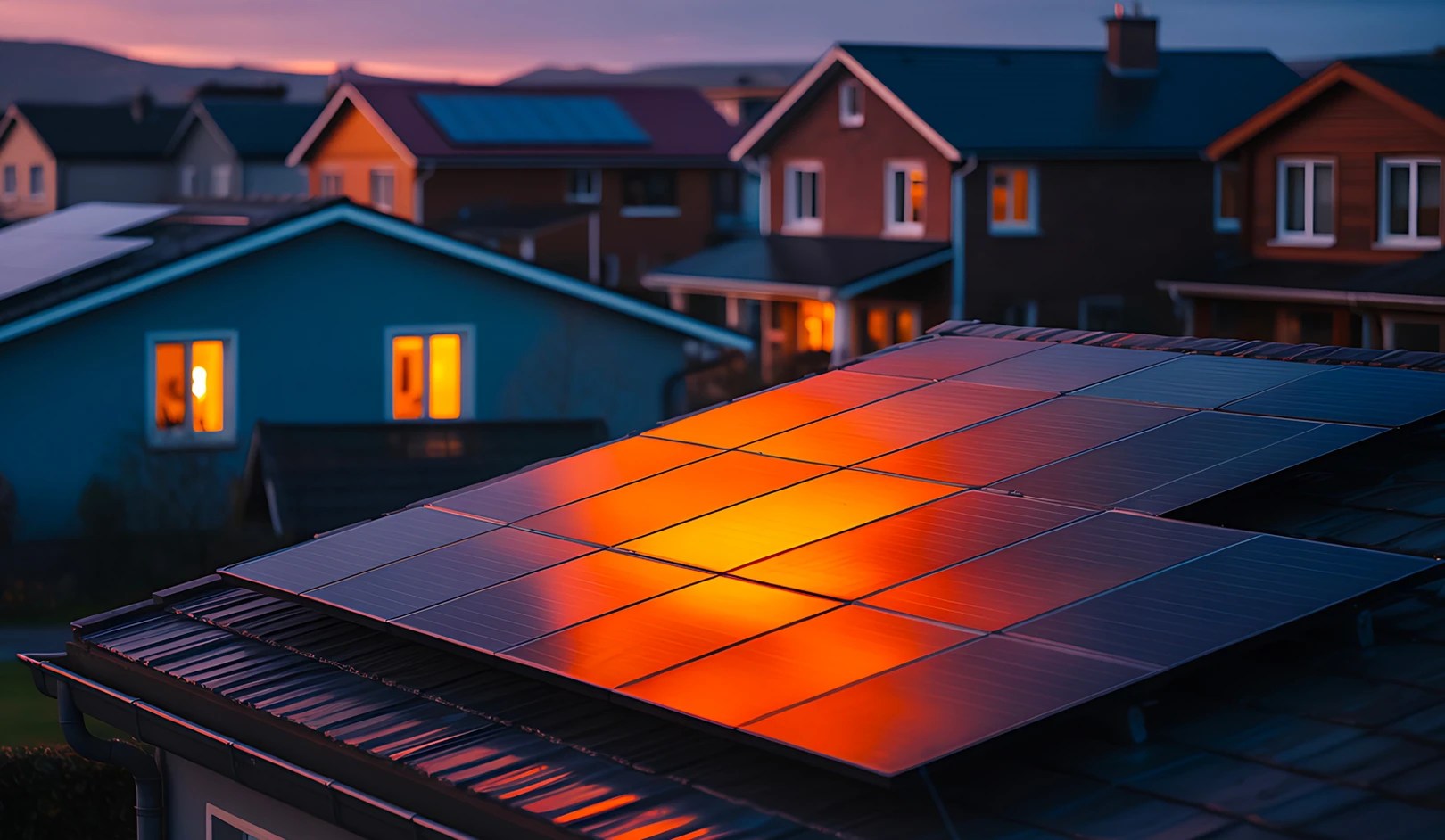

Adding battery storage to a solar setup is one of the best ways to add extra protection during outages. Homeowners who want to explore that option can use EnergySage for information about home battery storage options, including competitive installation estimates.
As Batiste put it, "The forecast is for fewer storms," but "fewer doesn't mean none."
The message is simple: "It only takes one storm."

Get TCD's free newsletters for easy tips, smart advice, and a chance to earn $5,000 toward home upgrades. To see more stories like this one, change your Google preferences here.






