


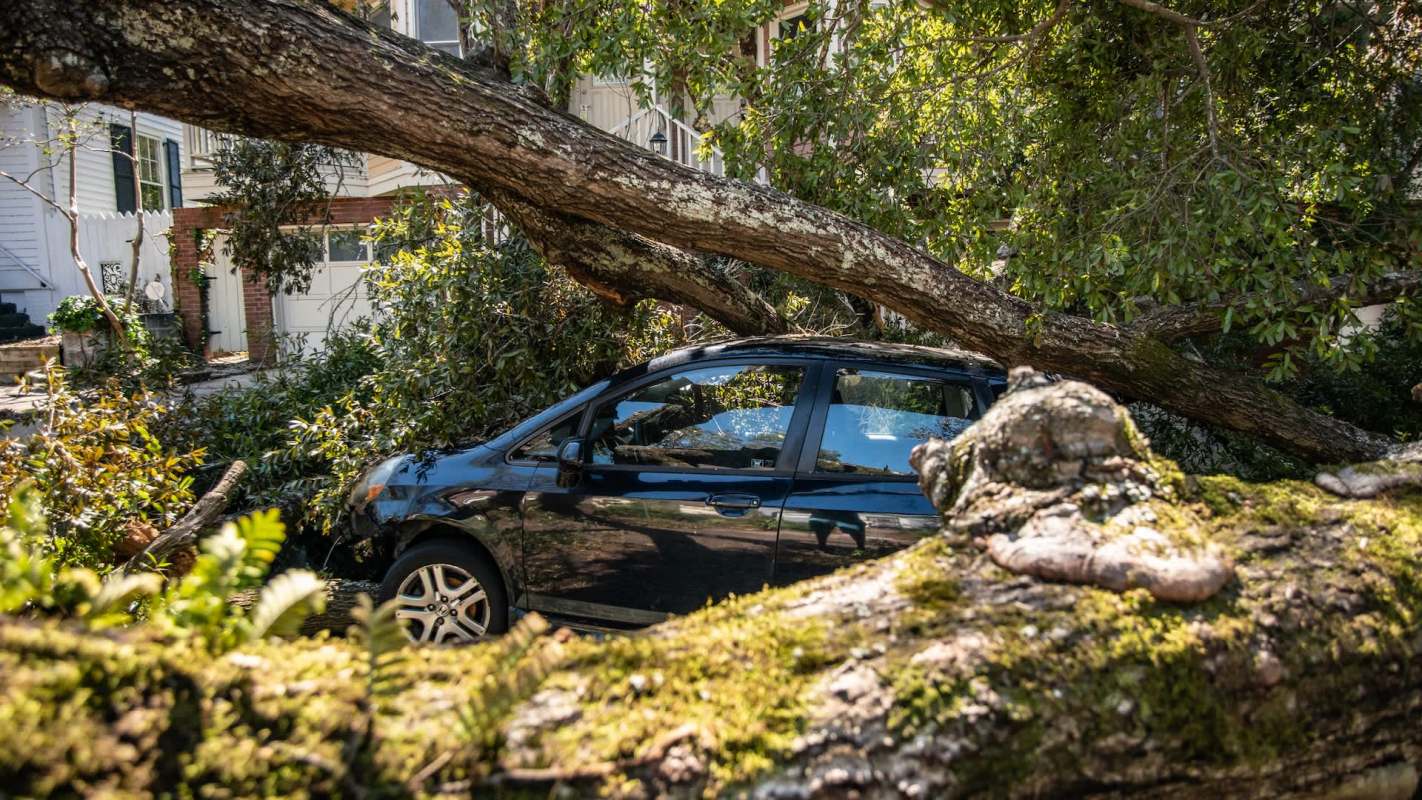
For North Carolina residents, the start of hurricane season is not just a concern for beach towns. Storms can create inland flooding, spin up tornadoes, knock out electricity, and make roads dangerous even when they never strike a community head-on.
What's happening?
The message to residents is to get ready before a storm is anywhere near the state. As Neuse News reported, eastern North Carolina can see heavy rain, fallen trees, road washouts, and outages even when a hurricane does not come ashore nearby.
Early planning matters especially for households with children, older adults, or people who rely on prescriptions, oxygen, mobility equipment, or medicine that must be kept cold. More generally, families should set aside several days of basics, including drinking water, food, medication, flashlights, batteries, chargers, hygiene items, pet supplies, and copies of important documents, according to Neuse News.
A home battery system is one of the best ways to protect yourself against power outages. EnergySage's free tools provide information on home battery storage options, including competitive installation estimates to help you save money. EnergySage's partnership with Qmerit guarantees you get the best price on home battery storage solutions.
If you're not ready for a major investment, Pila's plug-and-play batteries cost a fraction of a whole-home backup system, generally supporting one outlet in your home at a time, similar to a longer-lasting uninterruptible power supply for a computer.
Why does it matter?
Treating storm prep as only a coastal issue can leave inland communities exposed. Flooded roads, fallen branches, and blackouts can quickly interfere with work, school, medical appointments, and the ability to buy groceries or gas.
Preparation also has an insurance component. As Neuse News noted, flood damage is often not covered by a standard homeowners policy, and separate flood insurance may not take effect right away, which makes waiting until the last minute a gamble.
Backup power can make a major difference when the grid goes down. Hazards do not end once the storm passes. Floodwater, downed lines, and unsafe generator use can all make the aftermath deadly.
Save $10,000 on solar panels without even sharing your phone number Want to go solar but not sure who to trust? EnergySage has your back with free and transparent quotes from fully vetted providers in your area. To get started, just answer a few questions about your home — no phone number required. Within a day or two, EnergySage will email you the best options for your needs, and their expert advisers can help you compare quotes and pick a winner. Solar panels can save you more than $50k over their 25-year lifespan, and EnergySage can help you save as much as $10k on installation. Which begs the question — isn't that worth an email or two? |

What can I do?
One useful way to begin is with an outdoor check of your property before the season ramps up. Neuse News recommends cleaning out gutters, trimming weak limbs, securing outdoor furniture, and looking for anything that could become dangerous in strong winds.
Restocking an emergency kit is another smart move. Keep nonperishable food, water, a first aid kit, flashlights, batteries, portable chargers, and a battery-powered radio on hand so you can still get updates if cell service becomes unreliable.
It is also worth reviewing how your household would evacuate and communicate. Make sure everyone knows where to go, how to reconnect, and what to do if roads are blocked or the power stays out for several days.
Because carbon monoxide cannot be seen or smelled, generator safety deserves special attention. Neuse News warns that the gas can be deadly and is often called a "silent killer," which is why generators should be kept out of the house, garage, and other enclosed areas.
By the time a storm is being tracked, many of the most important preparations should already be done.

Get TCD's free newsletters for easy tips, smart advice, and a chance to earn $5,000 toward home upgrades. To see more stories like this one, change your Google preferences here.






