


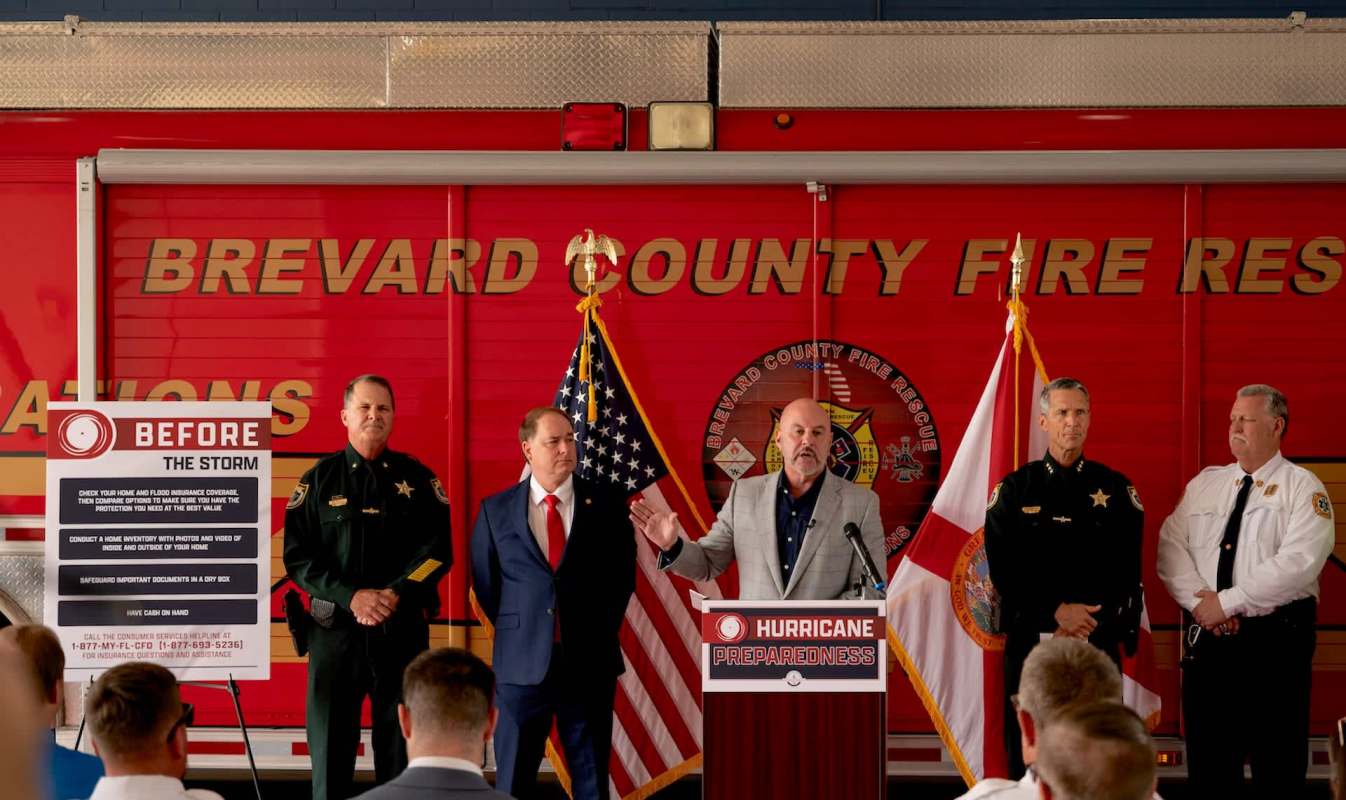
As Florida heads into the busiest part of hurricane season, state officials are warning residents not to wait until a storm appears on the radar to prepare.
One of the biggest priorities is reviewing insurance coverage before the peak months bring a heightened threat of severe weather.
Here's what to know
At a hurricane-preparedness press conference in Brevard County, Florida Chief Financial Officer and State Fire Marshal Blaise Ingoglia urged residents to take steps now to protect their homes, finances, and personal records.
According to The Floridian Press, Ingoglia said Floridians still have time to get ready, even though the 2026 Atlantic hurricane season is already in progress.
Florida's most active hurricane window usually runs from mid-August through late October, within a season that lasts from June 1 to November 30. That makes this period especially important for households that still need to check their insurance, document their property, or handle basic repairs.
"While we are already in the midst of the 2026 hurricane season, we are now entering the most active months when a majority of tropical storms and hurricanes typically occur," Ingoglia said.
TCD Picks » Quince Spotlight
💡These best-sellers from Quince deliver affordable, sustainable luxury for all




He added, "It is not too late to prepare now by stocking up on essential items, securing important documents, and reviewing your insurance coverage."
More background
The warning carries particular urgency in a state that has endured repeated destructive storms since 2021.
Florida has not been hit by a hurricane yet during the 2026 Atlantic hurricane season. Even so, the state has experienced four major hurricanes — Category 3 or higher — since 2021, including Hurricane Helene and Hurricane Milton in 2024.
Officials are stressing not just storm preparation, but also scam prevention. Ingoglia's pre-storm guidance focused on both coverage and caution: review home and flood policies, compare options, make needed repairs, and document any existing damage.
He also told residents to watch for fraud, confirm the licenses of contractors or adjusters, and contact Consumer Services at 1-877-MY-FL-CFO before agreeing to work with a public adjuster.
After a storm, officials want residents to focus on recording damage and protecting their personal information. That includes taking photos, videos, or written notes, making sure any request for sensitive details is legitimate, and staying out of flooded vehicles.
What can be done?
Much of the advice comes down to preparing before conditions worsen. Reviewing an insurance policy ahead of time can show homeowners whether flood losses are covered, how burdensome their deductibles might be, and where to address gaps before a storm threat emerges.
It also helps to create a clear record of the home's condition. Photos and videos from before and after a storm can strengthen an insurance claim, and the same evidence may help if disputes over repairs come up later.
Ingoglia also advised residents to vet repair workers carefully by choosing local, reputable contractors, avoiding "cash only" specialists, and asking for proof of liability and workers' compensation coverage.
Brevard County Fire Chief Jim Stables likewise emphasized that preparation should happen well before any storm closes in on Brevard County.
"When a hurricane is headed towards Brevard County, panic can spread quickly throughout the community," Stables said. "The easiest way to mitigate these anxieties is to be prepared before the storm shifts in our direction."

Get TCD's free newsletters for easy tips, smart advice, and a chance to earn $5,000 toward home upgrades. To see more stories like this one, change your Google preferences here.






