


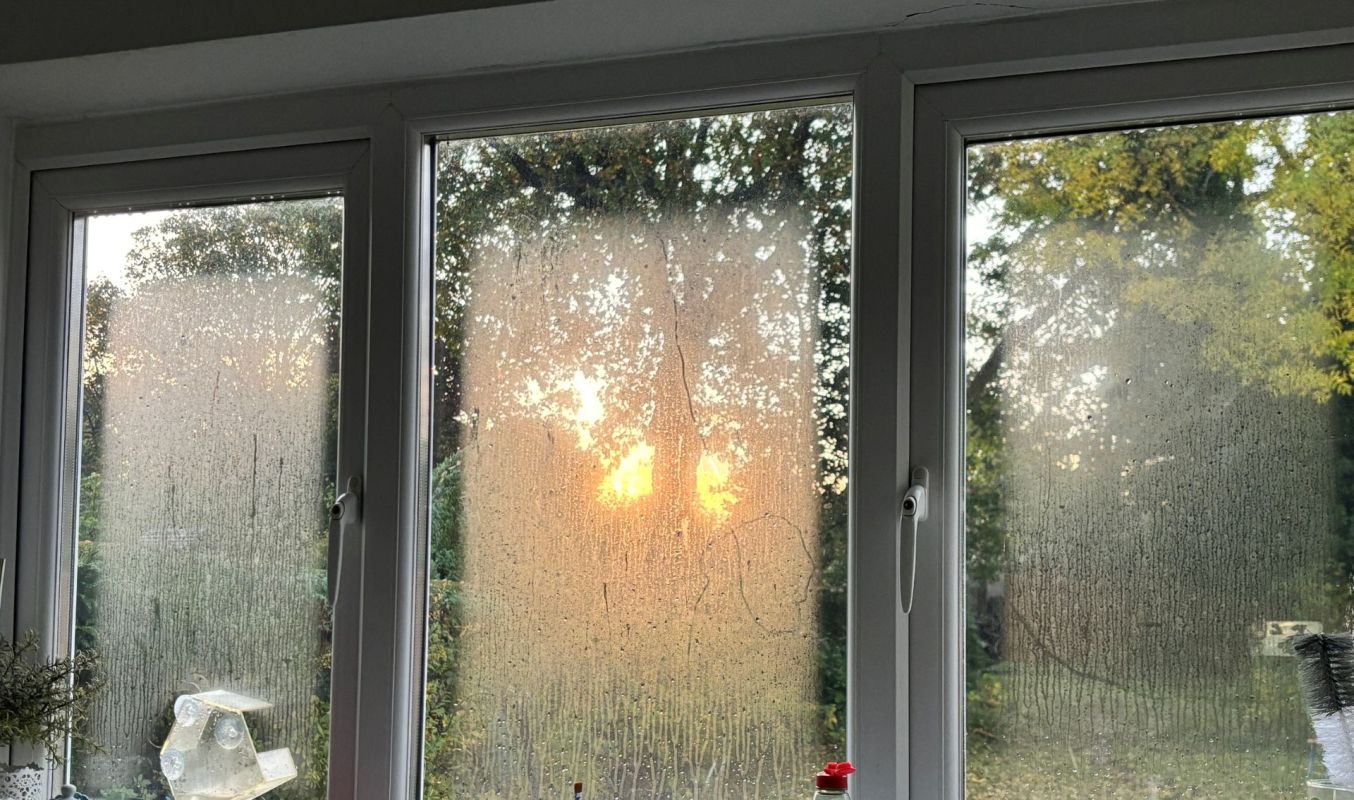
In many places, summer blackouts used to mean opening up your windows and letting moving air do the rest.
But with today's warming climate, that approach is proving less reliable when nights stay muggy, forcing homeowners to think differently about backup cooling.
Here's what to know
A Reddit thread posted to the r/preppers community centered on a problem that matters especially in the Midwest, Northeast, and South, handling overnight humidity during summer power outages.
The original poster wrote, "In a lot of northern and midwestern houses, the informal summer outage plan is basically: open the windows… [but] that only works if the outside air actually cools and dries out overnight. If the dew point stays high, fans help less, swamp coolers do almost nothing, and the house may still be holding heat the next morning."
OP added, "I'm especially curious how people… think about this, because dry heat and humid heat seem like very different preparedness problems."
In the comments section, people gravitated toward targeted solutions rather than broad advice. Options like running a small AC, preselecting one room to keep cool, or moving sleep downstairs or into a basement were common responses. Each strategy is cheaper than trying to back up central air for the entire house.
TCD Picks » Quince Spotlight
💡These best-sellers from Quince deliver affordable, sustainable luxury for all




One commenter outlined a modest setup aimed at comfort without going all-in on whole-home backup: "I have a power station that will run the small AC in my bedroom," they wrote. "During the day I have a pool in the backyard to cool off in."
More background
What makes humid outages more serious is that discomfort can linger until morning and become a safety issue. As the original poster put it, in a well-insulated home, "the house may still be holding heat the next morning," which can catch people off guard when they plan for a blackout.
And after a plan falls short, the consequences can range from a miserable night of no sleep to medical problems, spoiled food, and bigger costs once the outage ends.
For many homeowners, the cheaper path may be to back up a small area instead of the whole house. Pairing a window unit or mini-split with a battery or generator can require less fuel and far less spending than building enough backup capacity for central AC.
Some commenters described mixing technologies rather than relying on one power source. Using batteries overnight and charging them with a generator during the day can save gasoline, keep noise down, spare families from running a big generator while they sleep, and still leave room to protect refrigerators and freezers from costly food losses.
Where can I learn more?
Here are some additional articles looking at the problem from a few practical angles:
• In Texas, neighborhoods are embracing microgrids for outage relief as storms make grid failures harder.
• Across hot regions, families are keeping cool on less by trimming indoor heat before sundown.
• One summer workaround kept a house 10 degrees cooler by repurposing reflective car shades.
Each adds useful context for anyone building a cooling plan that can hold up through both high humidity and a power loss. When the air stays sticky overnight, having one comfortable room can be the difference between a rough inconvenience and a dangerous night.

Get TCD's free newsletters for easy tips, smart advice, and a chance to earn $5,000 toward home upgrades. To see more stories like this one, change your Google preferences here.






