


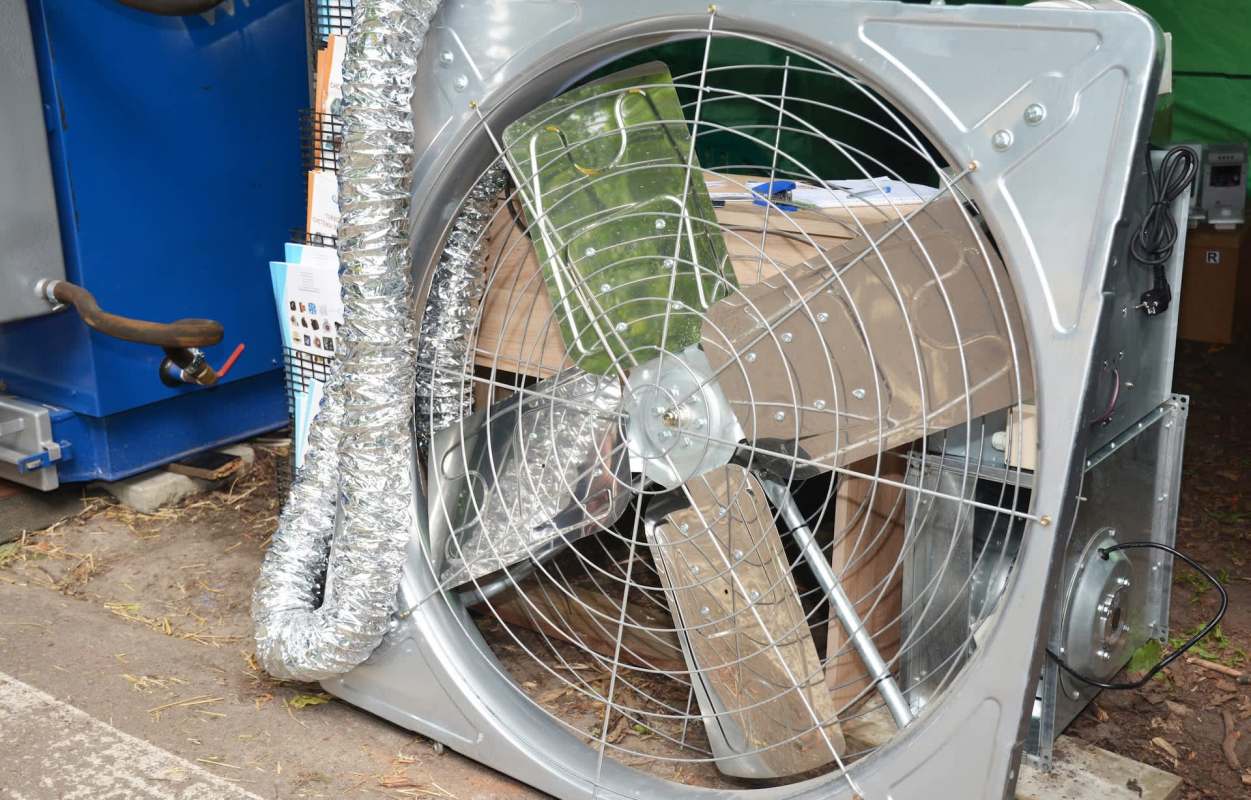
After a roof replacement changed how a Houston home's attic was ventilated, the homeowner went to Reddit to decide whether to follow the roofer's advice to replace attic fans with ridge vents or the HVAC technician's advice to restore the fans because the attic ducts were sweating.
Here's what to know
"Not sure who to trust on this," they wrote. During an HVAC inspection, a technician noticed condensation on the ductwork and said the attic was not getting enough circulation.
Several commenters pushed back on that explanation. "Your HVAC guy is wrong," one HVAC engineer said. "Sweat on ducts is due to poor duct insulation, not airflow in the attic. If it's humid, and the surface of the duct is below the dewpoint, it's going to sweat regardless of whether there's a lot of air or a little air moving through the attic. Make sure those ducts are insulated properly and repair any damage to the insulation."
Upgrading your heating and cooling system is one of the best ways to save money on utility bills and protect yourself against rising energy prices. Palmetto can help homeowners understand their HVAC options and slash their energy bills with new, efficient HVAC units and heat pumps through its Comfort Plan, which connects customers with vetted installers.
More background
"The roofer is right, it is one or the other," one user wrote. "But for ridge vents to work correctly, you need to have your soffits opened. Did they open the soffits? That is what allows proper air flow to go up your roof line and out the ridge vent. Without that, ridge vents are useless."
Baffles (also known as rafter vents) can help direct that air up through the rafter bays and toward the ridge.
Commenters said performance can suffer if the intake route is obstructed. Some pointed out that soffit vents are sometimes clogged by insulation or sealed with paint, while another commenter warned that using attic fans alongside ridge vents can "short-circuit" ventilation by pulling air from the ridge and exhausting it before the attic is ventilated evenly.
Attic moisture can raise the risk of mold, reduce insulation performance, and force heating and cooling equipment to work harder. That can push bills higher at a time when many families are already looking for ways to make their homes more efficient and affordable.
Save $10,000 on solar panels without even sharing your phone number Want to go solar but not sure who to trust? EnergySage has your back with free and transparent quotes from fully vetted providers in your area. To get started, just answer a few questions about your home — no phone number required. Within a day or two, EnergySage will email you the best options for your needs, and their expert advisers can help you compare quotes and pick a winner. Solar panels can save you more than $50k over their 25-year lifespan, and EnergySage can help you save as much as $10k on installation. Which begs the question — isn't that worth an email or two? |

What can be done?
Suggestions in the thread included checking attic ducts for inadequate or damaged insulation, making sure a vapor barrier is present, and confirming that soffit vents and attic baffles were added when the roof was redone. The homeowner also asked about options for old ductwork, and one commenter said solid ducts can be wrapped with insulation.
If a bigger upgrade makes sense, Palmetto's Comfort Plan can help homeowners find efficient heating and cooling solutions for their homes. If you're not ready to spend up front, the Comfort Plan includes $0 down options that can lower your heating and cooling costs by up to 50% and feature 12 years of maintenance.
Homeowners can also pair solar panels with efficient HVAC systems to push utility costs even lower. EnergySage makes it easy to find the best solar system and installer for your home and budget, saving you up to $10,000 on an installation.
Where can I learn more?
These stories explore the same kinds of questions, from attic fans and hot-climate cooling claims to ductwork issues and debates over efficient HVAC upgrades.
• Homeowners weighing roof changes asked whether attic fans cut energy bills or just shift heat.
• In Florida, HVAC pros said a viral device to save your AC was overhyped.
• Home efficiency experts say common HVAC myths stick households with expensive, outdated systems.
• In New Mexico, a homeowner considering a heat pump learned to do their own research first.

Get TCD's free newsletters for easy tips, smart advice, and a chance to earn $5,000 toward home upgrades. To see more stories like this one, change your Google preferences here.






