


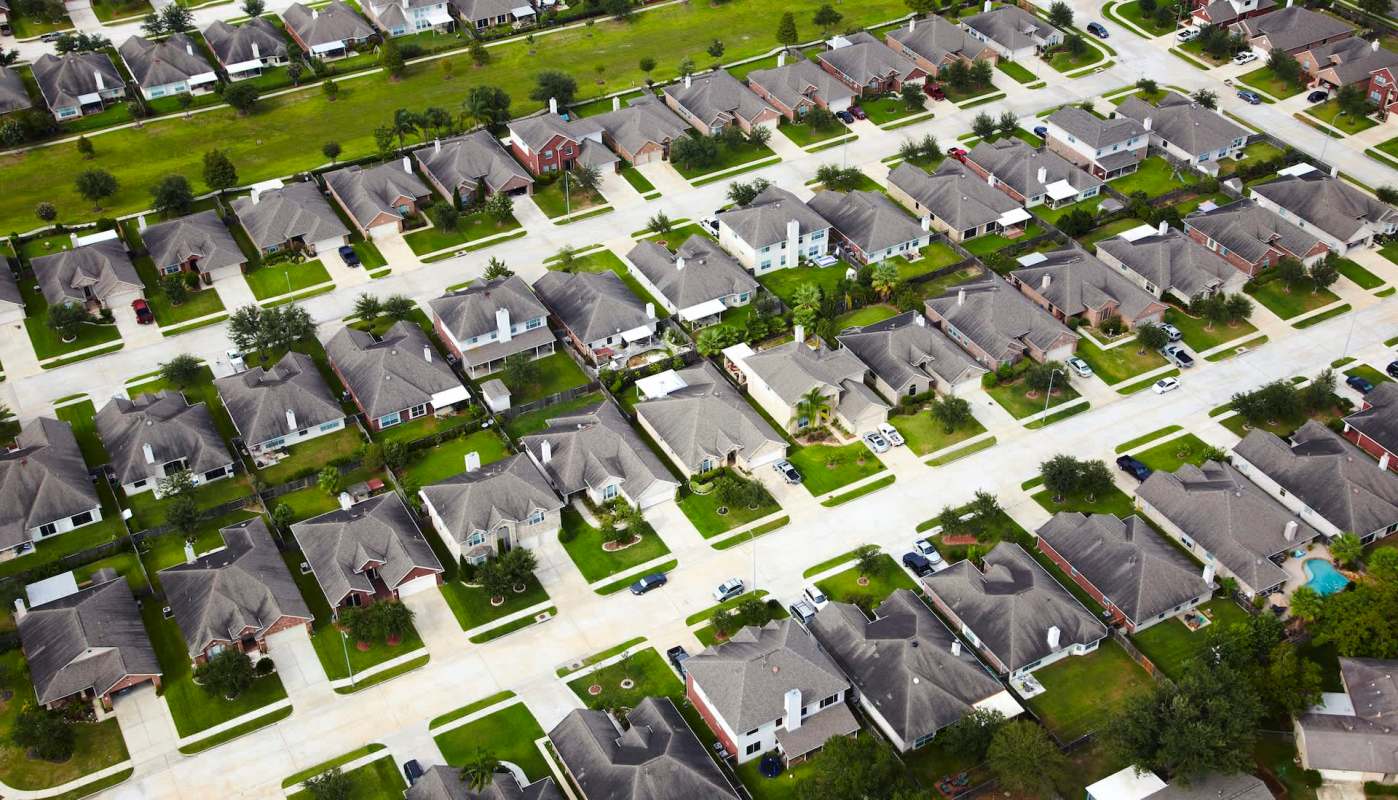
Owning a home in the Houston area often means budgeting for more than just a mortgage payment. According to a new analysis, Houston has the highest homeowners association costs among major Texas metro areas.
Those charges come on top of two other growing ownership expenses: property taxes and insurance.
What's happening?
According to the Houston Business Journal and as detailed by KHOU 11, more than half of area homeowners pay monthly dues.
The outlet highlighted a national pattern of rising HOA fees, with some markets feeling it more sharply than others.
Citing Realtor.com data, the HBJ showed that the national median HOA fee went from $108 per month in 2019 to $135 in 2025. Condo dues rose even faster, reaching a median of $420 a month, which was 29% higher than it was six years earlier.
LendingTree, as the HBJ reported, showed a similar trend in a separate survey: 82% of homeowners who paid HOA fees said those charges had gone up in the previous three years. For many households, that adds another regular cost to mortgage, maintenance, tax, and insurance fees.
TCD Picks » Quince Spotlight
💡These best-sellers from Quince deliver affordable, sustainable luxury for all




Why does it matter?
HOA fees can cover shared costs, including those for landscaping, security, pools, exterior maintenance, and insurance for common areas. They can also be one of the most surprising parts of homeownership, especially for buyers focused on listing prices and mortgage rates.
When monthly dues rise, the effects can ripple through a household budget. That can leave less room for emergency repairs, retirement savings, or everyday essentials. For first-time buyers and people living on fixed incomes, even relatively modest increases can make a home less affordable over time.
HOAs across the country have been accused of preventing homeowners from making upgrades that could lower ongoing costs. Restrictions on rooftop solar panels or native plant lawns, for example, can keep residents from lowering utility bills or reducing outdoor water use and maintenance needs.
What can I do?
If you're shopping for a home, it may be worth asking for an HOA's governing documents, budgets, reserve fund information, and history of fee increases or special assessments before making a purchase. A home that appears affordable on paper can be much more expensive if dues are always rising.
Homeowners can attend HOA board meetings, review budgets, and vote in elections to maximize transparency around how fees are set and spent. They may also be able to work with neighbors to challenge outdated rules or propose bylaw changes.
As HOA dues climb nationwide, those fees are a central affordability issue rather than a fine-print detail.

Get TCD's free newsletters for easy tips, smart advice, and a chance to earn $5,000 toward home upgrades. To see more stories like this one, change your Google preferences here.






