


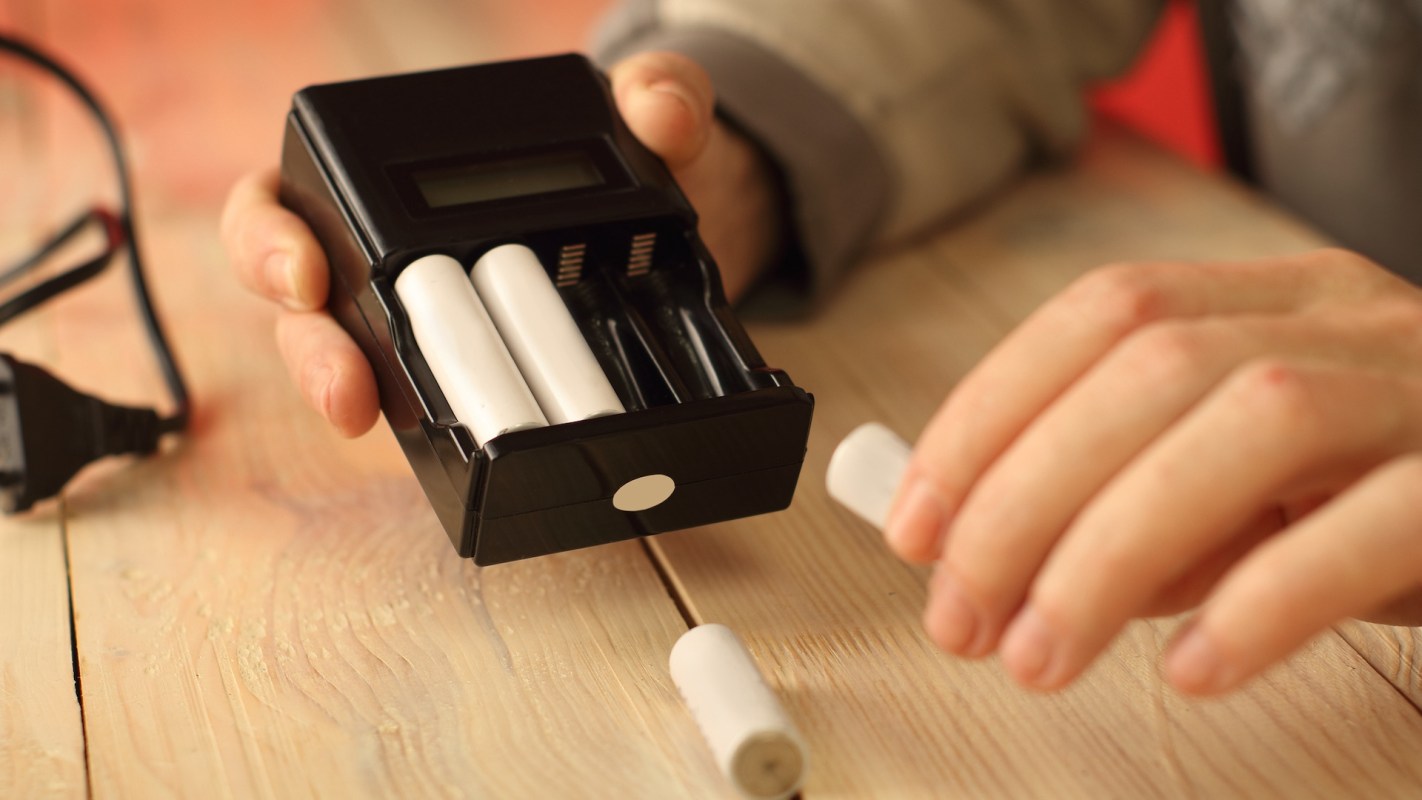
One Reddit user who grew up in a household that used more than 200 batteries a year is wondering when they will need to buy another pack, thanks to a shift toward rechargeable alternatives.
Here's what to know
Their home drew on supplies from a large battery case their grandfather kept alongside a tester, the user recalled in a Reddit post.
"Our household easily went through 200+ batteries in a year between Gameboys, CD players and flashlights/lanterns, we lived in a rural area and power loss during storms was frequent, so that stockpile was kind of a lifeline of comfort," the poster explained to the r/Anticonsumption subreddit.
Clocks, a radio, flashlights, and several TV remotes came up in the poster's account of their remaining battery needs. The big change is that rechargeables now power most of their battery-operated belongings.
Smoke detectors were another potential use for rechargeables the poster was considering. As it stood, they already kept spare 9-volt batteries on hand as the rare type they still stockpiled.
"Rechargeable is really the way to go, my dad's always got them on rotation," a user reacted. "When I went to college, I'd just borrow some of his rechargeable batteries and bring them back when they were dead, which saved me so much money back then."
TCD Picks » Quince Spotlight
💡These best-sellers from Quince deliver affordable, sustainable luxury for all




More background
The difference in battery demands between devices stood out in one commenter's household. Game controllers use rechargeable batteries, whereas remotes and children's toys go much longer between battery changes. They noted that their rechargeable batteries need replacing only every few years.
Wireless keyboards and mice replaced wired models at another commenter's workplace because the employer wanted to eliminate dangling cables. At home, the employee shared they had already switched most batteries to rechargeables. Their keyboard alone requires five AAA batteries, and the office struggles to keep replacements available.
Some of the office's spent batteries end up in ordinary bins, the employee reported, even though recycling is the workers' responsibility. The move to wireless equipment brought both recurring battery purchases and a steady stream of used batteries.
What can be done?
The office worker said they kept a wired mouse tucked away in a drawer, giving them a way to avoid the battery demands of its wireless replacement. Another move was to make the full switch.
"I legitimately hate buying batteries," a user divulged. "They are so damn expensive anymore. Pretty much everything I own runs on rechargeable batteries instead of disposable ones."
A concern about smoke-detector low-battery warnings prompted one commenter to urge the poster to check compatibility before making the proposed switch. Rechargeables may not suit every device.
Where can I learn more?
Switching to rechargeables brings up practical questions about how batteries are built, how easily they can be replaced, and where to take them when they're spent.
• A teardown revealed what was inside USB-C rechargeable AA batteries that initially looked suspicious.
• Home Depot may accept old rechargeable batteries that pose fire risks in household trash.
• The EU expanded replaceable-battery rules as users criticized sealed devices as wasteful.
• In New Zealand, a $30 vape battery sparked a $2.5 million recycling-center fire.

Get TCD's free newsletters for easy tips, smart advice, and a chance to earn $5,000 toward home upgrades. To see more stories like this one, change your Google preferences here.






