


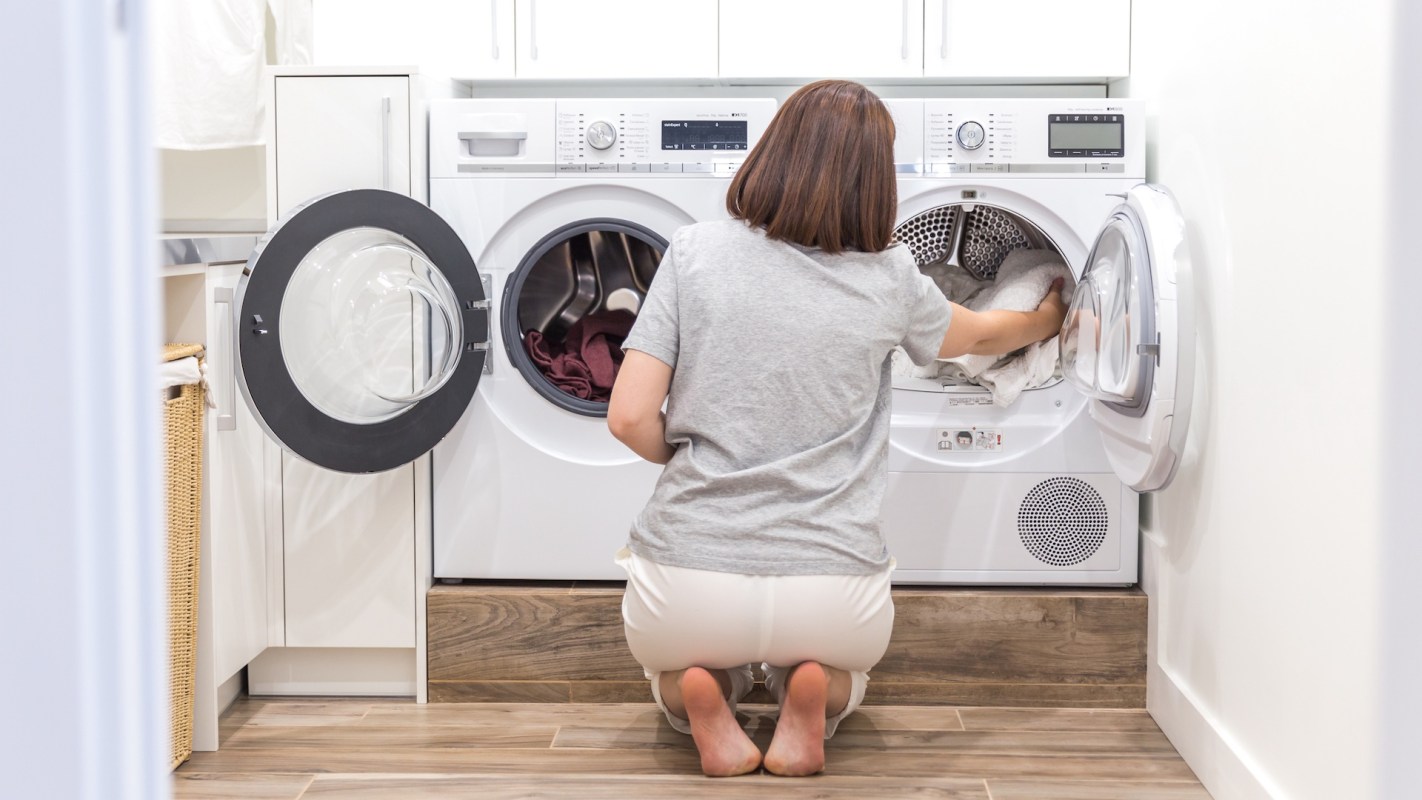
Research has shown that doing laundry can contribute to health and environmental issues through the release of microfibers.
What's happening?
Scientists at the Desert Research Institute found that household dryers can release significant amounts of microscopic fibers. These fibers carry bits of dyes and fabric treatment chemicals that later escape through the vent.
The DRI team partnered with local volunteers in the Lake Tahoe area through Keep Tahoe Blue. Together, they tested how many fibers a dryer releases outdoors during regular use.
Each volunteer covered their vent with a mesh screen for three weeks and mailed it back to the DRI for analysis.
The results showed that about 3,543 metric tons of microfibers are released by dryers annually in the United States. That's about 30 times heavier than the Statue of Liberty.
Natural fabrics contributed roughly 2,728 metric tons, while polyester, fleece, and other synthetics added about 460 metric tons.
TCD Picks » Quince Spotlight
💡These best-sellers from Quince deliver affordable, sustainable luxury for all




Manufacturers treat both natural and synthetic fabrics with dyes, flame retardants, and per- and polyfluoroalkyl chemicals to keep them smooth and stain-resistant. These coatings don't just vanish once the fabric starts to wear down.
Why is laundry pollution concerning?
Doing laundry sends microfibers in every direction. Washers flush them into drains, while dryers push them out into the air.
With over 82 million electric dryers running in U.S. homes, this buildup keeps growing. Just as plastic straws can take up to 200 years to break down, per WWF Australia, microfibers can linger in the environment once they're released.
Scientists have also noted that some of the chemicals used on fabrics can interfere with how the body grows and reproduces. Similar risks have shown up in studies on nonstick pans and bisphenol-A-free plastics.
|
Do you worry about having toxic forever chemicals in your home?
Click your choice to see results and speak your mind. |
 Majorly 😥
 What can be done about laundry pollution?
Monica Arienzo, the study's lead author and director of DRI's Microplastics and Environment Chemistry Lab, said, "Because of the ubiquity of microfibers and their ability to contribute other chemicals to the environment, it's important for us to understand ways to reduce microfibers at the source."
She added that household dryers are a simple place to start. Adding a tighter lint or vent filter catches fibers before they escape. Air-drying clothes whenever possible can also help.
Opting for fabrics made without PFAS and buying from brands that make eco-friendly textiles minimizes waste from the get-go. Other small changes at home, such as reducing plastic use or opting for plastic-free products, can also help reduce microplastic pollution.

Join our free newsletter for easy tips to save more and waste less, and don't miss this cool list of easy ways to help yourself while helping the planet.






