


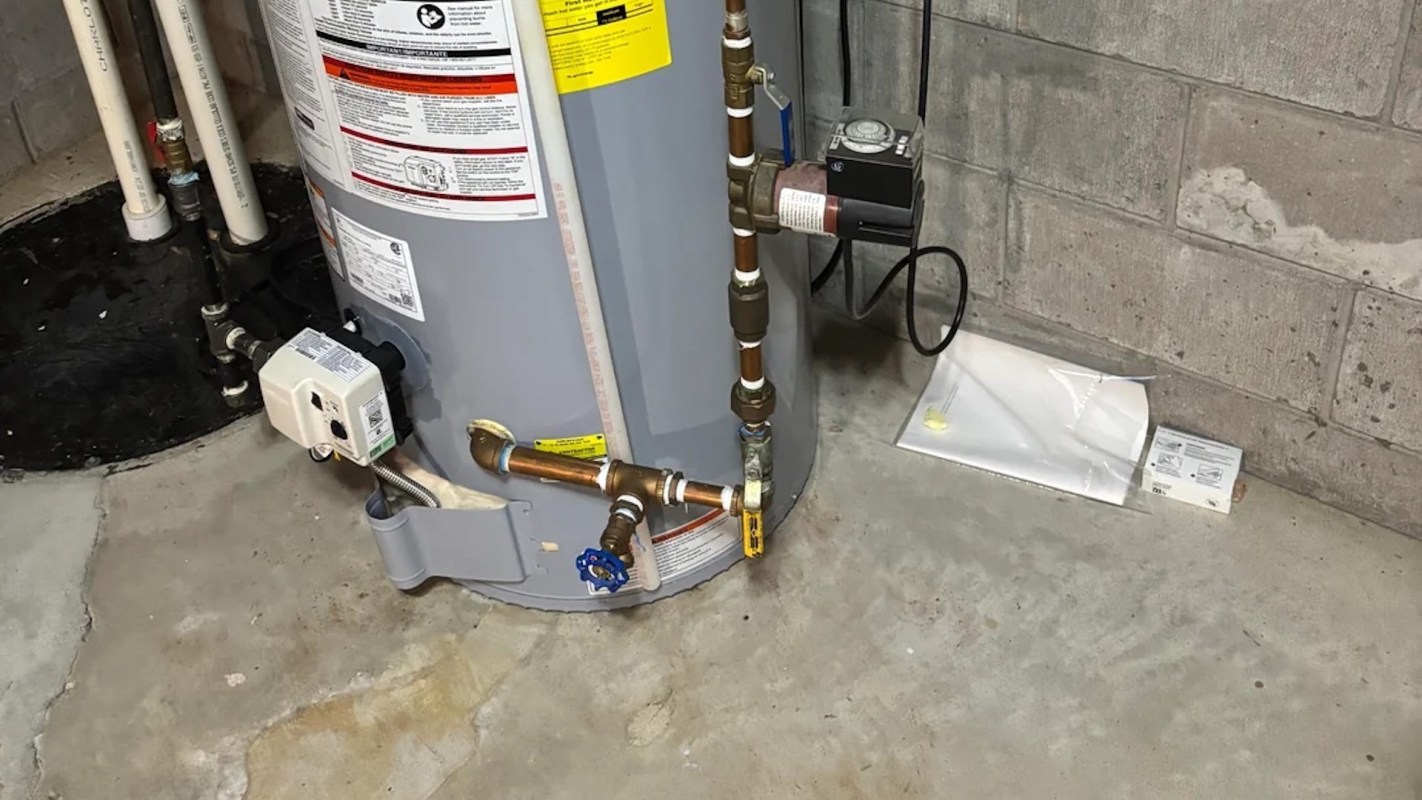
A plug-in device mounted on a water heater prompted a question from a Reddit user who thought it could be tied to a home's well system. People in the comments said it was a hot water recirculation pump.
The distinction matters for homeowners. If a hot water recirculation pump runs nonstop, it could lead to restless nights and higher utility bills.
Here's what to know
In a post on Reddit's r/askaplumber community, the poster described their mother's upper Midwest house, which relies on well water, and said the electric add-on attached to the water heater seems unnecessary for basic operation, saying the heater works even when unplugged.
What drew attention, however, was the constant vibration coming through the house. "It's extremely noisy and sends a constant thrumming sound through the pipes and into the bedrooms," the original poster wrote. "Makes it very hard to sleep unless it's unplugged overnight."
Instead of identifying it as the well pump, commenters said the attachment serves a comfort feature by circulating hot water through the lines. One commenter explained: "Circulator pump. Keeps water in the lines hot/warm so you shouldn't notice a long wait for hot water. Not super energy efficient."
The bigger concern, some noted, is what happens when that kind of pump never shuts off. As one commenter put it, "And accidentally run the thing 24/7 and you're keeping 120 degree pipes in 70 degree space just losing heat all day."
TCD Picks » Quince Spotlight
💡These best-sellers from Quince deliver affordable, sustainable luxury for all




The cost is not limited to the relatively small amount of electricity needed to power the pump. It can also push up water-heating bills by forcing the system to keep reheating pipes as they steadily lose heat to the surrounding air.
More background
The point of these systems is faster hot water at taps and showers. By shortening the wait, they can also reduce the amount of water that goes down the drain before it warms up. Still, that convenience can come with a hidden cost if the system is poorly timed, poorly insulated, or left running around the clock.
For several commenters, the unusual sound suggested wear or buildup rather than normal operation. One commenter said, "Depending on the age it may have a lot of fouling inside adding to the noise," while another added, "Need a new recirculation pump if it's super noisy."
One Redditor with older equipment noted, "My pumps don't make more noise than the exhaust fan."
What can be done?
The easiest fix may be to run the pump only when needed. Rather than letting it operate all day, one commenter recommended scheduling it: "The timer could fire the pump up 5 or 10 minutes before wake up and shower time and then be off the rest of the day."
That kind of setup can preserve the convenience of quicker hot water while cutting electricity use and reducing the cost of heating pipes throughout the day.
Homeowners dealing with an especially loud unit may want it inspected for trapped air or buildup inside the pump. If waiting a little longer for hot water is acceptable, unplugging it at night is also a straightforward workaround.
The original poster appeared relieved by the explanation, writing: "Thanks everyone! I'm just going to turn it off at night. I didn't want to cause a problem or damage the heater but that doesn't seem to be something I need to worry about."
Where can I learn more?
These articles dig into hot water circulation pumps, heat pump water heaters, and home energy financing.
• Homeowners can cut utility costs by using hot water circulation pumps more strategically.
• A hesitant homeowner found heat pump water heaters sparked sharp debate over real savings.
• In Australia, plumbers say heat pump water heaters can transform bills with low maintenance.
• A new partnership lets homeowners install high-efficiency heat pumps without a large upfront payment.

Get TCD's free newsletters for easy tips, smart advice, and a chance to earn $5,000 toward home upgrades. To see more stories like this one, change your Google preferences here.






