


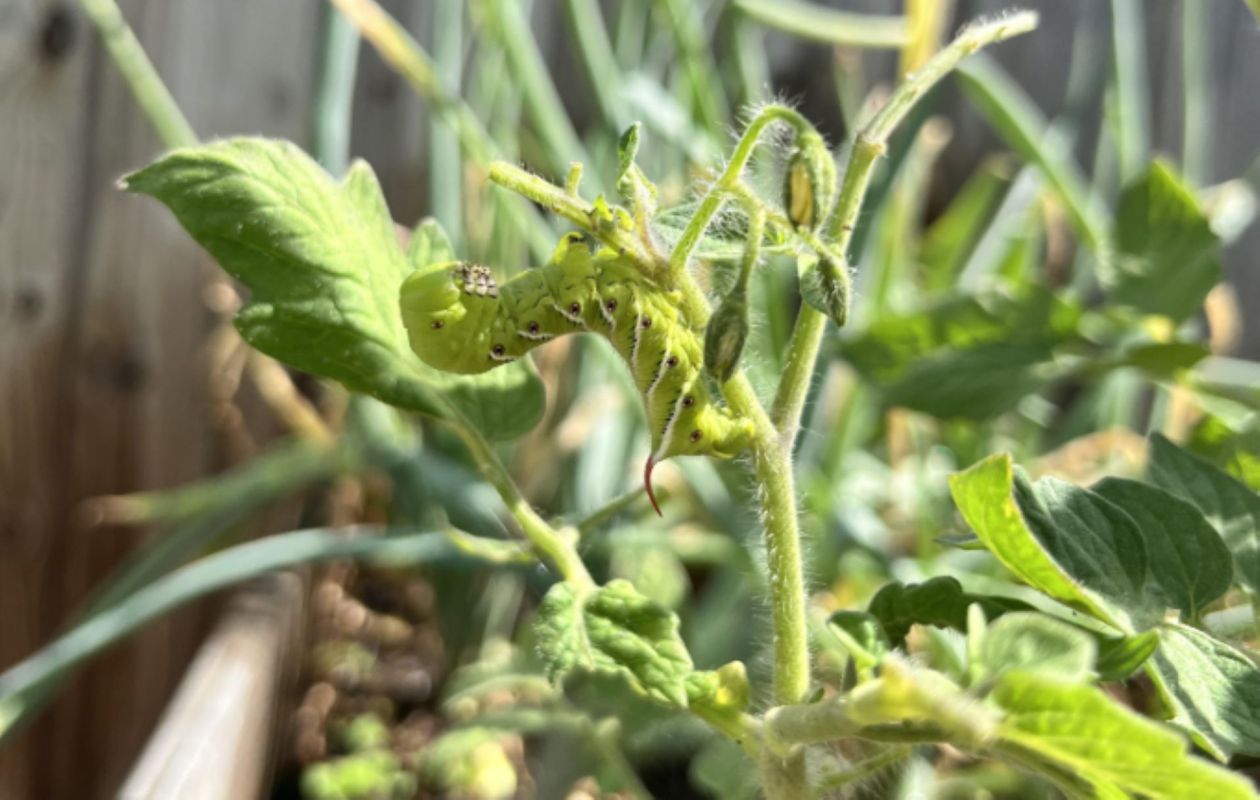
A large caterpillar on a tomato plant was enough to make one gardener stop and look for advice, with their main concern being whether it could be handled safely.
However, users identified the creature as a hornworm, and they issued a stern warning: Get rid of it if you want to keep your tomato plants.
What's happening?
The poster shared a picture of their tomato plant with a large, bright green caterpillar munching away on it.
They asked, "Obviously, I do not want them eating my plants but are they safe to handle or is it venomous?"
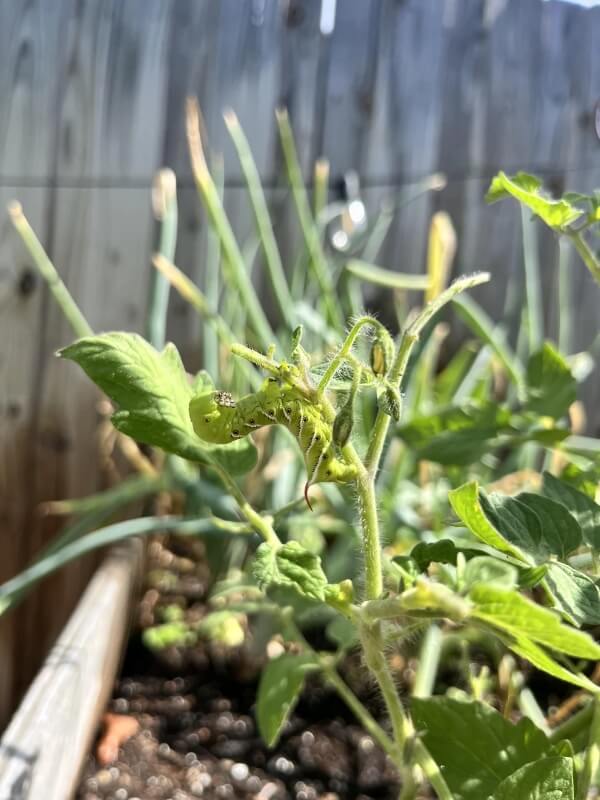
Commenters said hornworms are not venomous and usually are not dangerous to people, although they may squirm, hiss, or occasionally bite if picked up.
Gardeners were much more worried about the damage they would do to the tomato plants, noting that a hornworm can strip a plant very quickly — sometimes in a single night.
TCD Picks » Quince Spotlight
💡These best-sellers from Quince deliver affordable, sustainable luxury for all




"They are tobacco hornworms," one person wrote. "Their preferred snack is tomatoes, but they get their name from eating tobacco from the fields back in the day. They turn into cool moths, but they will decimate your tomatoes."
Another took it even further, replying, "Decimate isn't quite the right word; they will completely annihilate your tomatoes."
Why does it matter?
The conversation highlighted a common gardening tradeoff: protecting food crops while still trying to leave room for native species.
Hornworms can be a serious problem in vegetable patches, but they also grow into large hawkmoths, sometimes called sphinx moths, that plenty of people like seeing around their yards.
For anyone gardening in a small space, that balance can feel especially important, since losing even one tomato plant can mean less produce at home and more money spent at the grocery store.
Natural pest control can also play a role in keeping hornworms in check. One commenter said any hornworm covered in white rice-like cocoons should be left alone, because that means beneficial parasitic wasps are already feasting on it. Birds and other helpful insects may help limit outbreaks, too.
What can I do?
Start by checking tomato plants carefully if you notice hornworms. In a small garden, hand-picking is often the fastest way to deal with them and may help you avoid broader pesticide use.
A more diverse yard can also support natural pest control. Replacing even part of a standard lawn with native plants can cut maintenance time and costs, reduce water bills, and create habitat for pollinators, birds, and beneficial insects that help keep a garden healthier overall.
Some gardeners in the discussion described taking a different approach, including planting sacrificial nightshades or raising hornworms with their children until they became moths. Whether a hornworm has been parasitized can affect how someone chooses to handle it.
Most of the advice centered on acting fast: pick them off by hand, look for them after dark with a blacklight because they glow, and then either take them out of the garden or give them to chickens or other animals.

Get TCD's free newsletters for easy tips, smart advice, and a chance to earn $5,000 toward home upgrades. To see more stories like this one, change your Google preferences here.






