


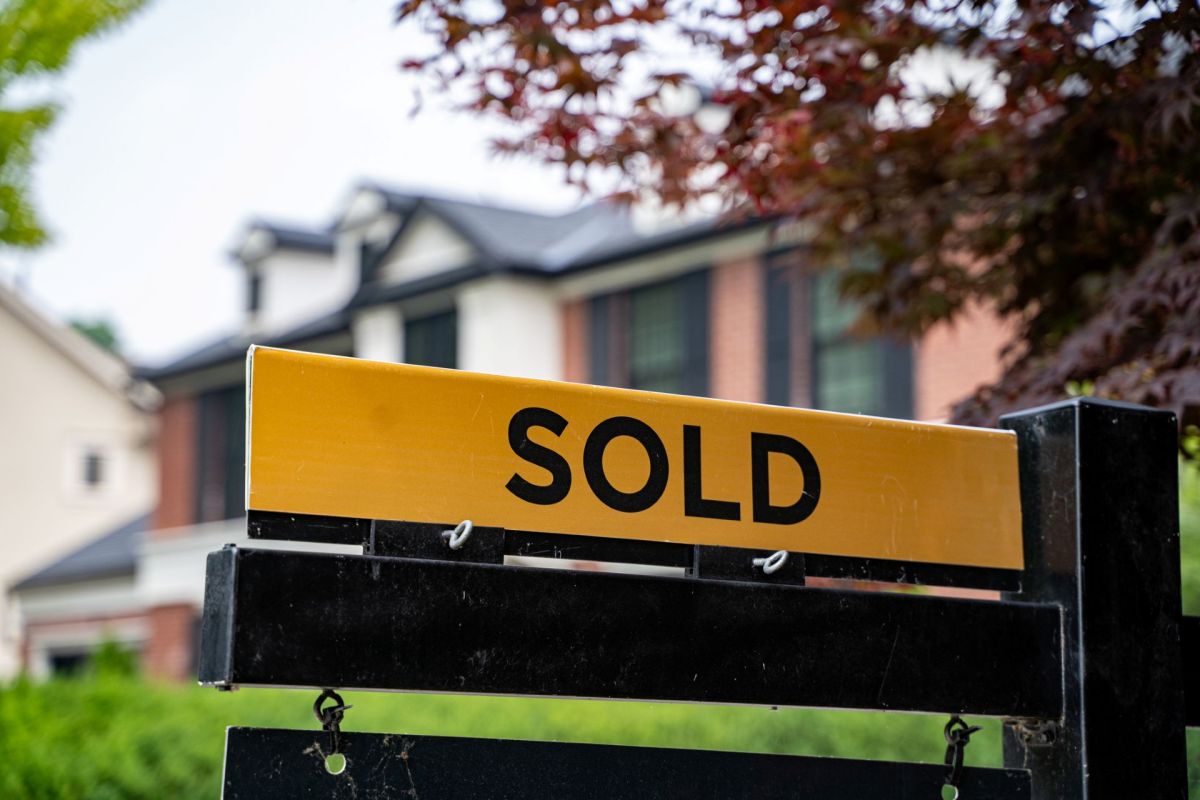
For many homebuyers, the sticker shock does not end with the mortgage.
A new Nationwide survey found that surprise repair bills, insurance costs, and maintenance needs are catching owners off guard after closing.
The findings also suggest that many people are staying put longer than they expected.
Here's what to know
In Nationwide's 2026 homeowners survey, 44% of independent insurance agents said clients are most surprised by how quickly unexpected homeownership costs add up after closing.
Crushed by your bills? See instant solar savings from vetted installers in just a few clicks With energy prices through the roof, there's never been a better time to go solar — and EasyHome can help you find the best prices from the best installers in your area. EasyHome takes the guesswork and headaches out of energy upgrades by showing you estimated savings from a network of vetted local partners. To get started, just enter your ZIP and share a few details about your home — seeing your estimate is really that easy. |

According to a news release, another 36% said buyers are caught off guard by the cost of homeowners insurance, 34% pointed to how often things break or need attention, and 42% said clients struggle to find reliable contractors or service providers. The online survey was conducted in July by Edelman Intelligence.
Homeowners also reported regrets about what they did not ask before buying, like needed repairs or upgrades.
"Buying a home is one of the biggest financial decisions people make, but the purchase price is only part of what that home will ultimately cost," explained Helen Simonett, vice president of personal property lines at Nationwide, in the release.
For homeowners looking for ways to lower long-term utility bills, going solar is one of the best ways to save money on home energy. It can help to use EnergySage to get free solar installation estimates and compare quotes.
More background
The survey found that two in five homeowners said they did not expect their current house to be their long-term home initially, but now think it will be. At the same time, 38% said they would move if market conditions were better, including 52% of urban homeowners and 64% of millennials.
That shift is already changing how people think about their homes. Nationwide found that 64% of homeowners have made or plan to make changes to support living there for the long haul. The most common projects include energy-efficiency or weather-resilience upgrades, better stairway and entryway lighting, and bathroom safety modifications.
What can be done?
The survey points to one clear strategy: catch problems before they become more serious. Only 25% of homeowners said they currently have water leak detectors or automatic shut-off systems, and just 15% have devices that monitor electrical fire hazards.
Insurance agents said those tools could be particularly useful. Water leak detectors ranked first among prevention devices agents think could most reduce costly claims, followed by automatic water shut-off systems.
More From EnergySage
💡Go deep on the latest news and trends shaping the residential solar landscape

"If you're going to stay longer than planned, it becomes even more important to understand what parts of the home may need attention over the next several years and take steps now," Simonett advised in the release.
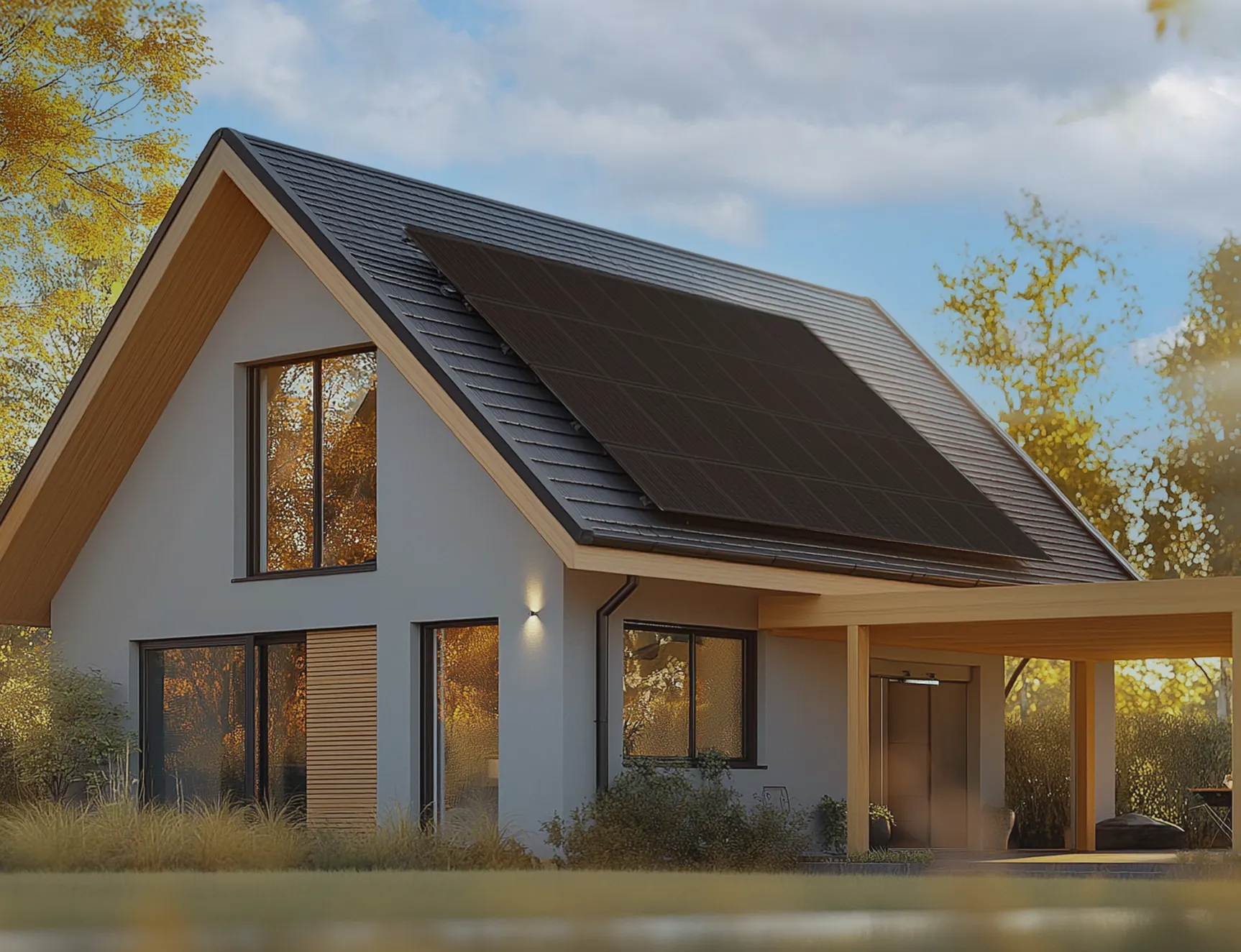
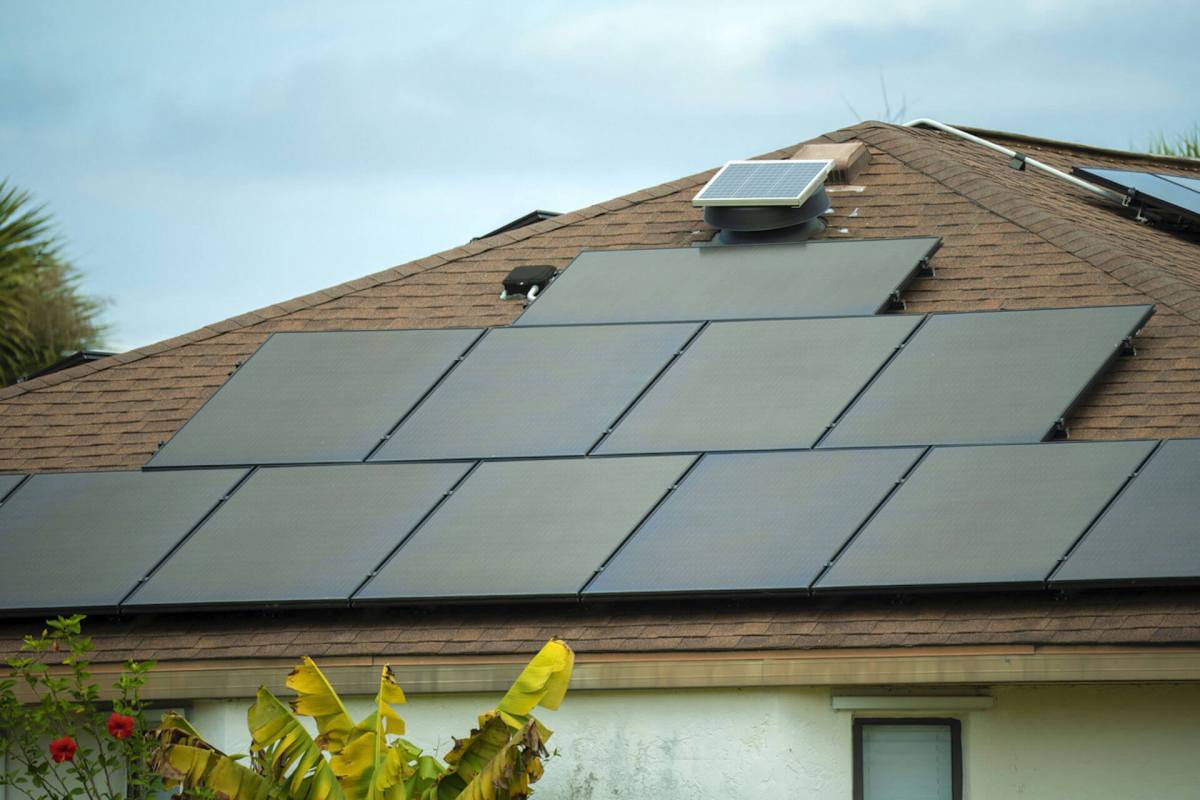
Energy savings can also play a big role in making a home more affordable over time. With EnergySage's help, the average person can save up to $10,000 on solar purchases and installations.
Homeowners can also use EnergySage's solar map, which shows the average cost of a home solar panel system by state and details local solar panel incentives. Those tools can help homeowners get the best price for rooftop solar panels.
Adding battery storage to a solar setup is also one of the best ways to protect your home during outages, save money on energy, and go off-grid. Homeowners interested in those options can explore EnergySage for information about home battery storage and competitive installation estimates.
Where can I learn more?
Homeowners insurance is often one of the biggest post-closing costs buyers can overlook.
• In Colorado, many owners learned their insurance coverage falls short only after disaster losses mounted.
• Across the United States, homeowners insurance rates have soared as climate risks reshape housing affordability.
• In Connecticut, renewal notices brought sticker shock for homeowners as insurance costs climbed sharply.

Get TCD's free newsletters for easy tips, smart advice, and a chance to earn $5,000 toward home upgrades. To see more stories like this one, change your Google preferences here.






