


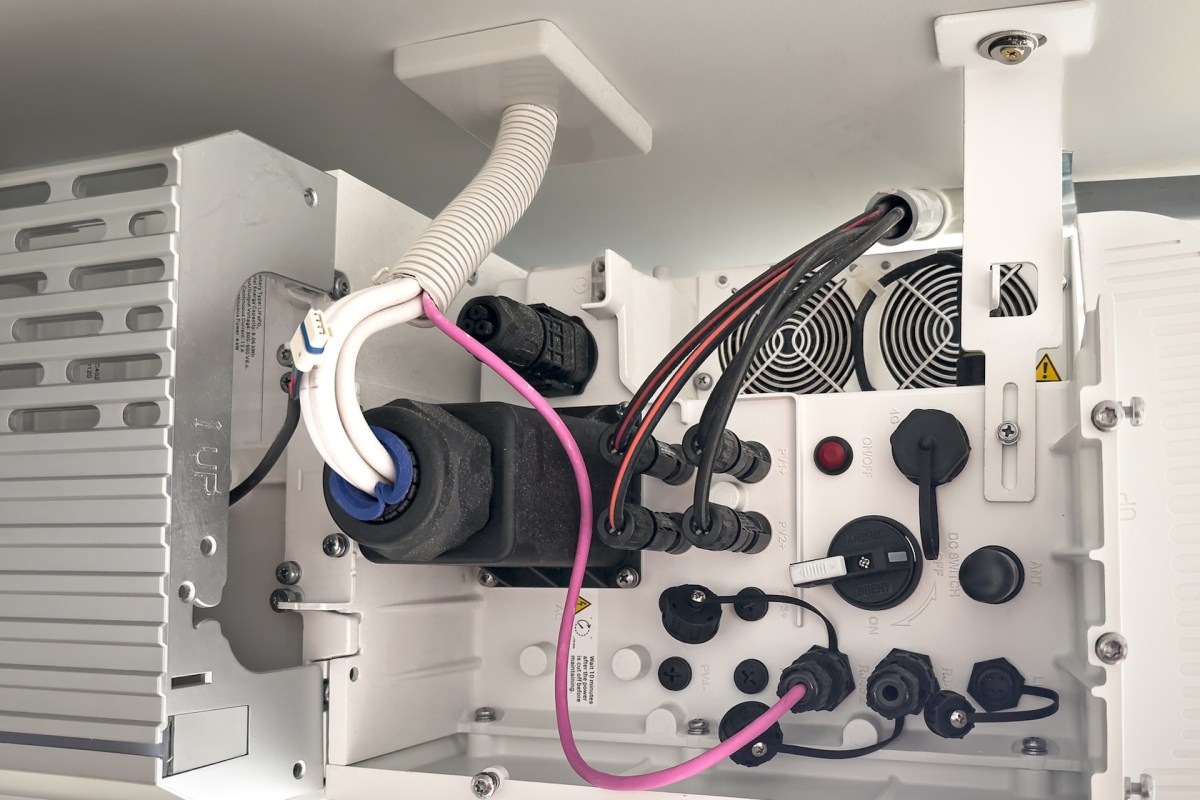
In New Orleans, some homeowners are searching for ways to keep food cold, phones charged, and fans running without relying entirely on gas generators, according to WVUE.
What's happening?
After major storms knock out electricity in New Orleans, some residents are choosing battery backups, including solar-connected systems and portable power banks, instead of traditional generators.
WVUE reported that homeowner Brian Daube, who already had solar panels, later installed battery storage so he would still have access to that power during a blackout.
"The battery makes it so that you can actually use the power that comes from your solar panels," Daube said. "Otherwise, it just sort of goes back to the grid and offsets your bill. But this way, I can actually use the power."
Going solar is actually one of the best ways to save on home energy. EnergySage's free tools provide quick solar estimates and comparable quotes.
WVUE also pointed to portable battery systems as a backup option. One homeowner identified as Skaer said these systems can handle many of the shorter outages residents encounter most often.
"For what we deal with most of the time, it's 48 hours, 36 hours, and I think this stuff is perfect for it," Skaer said.
Why does it matter?
Backup power can keep medicine refrigerated, maintain airflow during extreme heat, and keep households connected while neighborhoods are still clearing debris and waiting for utility crews.
Save $10,000 on solar panels without even sharing your phone number Want to go solar but not sure who to trust? EnergySage has your back with free and transparent quotes from fully vetted providers that can help you save as much as $10k on installation. To get started, just answer a few questions about your home — no phone number required. Within a day or two, EnergySage will email you the best local options for your needs, and their expert advisers can help you compare quotes and pick a winner. |

Compared with fuel-powered generators, battery systems can be easier to use during an outage. They run more quietly, don't give off fumes or need oil changes, and don't require households to store gasoline ahead of a storm. They are also simpler to manage.
Prices are still a barrier, but homeowners have more options than before. Smaller battery packs can start at around $100 for basic charging needs. Larger systems capable of powering appliances or parts of a home can cost thousands.
What can I do?
Homeowners can check the wattage of the devices they want to run like refrigerators, fans, or phones. They can then match that demand to a battery system that fits their budget and the expected length of an outage.
For homeowners with solar panels, adding a battery can make that electricity available during a blackout instead of leaving it inaccessible when the grid goes down.
More From EnergySage
💡Go deep on the latest news and trends shaping the residential solar landscape
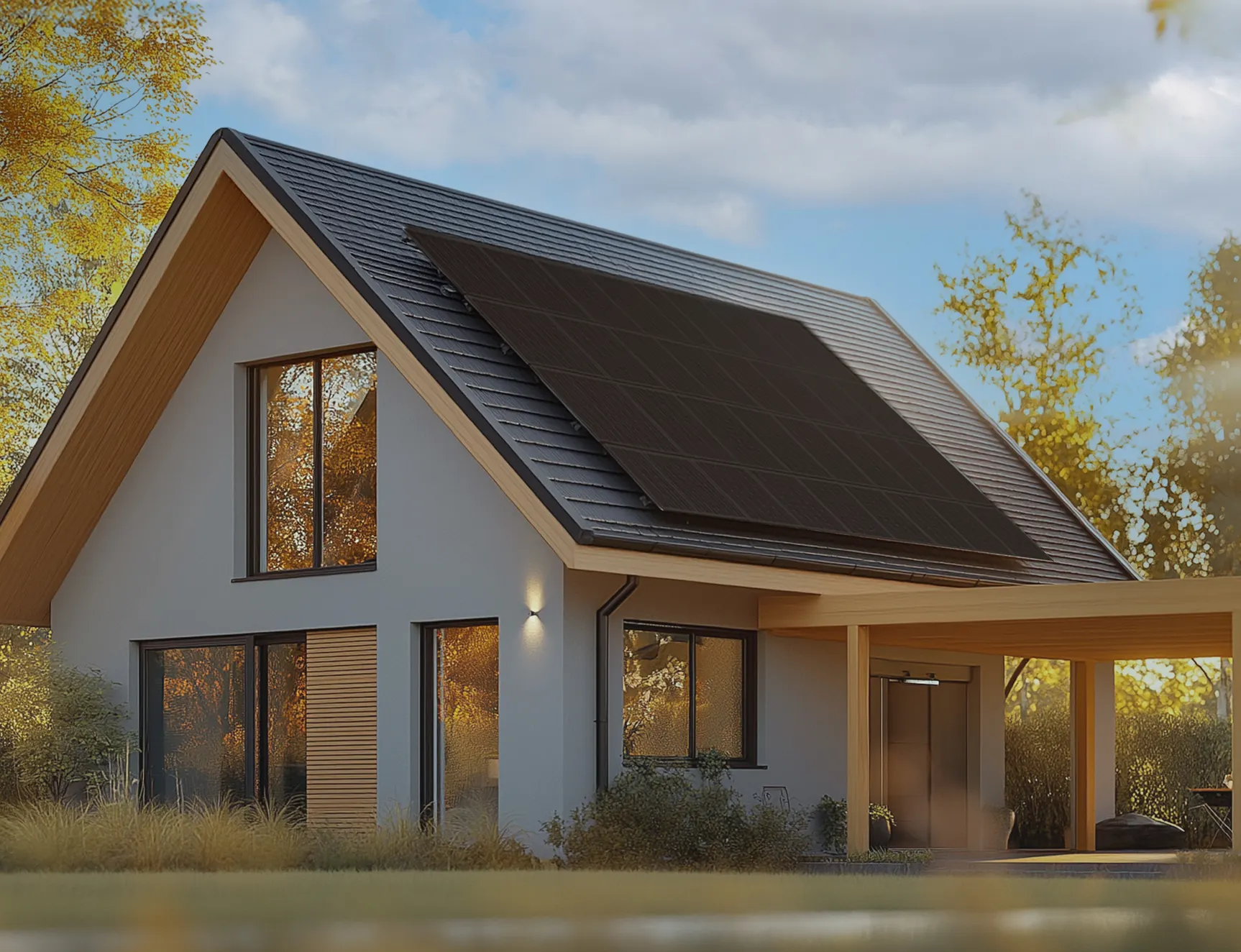
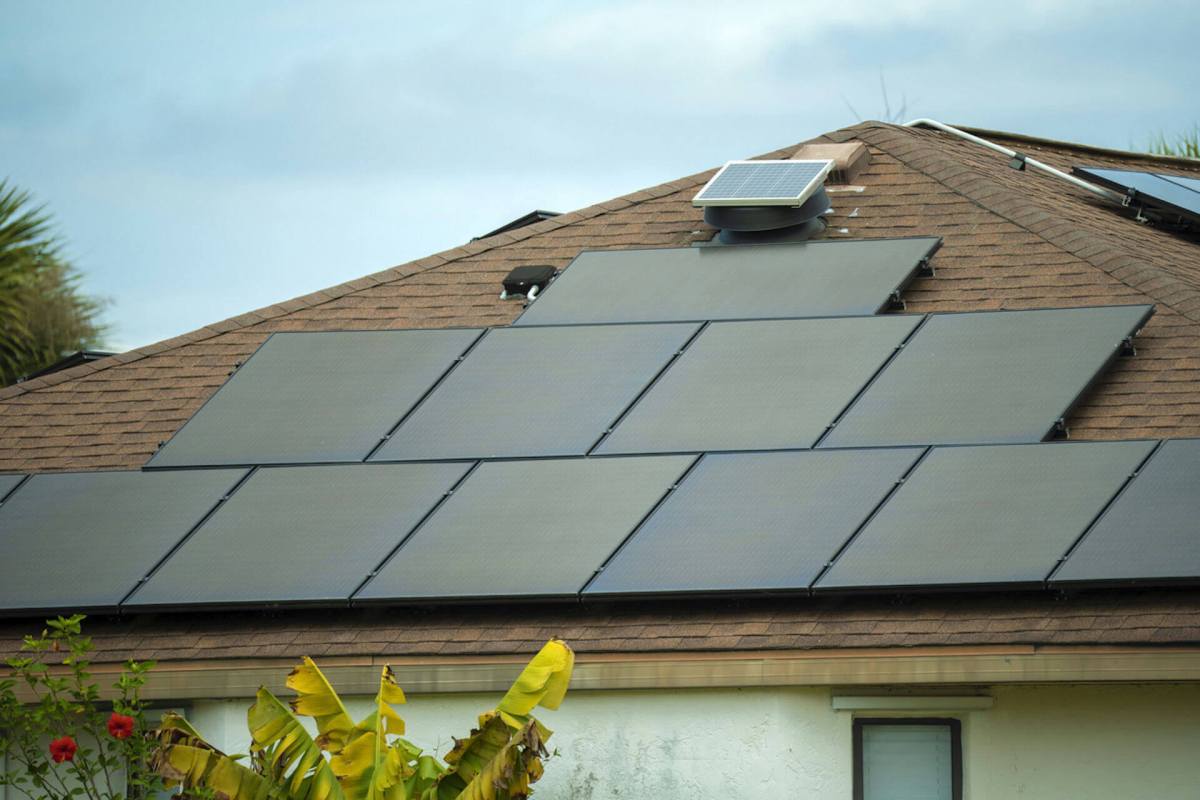
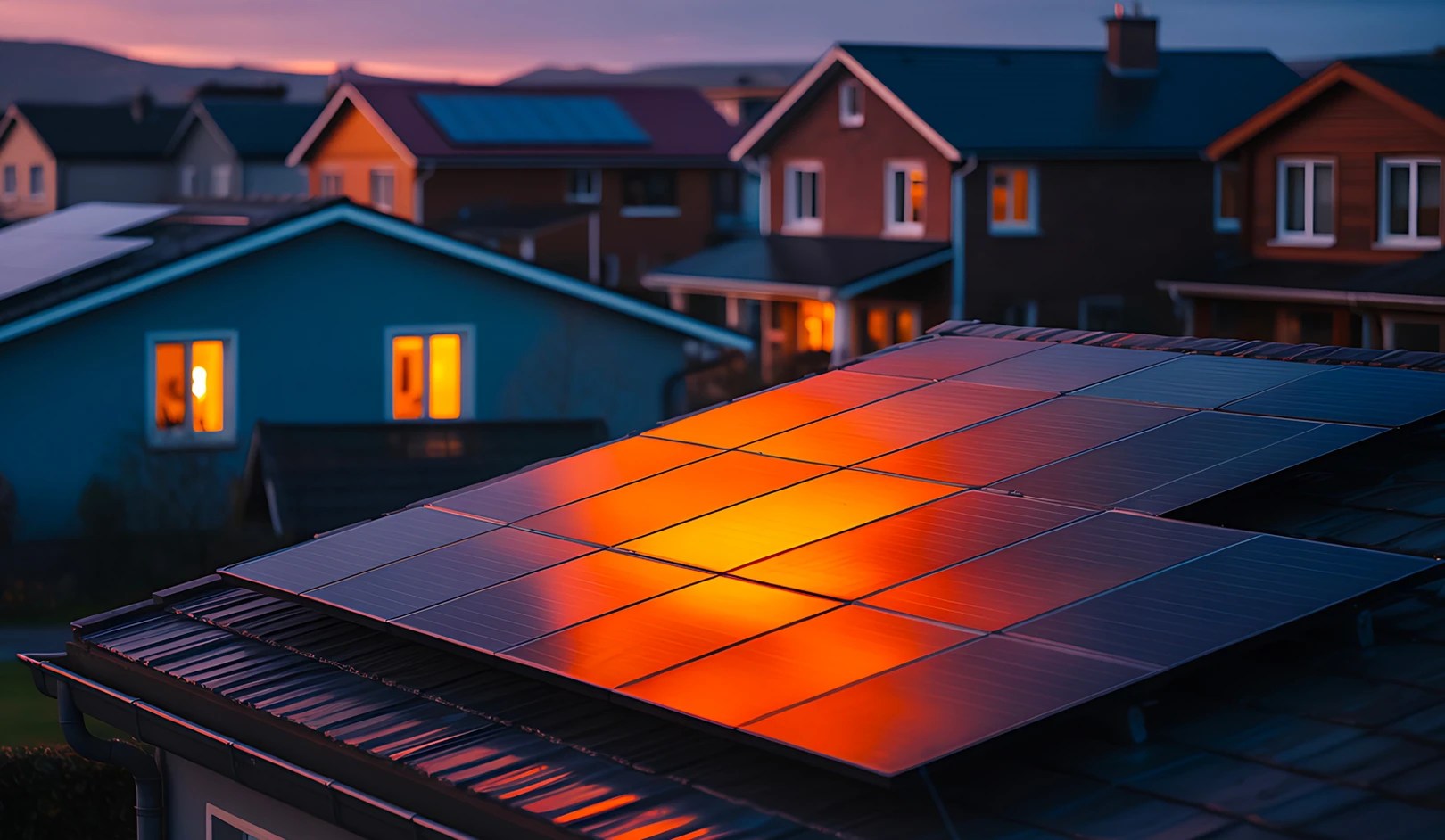

If you're interested going solar, EnergySage saves the average homeowner up to $10,000 on installations; its free mapping tool can help you uncover incentives available in your area.
EnergySage also provides information about home battery storage solutions, including competitive installation estimates, so you can protect your home from outages and potentially go off-grid.
Daube said to WVUE, "You don't have to worry about the cost of running a generator while it's running."
Skaer said of battery backups, "Just plug it in and you've got instant power."

Get TCD's free newsletters for easy tips, smart advice, and a chance to earn $5,000 toward home upgrades. To see more stories like this one, change your Google preferences here.






