


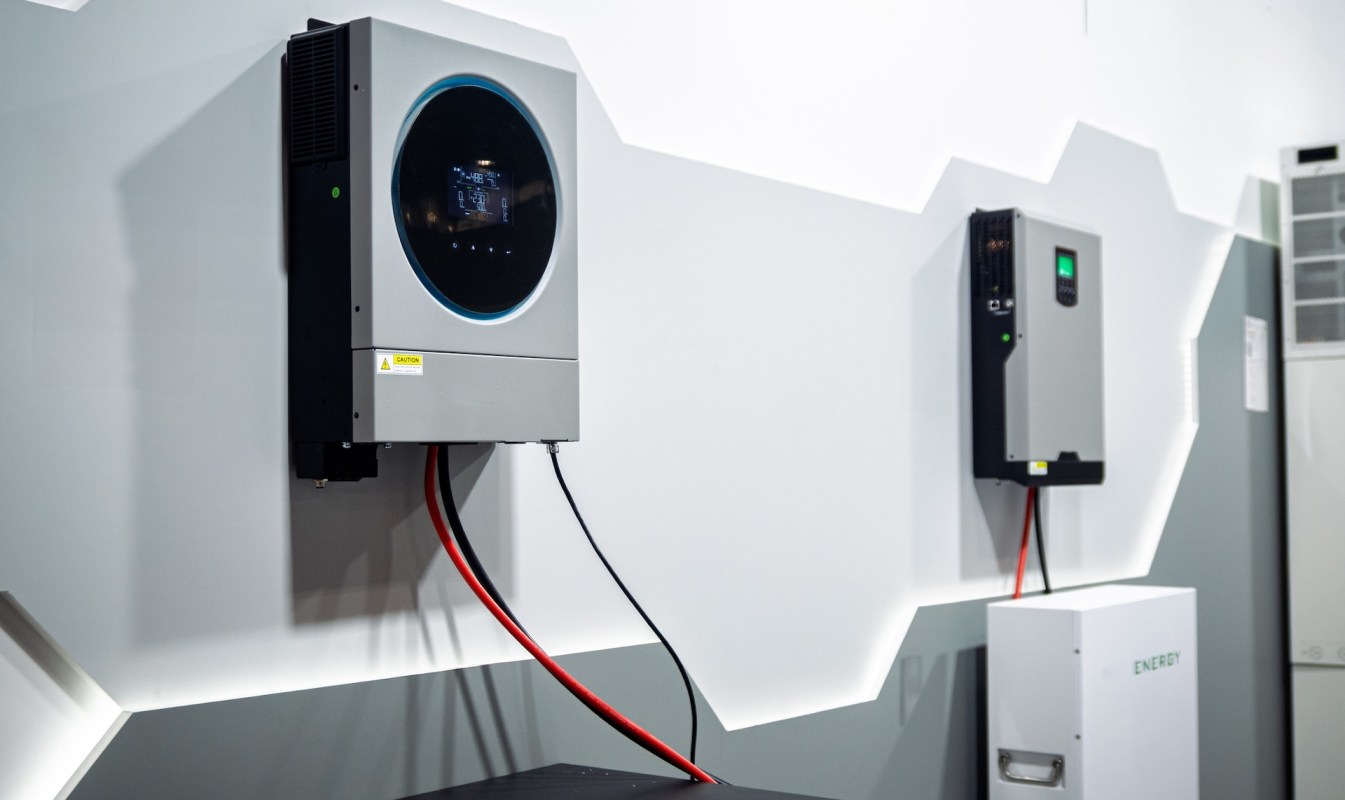
For homeowners interested in energy independence, one question comes up again and again. They want to know if a home can use the electric grid only as a backup charger for a whole-house battery, rather than having the grid feed the house directly.
The answer matters because that kind of setup could offer more control over energy bills, stronger outage protection, and a simpler way to rely on stored solar power first.
Here's what to know
That exact question surfaced in a Reddit thread on the r/solar subreddit.
The original poster asked: "Is it possible to have your only connection to the grid as a backup that charges a whole house battery if it gets too low? In other words, no direct connection to the main panel for your house other than through the battery?"
Across the replies, the general answer was that this kind of arrangement is possible, although the exact hardware and system layout matter.
One commenter told the original poster, "Not a weird question at all. We do this all the time and a lot of inverters are set up to do this kind of thing."
TCD Picks » Quince Spotlight
💡These best-sellers from Quince deliver affordable, sustainable luxury for all




A lot of the discussion focused on the inverter, since in some systems it handles both conversion and power routing.
"On my system the grid, batteries, house, and panels all connect to the inverter," a commenter shared. "It not only converts DC to AC but it's also the controller for the entire system, sending power where it needs to go depending on how I program it."
More background
Many homeowners want to use less grid power in normal conditions while still having electricity available when outages happen. One commenter described using their system that way, while also explaining why they do not currently prioritize it.
"I can set it to prioritize using the power my panels generate and only draw from the grid when the batteries get low," they added. "But we have 1:1 net metering here so there's no point to that. I keep the batteries charged for power outages."
Hybrid inverter equipment came up repeatedly as well.
One commenter wrote: "Yes. With a hybrid inverter like Sol-Ark. And while on grid, it can just pass the AC right through."
At the same time, commenters noted that this is not necessarily identical to a typical hybrid solar setup. One reply said that "what the OP is asking about is basically off-grid with grid backup," while another warned that "most hybrid inverters cannot do this exactly, or at least it's not the way they are designed."
What can be done?
What works best depends on the objective, whether that means smoother backup power, lower day-to-day grid use, or something closer to an off-grid system with the grid kept in reserve.
One commenter described a more manual mobile-home setup.
"I have the inverters set to start charging them at 20% SOC and stop at 30%," they wrote. "Just enough to make it until the sun comes up. If it is cloudy they will just do it again."
The same commenter said those settings can be changed ahead of severe weather.
"Just before Helene hit two years ago I set the charge at 80% to 90% so the batteries would be as fully charged as possible," they said. "Power to my area was out for a week but I was fine."
Where can I learn more?
Solar-and-battery setups can keep power flowing and cut day-to-day reliance on the grid.
• In Australia, a homeowner said a 20kW solar setup made blackouts invisible and earned credits.
• Across the U.S., only 20 states still keep the net metering rule boosting battery payback.
• For many households, panels and batteries now buy energy security as savings become less certain.

Get TCD's free newsletters for easy tips, smart advice, and a chance to earn $5,000 toward home upgrades. To see more stories like this one, change your Google preferences here.






