


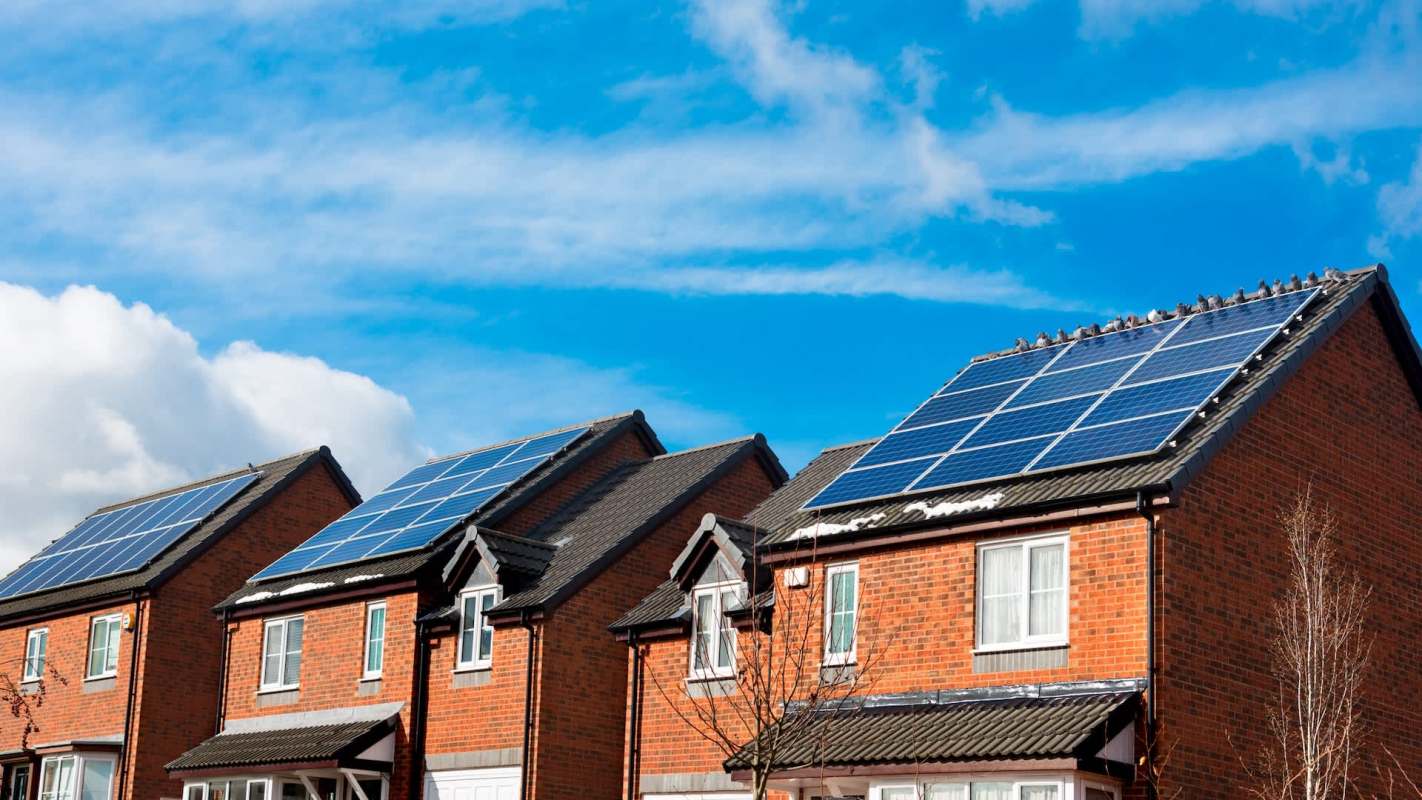
As energy bills remain volatile in the U.K., more homeowners are looking beyond traditional utility service and building energy systems around their own roofs, driveways, and daily habits.
A growing number are treating solar as just one part of a broader home setup, adding batteries and electric vehicle chargers so they can meet more of their electricity needs themselves instead of relying as heavily on the grid.
What's happening?
According to the Stratford Herald, more people in Stratford-upon-Avon and across Warwickshire are choosing combined renewable energy systems that bring together solar panels, battery storage, and EV charging.
Put simply, the panels produce electricity during the day, a battery can hold surplus power for later use, and an EV charger allows that self-generated energy to charge a car at home.
As a result, households can use a larger share of the electricity they generate themselves and reduce how much power they need to buy from the grid in the evening.
Stratford Energy Solutions, a Stratford-upon-Avon-based renewable energy company, says it has been designing systems for homes and businesses for more than 15 years and has carried out over 4,000 installations in the region.
TCD Picks » Quince Spotlight
💡These best-sellers from Quince deliver affordable, sustainable luxury for all




The company says demand is rising as more people look for systems tailored to how they actually use energy, rather than standard packages.
The trend is also spreading beyond homes. Businesses in fields including manufacturing, education, logistics, agriculture, and commercial property are adopting similar solar, battery, and EV setups to control expenses and improve energy resilience.
Why does it matter?
For many households, the biggest benefit is practical: more control over monthly energy expenses.
When a home can generate and store its own electricity, it becomes less exposed to grid price swings, especially as more households add electric cars, electric heating, and cooling systems.
The shift also helps correct a common misconception that solar only works in bright sunshine. Modern solar panels generate electricity from daylight, not just direct sun, which means they can still perform in the U.K.'s often cloudy weather.
While output is higher on sunny days, overcast conditions do not render the technology useless.
There are environmental benefits, too. Using more renewable electricity at home can reduce dependence on fossil-fuel-generated power and support cleaner transportation when EVs are charged with solar energy.
For many households, that means a single investment can affect several parts of daily life, including commuting, heating, and routine electricity use.
What can I do?
If you're considering solar, understanding your home's real energy habits is a useful first step. That includes when you use the most electricity, whether you already own or plan to buy an EV, and whether a battery would help you shift usage away from peak-rate periods.
For people who want to compare options before speaking with installers, EnergySage is another option.
The most effective setup may vary from one property to another.
Stratford Energy Solutions says it provides free, no-obligation consultations to review energy use and suggest a system aimed at savings and greater energy independence.
Even if a full system is not realistic right away, learning how solar, batteries, and EV charging work together can help you plan future upgrades in a smarter, more cost-effective order.
As more homes electrify, the appeal goes beyond cutting one bill.
As Stratford Energy Solutions put it, "This shift isn't simply about reducing electricity bills — it's about giving homeowners greater control over how and when they use energy."

Get TCD's free newsletters for easy tips, smart advice, and a chance to earn $5,000 toward home upgrades. To see more stories like this one, change your Google preferences here.






